Category: Blog

Your blog category

  • Why Does Power Keep Tripping at Home?

    Why Does Power Keep Tripping at Home?

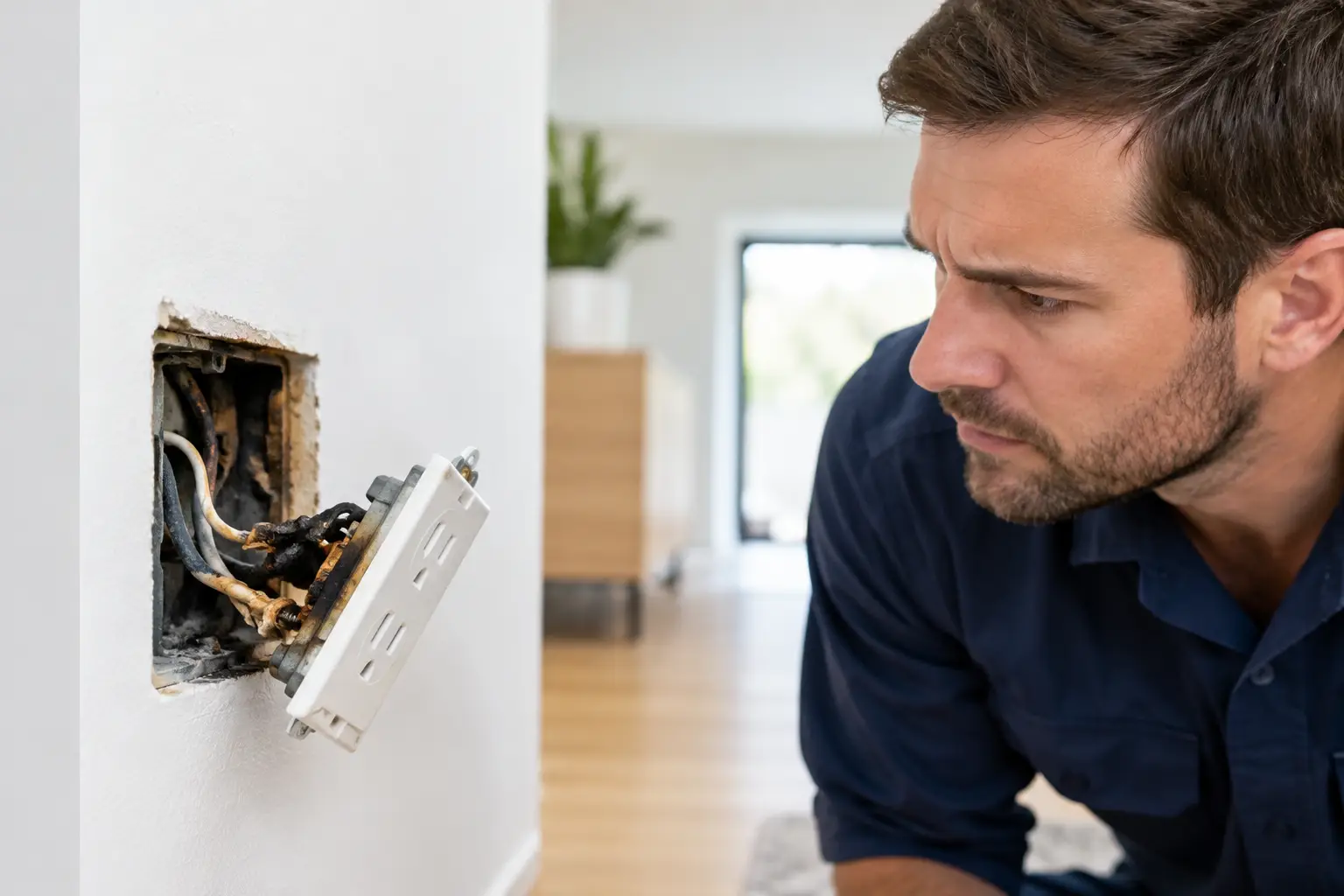
    You plug in the kettle, the lights flick off, and suddenly half the house is out. If you’re asking why does power keep tripping, you’re usually dealing with one of two things – an overloaded circuit or an electrical fault that needs proper attention. Either way, repeated tripping is your system doing its job by cutting power before a bigger safety issue develops.

    A trip is not something to ignore or work around. Resetting the switch once may be harmless if a one-off overload caused it. But if the same circuit keeps dropping out, or the safety switch won’t stay on, the problem needs to be identified properly. For homeowners, property managers and business operators, the priority is simple: keep people safe, protect appliances and get the power stable again.

    Why does power keep tripping in the first place?

    Your switchboard is designed to shut power off when something is wrong. Different protective devices respond to different problems, so the reason your power keeps tripping depends on which switch has gone down.

    A circuit breaker usually trips when a circuit is overloaded or when there is a short circuit. A safety switch, also called an RCD, trips when it detects current leaking somewhere it should not. That leakage can happen through a faulty appliance, damaged wiring, moisture, or a more serious installation issue.

    This is why tripping can feel random from the outside. You might notice it when the toaster is on, when the air conditioner starts up, or after rain. The trigger is often the moment the fault becomes large enough for the protective device to react.

    The most common causes of repeated power trips

    Overloaded circuits

    This is one of the most common reasons in older homes and busy commercial spaces. Too many high-draw appliances running on the same circuit can push it beyond its limit. Kettles, microwaves, portable heaters, dryers and EV chargers can all place a significant load on a circuit, especially if the wiring or switchboard was not designed for modern demand.

    The fix is not always as simple as using fewer appliances. If overloading happens regularly, the property may need circuit redistribution, dedicated circuits for heavy loads, or a switchboard upgrade.

    Faulty appliances

    Sometimes the issue is not the house wiring at all. A damaged toaster, washing machine, dishwasher, fridge or power board can cause a breaker or safety switch to trip. Appliances with heating elements are common culprits, as are older units with worn insulation or internal moisture.

    If the power trips only when one appliance is used, that is a strong clue. It does not guarantee the appliance is the only problem, but it points to where testing should start.

    Short circuits and damaged wiring

    A short circuit happens when active and neutral conductors come into direct contact, often because insulation has failed or wiring has been physically damaged. This can create a sudden surge of current and trip the breaker immediately.

    In homes, damaged wiring may be hidden in walls, ceilings or outdoor runs. In commercial settings, wear and tear, past modifications and equipment movement can all contribute. This is not a DIY situation. Hidden cable faults need professional testing and safe repair.

    Earth leakage and safety switch faults

    If your safety switch keeps tripping, current is leaking to earth somewhere in the circuit. That could be from a faulty appliance, moisture in an outdoor fitting, water around a hot water system, or deterioration in fixed wiring.

    Safety switch trips are doing exactly what they are meant to do – reducing the risk of electric shock. If the switch will not reset, or trips again straight away, leave the affected circuit off and arrange for a licensed electrician to investigate.

    Moisture and weather exposure

    Outdoor power points, garden lighting, pool equipment and external junctions can all be affected by rain, condensation and water ingress. Even in covered areas, damaged seals or ageing fittings can allow enough moisture in to create a fault.

    This is especially common after heavy rain or in coastal areas where salt and moisture speed up corrosion. If the tripping starts during wet weather, external electrical components should be high on the inspection list.

    Old or undersized switchboards

    An outdated switchboard may not handle the way modern properties use power. Renovations, added air conditioning, induction cooking, home offices and EV charging all increase demand. If the switchboard is old, crowded or lacking the right protection, nuisance tripping and genuine faults become more likely.

    Upgrading a switchboard does not just improve convenience. It can improve safety, support current standards and make room for future electrical needs.

    What you can safely check before calling an electrician

    There are a few sensible checks you can make without taking risks. Start by looking at the switchboard and identifying which breaker or safety switch has tripped. If it is labelled, that may tell you which area or appliances are involved.

    Next, unplug portable appliances on that affected circuit. If a safety switch has tripped, disconnecting items one by one can help rule out a faulty appliance. Once everything is unplugged, try resetting the switch. If it holds, plug items back in one at a time until the fault reappears.

    You should also think about timing. Did the power trip when several appliances were running together? Did it happen after rain? Does it affect one room, one section of the property, or the whole site? These details help narrow the cause quickly.

    What you should not do is keep forcing a switch back on, use damaged extension leads, or open up fittings and panels yourself. If the breaker will not reset, trips immediately, or there is any sign of burning, buzzing or heat, leave it off.

    Signs the problem is more serious

    Some tripping issues are straightforward. Others point to faults that should be treated urgently.

    If you notice a burning smell, discoloured power points, crackling sounds, flickering lights before the trip, or shocks and tingles from appliances or taps, stop using that circuit. The same applies if the switchboard feels hot or if the power is dropping out more frequently over time.

    For landlords and property managers, repeated electrical faults should never be treated as a minor tenant inconvenience. A recurring trip can indicate deteriorated wiring, overloaded circuits or unsafe appliances that expose the property to risk.

    For business operators, intermittent electrical faults can also affect equipment reliability, security systems, lighting and day-to-day operations. A quick reset may get things moving again, but it does not solve the underlying issue.

    Why does power keep tripping after you reset it?

    If the power comes back briefly and then trips again, the fault is still present. In many cases, a connected appliance starts drawing current as soon as it cycles back on and the protective device reacts again. In other cases, the wiring fault is permanent, so the trip happens immediately each time you reset.

    That repeat pattern matters. A one-off overload might not return once the appliance load is reduced. Ongoing tripping usually means testing is needed to locate the exact cause instead of guessing.

    Electricians use fault-finding methods and test equipment to isolate the circuit, check insulation resistance, inspect outlets and fittings, and confirm whether the problem lies in the switchboard, fixed wiring or connected equipment. That is how you get from temporary reset to lasting repair.

    When to call a licensed electrician

    Call a licensed electrician if the same breaker or safety switch trips more than once, if you cannot identify a clear appliance-related cause, or if the switch will not reset at all. You should also book an inspection if the property has an older switchboard, recent renovation work, storm exposure, or increased electrical demand from new appliances or an EV charger.

    A proper inspection can save time and money because it deals with the root cause. Depending on the fault, the solution may be as simple as replacing a damaged outlet or faulty fitting. In other cases, the right answer is a circuit upgrade, rewiring work or a switchboard replacement.

    At Voltricity, this is exactly the kind of problem we help clients solve – quickly, safely and with clear advice about what is actually needed.

    The right fix depends on the cause

    There is no single answer to why power keeps tripping because not every trip means the same thing. Sometimes the problem is an overloaded kitchen circuit. Sometimes it is a deteriorated outdoor fitting taking on water. Sometimes it is an older board struggling to keep up with a property’s current load.

    What matters is treating repeated tripping as a warning sign, not an annoyance. Your electrical system is telling you something has changed, and the safest path is to find out what that is before it turns into damage, downtime or a serious hazard.

    If your power keeps tripping, trust what the switchboard is telling you. A safe, reliable electrical system should stay on without guesswork, and when it does not, getting it checked properly is the smartest next step.

  • Switchboard Safety Guide for Homes and Businesses

    Switchboard Safety Guide for Homes and Businesses

    A switchboard usually gets ignored until something trips, flickers or stops working. That is often the first sign there is a bigger issue behind the panel. This switchboard safety guide is designed to help homeowners, property managers and business operators understand what a safe switchboard looks like, what warning signs should never be brushed off, and when it is time to bring in a licensed electrician.

    Why switchboard safety matters

    Your switchboard is the control point for the electrical circuits across your property. It manages how power is distributed and, just as importantly, how faults are isolated. When it is modern, correctly labelled and fitted with proper safety devices, it helps protect people, appliances and the building itself.

    When it is outdated or overloaded, the risks change quickly. A fault that should have been cut off in seconds can linger. Wiring can overheat. Circuits can trip repeatedly. In serious cases, an old or damaged switchboard can become a fire hazard.

    For homes, this often shows up after a renovation, a new air conditioner, an induction cooktop or an EV charger installation. For businesses, it may happen as equipment loads increase over time or when a tenancy changes use. The common thread is simple – the switchboard that worked years ago may no longer suit the way the property runs today.

    What a safe switchboard should include

    A safe switchboard is not just a box with switches inside it. It should be suited to the property, installed to current standards and easy to inspect and operate.

    Most modern switchboards include circuit breakers rather than old ceramic fuses. They should also include safety switches, often called RCDs, which are designed to cut power rapidly if they detect an electrical fault that could cause shock. Clear labelling matters too. In an emergency, you should be able to identify which circuit controls lighting, power, appliances or tenancy areas without guessing.

    Physical condition is just as important. The enclosure should be secure, with no exposed internal parts, no signs of corrosion and no gaps that allow dust, moisture or pests inside. Access should be clear, especially in commercial settings where fast isolation may be needed.

    Switchboard safety guide: warning signs to watch for

    Some switchboard problems are obvious. Others build slowly and are easy to miss until they become urgent.

    If your power trips often, do not assume it is just a nuisance. Repeated tripping is a sign that the board is doing its job in response to a fault, overloaded circuit or appliance issue. The cause needs to be identified rather than worked around.

    Buzzing sounds, a burning smell, heat around the panel or discolouration near breakers are more serious warning signs. These can point to loose connections, damaged components or overheating. If you notice any of these, treat it as a safety issue.

    Flickering lights can also relate to switchboard faults, particularly when they happen across multiple areas rather than in one fitting. The same applies to appliances that lose power unexpectedly or circuits that seem to struggle when several items are running at once.

    Older fuse boards deserve special attention. Many older properties still have legacy switchboards that were not built for current demand and may not include the level of protection now expected. They can continue to operate for years, but that does not mean they are safe enough for modern use.

    Common causes of switchboard problems

    Overloading is one of the biggest issues we see. A property that once had modest electrical demand may now be running split systems, entertainment setups, office equipment, commercial refrigeration, security systems and EV charging from the same original board. Even if each addition made sense at the time, the combined load can push an old switchboard beyond what it was designed to handle.

    Age also matters. Components wear out. Connections loosen over time due to heat cycling. Moisture, dust and pests can damage internal parts, especially in outdoor or semi-exposed installations.

    Then there is workmanship. Not every past installation or alteration has been done to the standard it should have been. Mixed generations of protective devices, poor circuit identification and crowded board layouts can all create safety and maintenance problems later on.

    Homes vs businesses: the risks are a bit different

    The core safety principles are the same, but the way switchboard issues affect a home is different from the way they affect a business.

    In a home, the focus is usually personal safety, appliance protection and making sure the electrical system can support modern living. Families are often concerned about children, ageing wiring, electric hot water systems, pool equipment or a planned renovation. If the switchboard is not up to scratch, those upgrades can be delayed or installed without the level of protection they should have.

    In a business, downtime and compliance can become just as important as direct safety risk. A switchboard fault can interrupt trade, affect staff, damage equipment and cause headaches for tenants or customers. In some workplaces, there is also a higher duty to maintain a safe environment and document electrical maintenance properly.

    That is why there is no one-size-fits-all answer. A small retail tenancy, a warehouse and a family home each place different demands on their switchboards.

    When a switchboard upgrade makes sense

    A switchboard upgrade is not only for properties that have already failed. In many cases, it is the sensible next step when the existing board is outdated, undersized or unable to support planned electrical work.

    If you are adding major appliances, renovating, installing air conditioning, upgrading kitchen equipment or preparing for an EV charger, it is worth checking whether the switchboard can handle the extra demand safely. The same applies if your board still uses rewireable fuses or does not have adequate safety switch protection.

    An upgrade can improve reliability as well as safety. It can reduce nuisance tripping, make fault finding easier and give you clearer control over how circuits are managed. For landlords and property managers, it can also reduce the chance of recurring maintenance call-outs tied to an ageing electrical setup.

    What not to do

    A practical switchboard safety guide has to be clear about this point – switchboards are not a DIY job. Opening, modifying or attempting to repair a switchboard without the right licence is dangerous and unlawful.

    Even simple-looking issues can involve live parts, hidden faults or damaged connections that are not visible from the front. Resetting a tripped breaker once may be reasonable if you know which appliance caused the issue, but repeated resets without investigating the cause are not a fix.

    It is also a mistake to ignore small warning signs because the power has come back on. Electrical problems often escalate before they fail completely.

    How to stay on top of switchboard safety

    The best approach is preventative. If your property is older, if the board has not been inspected in years, or if your power needs have changed, book an electrical inspection before there is a fault. This is especially worthwhile before purchasing a property, signing a new commercial lease or starting renovation works.

    Keep the area around the switchboard accessible and dry. Make sure circuits are labelled clearly. Test safety switches in line with the manufacturer guidance or the advice of your electrician. If labels are faded, breakers are unidentified or the enclosure is damaged, have it assessed.

    For businesses and managed properties, regular maintenance is usually the smarter option than waiting for an emergency. It helps you plan repairs and upgrades rather than dealing with outages at the worst possible time.

    Choosing the right electrician for switchboard work

    Switchboard work should be carried out by a licensed electrician with experience in fault finding, upgrades and compliance requirements. Fast response matters, but so does clear advice. You want someone who can explain whether the issue is a simple component fault, an overloaded circuit, or a sign that the whole board needs to be upgraded.

    A good electrician will also look beyond the switchboard itself. Sometimes the problem starts with a faulty appliance, damaged wiring or an added load elsewhere on the property. That broader view is what leads to a proper fix, not just a temporary reset.

    At Voltricity, that is how we approach switchboard safety – practical advice, quality workmanship and solutions that suit the way your property is actually used.

    If your switchboard is showing warning signs, or you are planning upgrades that will add electrical demand, it is worth acting early. A safer switchboard does more than keep the lights on. It gives you confidence that the property is protected where it matters most.

  • How to Plan Office Lighting That Works

    How to Plan Office Lighting That Works

    A poorly lit office shows up in ways people feel before they name them. Staff get headaches by mid-afternoon, meeting rooms feel flat on video calls, and workstations near windows are either washed out or too dim by 4 pm. If you are working out how to plan office lighting, the goal is not simply to make the space brighter. It is to create a workplace that supports focus, comfort, safety and the way your team actually uses the space.

    Good office lighting starts with the work being done in each area. An open-plan admin space needs something different from a reception desk, a warehouse office, a boardroom or a breakout zone. That is where many lighting plans go wrong. One fitting type gets repeated across the whole tenancy, and the result is uneven performance, unnecessary energy use and a space that never feels quite right.

    How to plan office lighting around the way people work

    The first step is to look at the office as a set of task zones, not one large room. People doing detailed computer work need balanced, low-glare light that reduces eye strain. Reception areas need lighting that feels welcoming and professional without being harsh. Meeting rooms need flexible control so the space works for presentations, video conferencing and face-to-face discussions.

    This is also where natural light comes into the picture. A sunlit office can reduce reliance on artificial lighting during the day, but only if glare and contrast are managed properly. Desks placed directly beside uncovered windows often create more discomfort than benefit. The brightest part of the room can end up making screens harder to read while the rest of the office feels comparatively dark.

    A practical lighting plan considers window placement, desk layout, ceiling height, wall colour and the age of the existing electrical infrastructure. These details affect fitting selection, light distribution and how much control you will need over different parts of the office.

    Start with layout, not fittings

    It is tempting to begin by choosing panels, downlights or suspended fittings. In practice, the smarter starting point is your floor plan. Mark out where desks, walkways, reception counters, meeting tables, storage areas and utility spaces sit. Once that is clear, you can decide where stronger task lighting is needed and where softer ambient lighting will do the job.

    For example, an office with mostly screen-based work may benefit from evenly spaced LED panels that avoid sharp brightness differences across the room. A client-facing office may need a more layered approach, with ambient lighting for general visibility and feature lighting to improve presentation in reception or meeting areas. Staff kitchens, corridors and amenities also need enough illumination for safe movement, even though they are not primary work zones.

    This planning stage matters because lighting that looks fine on a reflected ceiling plan can still perform poorly once furniture, partitions and glazing are in place. Even a quality fitting will disappoint if it is in the wrong position.

    Brightness needs to match the task

    More light is not always better. Overlighting can create glare, visual fatigue and wasted power. Underlighting causes its own problems, especially for detailed paperwork, shared workbenches and spaces with older workers who may need stronger illumination.

    A balanced office usually combines general lighting with targeted support where needed. Workstations, reception counters and collaborative tables often benefit from clearer task lighting, while breakout spaces can be a little softer to create visual relief during the day. The right level depends on the function of the area, the amount of daylight available and the finish of the surfaces in the room.

    Lighter walls and ceilings reflect more light, which can reduce the number of fittings required. Darker finishes absorb light and may call for a stronger design response. This is one of those details that can quietly affect both comfort and operating costs.

    Glare is one of the biggest office complaints

    If your team squints at screens, adjusts blinds all day or avoids sitting in certain desks, glare is probably part of the issue. It can come from direct sunlight, poorly diffused fittings, shiny desk surfaces or bad placement relative to monitors.

    This is why office lighting should never be planned in isolation from furniture layout. A fitting positioned directly above or behind a screen can create reflections that make computer work tiring. Diffused LED fittings, better spacing and thoughtful desk orientation can make a major difference without overcomplicating the design.

    Meeting rooms need special attention here. What works for people sitting around a table may not work for a wall-mounted screen or a video call camera. The best result often comes from a flexible setup that can be adjusted depending on how the room is being used.

    Choose the right colour temperature for the space

    Colour temperature shapes how the office feels. In most workplaces, a neutral white light suits general work areas because it feels clear and clean without becoming clinical. Go too cool and the space can feel stark. Go too warm and it may not support alertness in task-heavy zones.

    There is no single answer for every office. A professional services fit-out may benefit from a different lighting feel than a creative studio or a medical administration office. The point is consistency and suitability. Staff should be able to move through the space without harsh shifts in lighting tone unless those shifts are intentional, such as between a focused work area and a more relaxed breakout space.

    Controls matter more than most people expect

    One switch for the whole office is simple, but it rarely works well. Offices are used unevenly across the day, and not every area needs the same output at the same time. Zoning allows you to control lighting in sections, which improves comfort and can reduce energy costs.

    This is especially useful in meeting rooms, private offices, reception areas and spaces with good daylight access. Sensors and timers can also help in low-use areas such as storerooms, amenities and corridors. The trade-off is that more advanced control systems need proper planning and commissioning. If they are set up badly, they frustrate staff rather than helping them.

    A well-designed control setup should feel simple to use. If people need instructions every time they enter a room, it is too complicated.

    How to plan office lighting for efficiency and future upgrades

    Energy efficiency is a practical business decision, but it should not come at the expense of usability. LED lighting is now the standard choice for most offices because it offers good performance, lower running costs and a long service life. That said, not all LED products perform equally. Cheap fittings can produce uneven light, poor colour rendering or early failure, which turns an apparent saving into a maintenance issue.

    It also pays to think beyond the lights themselves. If the switchboard is dated, the circuit layout is messy or the office is likely to be reconfigured in the next few years, the lighting plan should take that into account. Future-proofing might mean allowing for extra control zones, selecting fittings that are easier to maintain, or reviewing emergency and exit lighting as part of the same upgrade.

    For business owners and property managers, that joined-up approach usually saves time and cost compared with treating lighting as a stand-alone cosmetic change.

    Compliance, safety and installation quality

    Office lighting is not only about appearance or productivity. It also needs to meet safety and compliance requirements. Emergency lighting, exit lighting, wiring capacity, mounting methods and switching arrangements all need to be handled properly. In older buildings, existing electrical systems can limit what is possible until upgrades are made.

    That is why planning should include a site assessment from a licensed electrician who understands commercial environments. A good installer will look beyond fitting count and ask the practical questions. How is the space used? Where does glare occur? Are there complaints from staff? Is the current system reliable? Are there tenancy requirements or after-hours access constraints?

    At Voltricity, that practical approach is central to how we work. The best lighting result is not the one that looks good on day one. It is the one that performs reliably, suits the people using the space and holds up over time.

    Common mistakes to avoid

    One of the most common mistakes is trying to fix a poor layout with brighter fittings. Another is ignoring daylight and then overcompensating with artificial light. Businesses also run into trouble when they choose fittings based only on upfront cost, without thinking about glare control, maintenance access or long-term reliability.

    There is also a tendency to treat every office area the same. In reality, reception, desk work, meetings, kitchens and circulation spaces all have different needs. The most effective office lighting plans reflect that. They are consistent enough to feel professional, but flexible enough to support different tasks and times of day.

    If you are planning a new fit-out, refurbishing an existing tenancy or dealing with staff complaints about comfort, it is worth getting the lighting right before the ceiling goes in or the furniture is locked into place. A considered plan can improve the way the whole workplace feels, from first impressions at reception to concentration at the desk. When the light is right, people usually stop noticing it, and that is often the best sign the job has been done properly.

  • Why Are Lights Flickering at Home or Work?

    Why Are Lights Flickering at Home or Work?

    A light that flickers once might seem like nothing. A light that keeps doing it – especially when appliances switch on, during wet weather, or across more than one room – is your electrical system trying to tell you something. If you’re wondering why are lights flickering, the answer can range from a simple globe issue to a fault that needs urgent attention from a licensed electrician.

    Why are lights flickering in the first place?

    Flickering happens when the flow of electricity to a light becomes inconsistent. Sometimes that inconsistency is local, such as a loose globe or a worn fitting. Other times, it points to a broader issue with wiring, voltage stability, circuit loading, or the switchboard.

    The key is context. One downlight in the kitchen behaving oddly is a very different situation from lights dimming throughout the property every time the air conditioner kicks in. The pattern usually tells you where the problem is likely to sit.

    In homes and commercial spaces alike, flickering lights are often ignored because the lights still technically work. That is where problems can linger. Electrical faults do not always announce themselves dramatically. They often start with small changes – occasional flickering, buzzing, tripping circuits, or warm switch plates – before becoming more serious.

    The most common causes of flickering lights

    A faulty or loose light globe is the easiest place to start. If only one light is flickering, the globe may not be seated properly, or it may simply be nearing the end of its life. This is especially common with older globes, but LED lamps can also flicker if they are poor quality or incompatible with the fitting or dimmer.

    Another common cause is a failing light fitting or switch. Over time, internal connections can loosen or wear out. You might notice the flicker gets worse when you touch the switch, or the light takes a moment to respond. That usually points to a local fault rather than a whole-property supply problem.

    Voltage fluctuation is another possibility. Some minor variation is normal, especially when larger appliances start up. Refrigeration units, ducted air conditioning systems, pool pumps and other high-demand equipment can draw a strong current on start-up. If your lights dip briefly at that exact moment, that may be expected. If the flickering is frequent, strong, or getting worse, the circuit may be overloaded or the electrical infrastructure may no longer suit the property’s needs.

    Loose wiring is more serious. A poor connection anywhere in the circuit can interrupt current flow and create flickering, heat build-up and, in some cases, arcing. This is not a DIY issue. Hidden wiring faults can sit behind walls, ceilings or in the switchboard and need to be diagnosed safely.

    In some properties, particularly older ones, an outdated switchboard is part of the problem. If the system was designed for a much lighter load than the property now carries, the board may struggle to distribute power consistently. Renovations, added appliances, EV chargers, security systems and modern lighting loads can all expose the limits of older electrical setups.

    When LED lights are the problem

    LED lighting is efficient and long-lasting, but it is not immune to flickering. In fact, LEDs can be more sensitive to compatibility issues than older lamp types.

    If your LED lights flicker, the first suspect is often the dimmer. Not all dimmers are designed for LED loads, and not all LEDs behave the same way. A mismatched dimmer can cause visible flicker, buzzing or uneven brightness. Even when the lights are technically working, the performance can be poor.

    Driver issues can also cause LED flickering. Many LED fittings rely on drivers to regulate current. When a driver starts to fail, the light output can become unstable. This is common in integrated LED fittings where the driver is built into the unit.

    Then there is product quality. Cheaper LED products can perform poorly from day one, particularly where voltage fluctuations are involved. A professional lighting installation is not just about placement and appearance. It also comes down to choosing fittings and control gear that work properly together.

    If lights flicker when appliances turn on

    This is one of the most common complaints we hear, and it usually points to load-related issues. When a large appliance starts, it draws extra power. If the circuit, cabling or switchboard is under strain, other lights on the same system may flicker or dim.

    That does not automatically mean there is a dangerous fault. Sometimes the effect is brief and within normal limits. But if it happens often, affects multiple areas, or seems to be getting more pronounced, it is worth investigating.

    In a home, this might happen when the oven, air conditioner, dishwasher or hot water system cycles on. In a commercial setting, it might be tied to refrigeration, workshop equipment, server loads or security infrastructure. The solution depends on what the electrical system was designed to handle and how it has changed over time.

    This is where a proper assessment matters. You do not want guesswork when the issue may involve circuit separation, cable condition, switchboard capacity or appliance load behaviour.

    Why are lights flickering throughout the whole property?

    If lights are flickering in multiple rooms or across an entire building, the problem is less likely to be a single globe or fitting. That usually points to a supply issue, a switchboard fault, a shared neutral problem, or deteriorating wiring.

    A poor connection on the main supply side can affect lighting across several circuits. So can faults in the meter box or switchboard. In some cases, the issue may relate to the network supply rather than the internal wiring, but that still needs to be properly ruled out by a licensed electrician.

    Pay attention to other warning signs. If the flickering comes with buzzing sounds, burning smells, tripping safety switches, warm outlets, or discoloured switch plates, do not wait. Those symptoms suggest a more urgent electrical fault.

    For business operators and property managers, widespread flickering is not just an inconvenience. It can affect staff comfort, customer experience, equipment performance and tenant confidence. It also raises legitimate safety concerns that should be addressed promptly.

    What you can check safely

    There are a few simple things you can do before calling for service, provided you stay within safe limits.

    If only one light is flickering, try switching off the power at the switch and checking whether the globe is loose or due for replacement. If the light is on a dimmer, note whether the flickering happens only when dimmed. If it does, the issue may be dimmer compatibility rather than the wiring itself.

    You can also observe the pattern. Does it happen at certain times of day, during storms, when one appliance starts, or only in one part of the property? That information helps narrow down the cause quickly.

    What you should not do is open fittings, remove switch plates, inspect the switchboard internals, or try to tighten electrical connections yourself. In Australia, that work must be carried out by a licensed electrician.

    When flickering lights are a safety issue

    Some flickering is minor. Some is not. The difference usually comes down to frequency, spread and what else is happening around it.

    You should treat flickering lights as urgent if they are accompanied by burning smells, crackling, sparking, repeated circuit trips, smoke, or visible damage to fittings or switches. The same applies if lights suddenly become much brighter and then dim again, as that can indicate a serious neutral fault.

    Older homes deserve extra caution, especially if they have not had a switchboard upgrade or wiring inspection in many years. Commercial properties also carry risk where added equipment has changed the electrical demand without corresponding upgrades.

    Electrical systems age. Loads change. What worked ten years ago may not be suitable now.

    The value of getting it checked properly

    A professional diagnosis saves time, protects the property and helps prevent avoidable faults from becoming bigger repairs. Rather than replacing random globes and hoping for the best, a licensed electrician can test the circuit, inspect the fitting, assess the switchboard and identify whether the issue is local or system-wide.

    That matters because flickering rarely has one universal fix. It depends on the age of the installation, the type of lighting, the presence of dimmers, the condition of the wiring, and the overall load on the property. A modern office with LED panels and security systems has different demands from a family home with older cabling and a recently installed air conditioner.

    At Voltricity, this is exactly the kind of issue where clear advice and quality workmanship make a difference. The goal is not just to stop the flicker for today, but to make sure the underlying electrical setup is safe, compliant and reliable for the long term.

    If your lights are flickering once in a blue moon, it may be a simple fix. If it is happening regularly, across multiple areas, or alongside other electrical symptoms, trust that instinct and get it looked at. Small warnings are easier to deal with than major faults.

  • EV Charger Brands Review for Australian Buyers

    EV Charger Brands Review for Australian Buyers

    A cheap charger can look like a win right up until it trips your switchboard, refuses to talk to your solar setup, or leaves your fleet car half charged before the morning run. That is why an EV charger brands review matters – not as a spec-sheet exercise, but as a practical decision that affects safety, daily convenience and long-term value.

    For most Australian property owners, the best charger is not simply the fastest or the most expensive. It is the unit that suits the vehicle, the site, the switchboard capacity and the way the property is used. A homeowner charging overnight has different priorities from a strata manager planning shared access, and both need something different again from a business fitting out staff or visitor parking.

    What matters in an EV charger brands review

    Brand comparisons often get reduced to app screenshots and charging speed claims. In real installations, the bigger questions are reliability, electrical compatibility and support. A charger can have every smart feature under the sun, but if the local supply is limited, the switchboard is dated or the unit is poorly protected from weather, the result can still be disappointing.

    The first thing to assess is charging output. Many homes are well served by a 7kW single-phase charger, especially if the vehicle is parked overnight. Commercial sites and some larger homes may benefit from three-phase options, but only if the property has the right supply available. Paying for higher output without the site capacity to use it rarely makes sense.

    Then there is load management. This matters more than many buyers realise. A charger that can adjust its draw based on household or building demand can help prevent overload, reduce nuisance tripping and avoid unnecessary upgrade costs. If the site already runs air conditioning, electric hot water, kitchen loads or machinery at peak times, this feature quickly becomes more than a nice extra.

    App control and smart scheduling are useful, but they should come second to core build quality. A well-built charger with simple scheduling is usually a better long-term investment than a flashy unit with patchy software support. For Australian conditions, weather resistance, cable durability and a solid enclosure all count.

    EV charger brands review – how the major options differ

    Some charger brands are known for clean design and user-friendly apps. Others earn their reputation through durability, solar integration or strong commercial management features. None is perfect for every site.

    Tesla Wall Connector remains a popular option, especially for Tesla owners who want a straightforward, polished charging experience. It is compact, looks tidy on the wall and generally performs well. For households already in the Tesla ecosystem, it can be an easy decision. The trade-off is that some buyers prefer a brand with broader hardware flexibility or more open compatibility across mixed vehicle fleets.

    Zappi has built a strong following among solar-conscious households. If the goal is to make the most of rooftop generation, Zappi often enters the conversation early. It is particularly attractive for owners who want to divert excess solar into vehicle charging rather than exporting it back to the grid at a modest feed-in rate. The flip side is that the setup can be more feature-heavy than some users need, and it pays to have it configured properly from the start.

    Ocular is frequently considered by Australian buyers looking for a balance between affordability and functionality. It can be a sensible choice where budget matters but basic smart control is still expected. For many homes, that is enough. As with any value-focused option, the real question is not just purchase price, but how well the unit is supported, installed and protected over time.

    Wallbox has gained attention for compact design and strong smart charging capability. It often appeals to buyers who want a modern interface and flexible control options. In the right setting, it is a strong performer. However, some customers place greater value on simplicity than software depth, so whether Wallbox is ideal depends on how much those connected features will actually be used.

    ABB and similar commercial-grade brands tend to be considered when reliability, scale and infrastructure planning are front and centre. These are often more relevant for commercial premises, apartment developments and higher-demand applications than for a typical suburban garage. The equipment can be excellent, but it is not always the most cost-effective path for a standard residential install.

    Schneider Electric and other established electrical brands bring confidence through their broader reputation in power distribution and infrastructure. That can be reassuring for property managers and business operators who want a charger from a manufacturer with an established electrical background. Even so, charger selection still comes down to the specific model, not the logo alone.

    The best brand often depends on the property

    In a freestanding home, the priorities are usually straightforward. Owners want safe charging, sensible running costs and a neat installation that does not create headaches later. Here, a mid-range charger from a reputable brand is often the sweet spot. Smart scheduling, basic app visibility and load management will usually matter more than premium commercial features.

    In apartment buildings and strata properties, the conversation changes. Access, metering, future expansion and load balancing become far more important. A charger that works perfectly in a detached home may be the wrong fit in a shared car park. Brand choice needs to support the broader electrical design, not just the individual bay.

    For commercial sites, uptime and control become central. Businesses may need user authentication, reporting, multiple chargers and the ability to manage charging demand across the site. In these cases, buying the cheapest hardware can become expensive very quickly if the platform is hard to manage or the installation is not designed for growth.

    Installation matters as much as the charger itself

    A strong charger installed poorly is still a poor result. This is where many brand comparisons miss the point. The charger is only one part of the system. Circuit protection, cable sizing, switchboard capacity, mounting location and compliance all matter just as much.

    Some properties will need a switchboard upgrade before EV charging can be added safely. Others may need dedicated circuit protection, surge protection or load balancing to work properly. If solar or battery storage is involved, the charger also needs to fit the broader electrical setup. That is why brand selection should happen alongside a proper site assessment, not in isolation.

    A reliable installer will also help filter out features that sound impressive but add little value. For example, not every homeowner needs advanced usage analytics, RFID access or enterprise-level software. On the other hand, skipping dynamic load management to save money can be a false economy if the home already has significant electrical demand.

    Price, warranties and after-sales support

    The cheapest charger on the shelf is rarely the cheapest charger to own. Lower-cost units can work well in the right situation, but buyers should look closely at warranty terms, local support and replacement processes. If a fault occurs, waiting on unclear support channels or hard-to-source parts can quickly test anyone’s patience.

    This is one area where established brands often justify the extra spend. Better documentation, more stable software updates and clearer warranty support can make ownership much easier. That said, higher price does not always equal better value. Some premium chargers are only worth it if their advanced functions will actually be used.

    Australian buyers should also be careful with imported units that are not well aligned with local standards or conditions. A charger may look attractive online, but if compliance, support or spare parts are uncertain, the risk shifts back to the property owner.

    So which EV charger brand should you choose?

    If you want a clean, dependable option for a single vehicle at home, brands like Tesla, Wallbox, Zappi and selected Ocular models are often part of the shortlist for good reason. If solar optimisation is a major priority, Zappi may stand out. If budget control matters, Ocular may suit. If you value design and smart features, Wallbox has appeal. If you are already committed to Tesla, the Wall Connector can be a practical fit.

    For commercial properties, strata upgrades or sites with multiple chargers, the decision should be more conservative. Reliability, support and expansion planning tend to matter more than visual design or app polish. In these cases, it is worth taking advice from a licensed electrician who understands both charger hardware and site infrastructure.

    At Voltricity, that is usually where the best outcomes start – not with a hard sell on one brand, but with a clear look at the property, the power available and the way the charger will actually be used. The right charger should feel easy from day one and stay that way.

    If you are weighing up brands, focus less on hype and more on fit. A charger that matches your site, your vehicle and your future plans will nearly always serve you better than the one with the loudest marketing.

  • Residential Rewiring Checklist for Homeowners

    Residential Rewiring Checklist for Homeowners

    Old wiring rarely announces itself politely. It shows up as flickering lights, tripping circuits, hot power points, and the nagging feeling that your home is working harder than it should. A solid residential rewiring checklist helps you make sense of the job before walls are opened, trades are booked, and timelines start to matter.

    For many homeowners, rewiring is not just about replacing old cables. It is a chance to improve safety, bring the property up to current standards, and make the home more practical for modern living. If you are renovating, adding major appliances, installing air conditioning, or preparing for EV charging, it makes sense to look at the wiring now rather than patching problems later.

    When a residential rewiring checklist becomes necessary

    Some homes clearly need attention. If your property still has ageing wiring, limited power points, ceramic fuses, or a switchboard that has never kept pace with modern demand, rewiring should be on the table. The same applies if lights dim when appliances start, breakers trip regularly, or parts of the installation feel inconsistent from room to room.

    Age alone is not the only trigger. Poor past workmanship, DIY alterations, water damage, pest damage, and repeated electrical faults can all justify a full review. In some houses, a partial rewire is enough. In others, especially during major renovations, a complete rewire is the safer and more cost-effective path.

    That is where professional assessment matters. The right electrician will not push a full replacement if the existing system can be upgraded sensibly. Just as importantly, they will not underquote by ignoring switchboard issues, earthing problems, or compliance work that should be addressed at the same time.

    Your residential rewiring checklist before work starts

    Before any cables are pulled, get clear on the scope. Ask whether the job is a full rewire or a partial one, and which areas of the home are included. This sounds basic, but confusion here is one of the biggest causes of budget surprises.

    You also want to confirm the condition of the switchboard. In many older homes, rewiring without a switchboard upgrade only solves part of the problem. Safety switches, circuit protection, and capacity for current and future loads should all be reviewed together.

    Think carefully about how you use each room now, not how the home was used twenty years ago. Kitchens need more capacity than they once did. Home offices, entertainment areas, garages, and outdoor spaces often need more outlets, lighting options, and dedicated circuits. If you are considering solar integration, electric hot water, induction cooking, or an EV charger, mention it early. These decisions affect cable sizing, circuit planning, and switchboard layout.

    At this stage, access matters too. Rewiring an occupied home is very different from rewiring during a renovation with walls and ceilings already open. A tidy electrician can minimise disruption, but there is no point pretending the process is invisible. Some homes allow easier roof and underfloor access. Others require more invasive work, more patching, and more time.

    Safety and compliance checks that should not be skipped

    A proper rewire is not just a cable swap. It should include a full review of earthing, bonding, circuit separation, protection devices, and the general condition of the installation. If any of that is treated as an optional extra, it is worth asking more questions.

    Make sure the contractor is licensed and experienced in residential rewiring, not only in small maintenance jobs. Rewiring older properties often involves hidden variables, and experience counts when faults emerge behind walls or above ceilings.

    It is also reasonable to ask what testing will be completed at the end of the project. Final testing and certification are part of doing the work properly. You want confidence that the installation is safe, compliant, and ready for everyday use, not just that the lights came back on.

    If your home has smoke alarms that are outdated or poorly located, rewiring can be the right time to address that as well. The same goes for hardwired security devices, external lighting, and any planned access control or camera cabling. Combining works can save time and reduce repeat disruption.

    Planning the layout properly

    The most successful rewiring jobs are planned around how people actually live. This means looking beyond the bare minimum number of power points and switches. It means asking where bedside chargers sit, where the microwave will go, how outdoor entertaining areas are used, and whether the garage may one day house an EV charger or workshop tools.

    Lighting should be considered early. If you want better task lighting in the kitchen, feature lighting in living areas, or practical sensor lighting outside, it is easier and more affordable to include it while the wiring work is underway.

    It is also worth thinking about future flexibility. A few extra circuits or well-placed outlets can make later upgrades much easier. There is always a budget balance to strike, but smart planning now can prevent another round of electrical work in a few years.

    What to expect during the rewire

    Once work starts, disruption depends on the house and the scope. In some homes, power may need to be isolated for periods while circuits are replaced and tested. In others, the work can be staged to keep parts of the property functional. If you are living in the home during the job, discuss this upfront.

    There may be cutting into plaster, lifting floor sections, or working through roof spaces and wall cavities. A good contractor will explain where access is needed, what protection will be used, and whether patching or painting falls within the quoted scope. Never assume finishing work is included unless it is written down.

    Timing can vary more than people expect. Straightforward homes with good access move faster. Older houses with brittle finishes, limited access, or undocumented past alterations can take longer. That does not always mean anyone has done the wrong thing. Sometimes the house reveals issues only after the work begins.

    Questions to ask before you approve the quote

    A reliable quote should explain what is included, what is excluded, and what may change if hidden defects are found. If the pricing looks far lower than others, check whether switchboard upgrades, testing, making good, smoke alarms, or disposal of old materials have been left out.

    Ask who will carry out the work, how the job will be supervised, and how communication will be handled if conditions change. Homeowners and property managers both benefit from knowing who to call, when updates will be provided, and how variations are approved.

    You should also ask about warranty-backed workmanship and whether the electrician can coordinate related upgrades at the same time. For many households, combining rewiring with lighting improvements, security cabling, or an EV charger installation is more efficient than booking separate jobs months apart.

    After the work is complete

    A finished rewire should leave you with more than fresh cables in the walls. You should have a safer electrical system, better protection at the switchboard, a layout that suits your household, and clear documentation of what has been done.

    Take time to walk through the home with the electrician. Check switch locations, test power points, review any labelled circuits, and ask about anything that works differently from before. This is also the moment to understand your switchboard, especially if new safety switches or dedicated circuits have been added.

    Keep any certificates, test records, and scope documents in a safe place. They are useful for future maintenance, renovations, and property sale disclosures. If your home has had years of piecemeal electrical changes, a properly documented rewire is a major reset.

    A practical way to approach the job

    The best residential rewiring checklist is not the longest one. It is the one that helps you ask the right questions early, plan for how the home is used, and choose an electrician who treats safety, communication, and workmanship as part of the same service. That is the standard homeowners should expect, whether the job is urgent or part of a bigger upgrade.

    If you are already seeing signs of ageing wiring, do not wait for a minor fault to become a serious one. A clear plan, a transparent quote, and licensed advice can turn a disruptive project into a smart long-term improvement for your home.

  • How to Upgrade Old Switchboard Safely

    How to Upgrade Old Switchboard Safely

    If your lights flicker when the air con starts, your fuses keep blowing, or your switchboard still has ceramic fuses, the question is not whether attention is needed – it is how to upgrade old switchboard equipment safely and properly. For many homes and commercial properties, the switchboard sits out of sight until something goes wrong. By then, you may already be dealing with safety risks, nuisance outages, or a system that simply cannot keep up with modern demand.

    A switchboard upgrade is not just about replacing an old box on the wall. It is about bringing your electrical system up to a safer standard, improving reliability, and making sure the property can support the way you actually use power today.

    Why old switchboards become a problem

    Older switchboards were built for a different era. Homes had fewer power points, fewer large appliances, and no EV chargers, home offices, security systems, induction cooking, or high-load air conditioning. Many commercial sites have also added equipment over time without the original board being designed for that extra load.

    The result is a system under pressure. An old switchboard may still function, but that does not mean it is safe or suitable. Deteriorated components, outdated fuse protection, limited circuit capacity, and a lack of safety switches can all increase risk. In practical terms, that can mean electric shock hazards, overheating, fire risk, and frequent interruptions.

    It also affects future plans. If you are renovating, adding new circuits, installing solar, fitting an EV charger, or upgrading lighting and security, the switchboard often needs attention first. There is no point investing in new electrical infrastructure if the heart of the system is outdated.

    How to tell if you need to upgrade an old switchboard

    Some warning signs are obvious. Others are easy to ignore until they become more serious. If your property has ceramic fuses, no residual current devices, scorch marks, buzzing sounds, loose-fitting breakers, or circuits that trip regularly, it is time to have the board assessed by a licensed electrician.

    Age matters too, but age alone is not the full story. Some older boards have been partially modified over the years, which can create a patchwork setup with mixed components and inconsistent protection. A board might look acceptable at a glance while still falling short on safety or capacity.

    For property managers and business operators, recurring tenant complaints, unexplained power loss, or limitations when adding equipment are often the first signs. For homeowners, it is usually when a renovation starts or a major appliance is installed that the existing board shows its limits.

    How to upgrade old switchboard systems the right way

    The right approach starts with inspection, not guesswork. A licensed electrician should assess the current switchboard, the condition of the wiring connected to it, the number and type of circuits, and the demands placed on the property. This is where the trade-offs become clear.

    In some cases, a straightforward switchboard replacement is enough. In others, the upgrade may also involve circuit separation, mains work, earthing improvements, meter panel changes, or coordination with the energy distributor. If there is older wiring in poor condition, that may need to be addressed as part of the project rather than treated as a separate issue.

    A proper upgrade typically involves removing outdated fuse gear and replacing it with modern circuit breakers and safety switches. The board enclosure may also be replaced if it is damaged, non-compliant, or too small for the new layout. Each circuit should be clearly identified, and the finished board should allow safer isolation and easier fault finding.

    This is not a DIY job and it is not a shortcut job either. Switchboards are the control point for your entire electrical installation. Good workmanship matters because poor termination, bad labelling, incorrect sizing, or rushed testing can create problems that are harder to detect than the original fault.

    What gets replaced during a switchboard upgrade

    Every site is different, but most upgrades include the protective devices and internal components that manage circuit safety. Old rewirable fuses are usually replaced with modern breakers. Safety switches are installed to improve personal protection. Neutral and earth bars may be upgraded, and the enclosure itself may be replaced if the existing board has deteriorated or lacks space.

    Sometimes the incoming mains or consumer mains also need upgrading to handle current demand safely. That depends on the load requirements and the condition of the existing installation. If you are adding a large new load, such as ducted air conditioning or EV charging, the board has to be sized for today and not just patched for the next six months.

    That is why a quote should not be treated as a simple box swap. The quality of the assessment behind the quote is just as important as the hardware being installed.

    What to expect during the work

    A switchboard upgrade usually requires a planned power shutdown. For homes, this means choosing a time that limits disruption to refrigeration, internet-connected systems, and everyday routines. For commercial sites, timing can be more critical, especially if refrigeration, point-of-sale systems, access control, alarms, or operational equipment are involved.

    The electrician will isolate supply, remove the old board components, install the new switchboard setup, reconnect and test circuits, and verify that protection devices are working correctly. If distributor involvement is required, the scheduling may be a little more involved.

    A well-managed project should be clearly communicated from the start. You should know what is being replaced, whether any additional defects were found, how long the outage is likely to last, and whether future electrical work will be easier once the upgrade is complete. That level of clarity matters because most customers are not trying to become switchboard experts – they just want to know the property will be safe and dependable.

    Cost, compliance, and the temptation to delay

    One reason people put off switchboard upgrades is cost. That is understandable. The final price can vary depending on the board size, site access, whether asbestos backing panels are involved, the condition of existing wiring, and whether the mains need upgrading as well.

    But delaying can be more expensive than expected. Repeated faults, emergency callouts, damaged appliances, failed tenancy inspections, and limits on future electrical works all add up. More importantly, there is the safety side. An old board may work right up until it does not.

    Compliance also matters. Electrical standards are there for a reason, and if you are selling, leasing, renovating, or managing a commercial site, non-compliant electrical infrastructure can quickly become a liability. Insurance concerns may also come into play, particularly where known defects have been ignored.

    The best approach is to get a clear assessment and a transparent scope of work. A reliable electrician will explain what is essential now, what may be recommended for future planning, and where there is room to stage upgrades if budgets are tight.

    Choosing the right electrician for a switchboard upgrade

    When you are comparing providers, look beyond price alone. Switchboard work demands licensing, experience, careful testing, and an understanding of both current standards and real-world site conditions. The right electrician should be able to explain the risks, the options, and the expected outcome in plain language.

    Responsive communication is a good sign. So is a detailed quote, warranty-backed workmanship, and a willingness to inspect the existing setup properly before making promises. For homes, that means confidence that the family is safe. For businesses and property managers, it means fewer disruptions and less chance of repeat issues.

    At Voltricity, switchboard upgrades are approached the same way all critical electrical work should be approached – with safety first, clear advice, and workmanship that is built to last. That matters whether you are updating a family home, preparing a rental for new tenants, or making sure a commercial premises can support growing demand.

    Is now the right time to upgrade?

    If your board is visibly outdated, lacks safety switches, struggles with modern loads, or keeps giving you reasons to worry, waiting rarely improves the situation. The right time to upgrade is usually before the next fault, before the renovation starts, and before new equipment is installed.

    A switchboard should not be something you have to think about every week. When it is upgraded properly, the benefit is not just compliance on paper. It is the confidence that your property has safer protection, better reliability, and room for what comes next.

  • When to Book an Electrical Safety Inspection

    When to Book an Electrical Safety Inspection

    A light that flickers once might be nothing. A power point that feels warm, a switchboard that trips without warning, or a tenancy change in an older property is different. That is usually the point where an electrical safety inspection stops being a nice idea and becomes the sensible next step.

    For homeowners, property managers and business operators, the real challenge is not just spotting obvious faults. It is knowing when a system is ageing, overloaded or no longer suited to how the property is used. Electrical issues often build quietly in the background long before they become a breakdown, compliance problem or safety risk.

    What an electrical safety inspection actually involves

    An electrical safety inspection is a structured check of the condition, safety and basic compliance of your electrical system. It is not the same as waiting for something to fail, and it is not limited to one fitting or one fault. The goal is to identify hazards, wear, outdated components and installation issues before they lead to electric shock, fire risk or costly repairs.

    In a typical home or commercial premises, that can include the switchboard, safety switches, circuit protection, wiring condition, power points, lighting circuits, earthing, smoke alarm interfaces and any visible signs of damage or overheating. If the property has had additions over time such as air conditioning, security systems, outdoor lighting or EV charging, those changes matter too. Extra demand can expose weaknesses in older infrastructure.

    A good inspection also considers how the site is actually being used. A family home with a renovated kitchen and several high-load appliances places different demands on a system than it did 20 years ago. A shop, office or warehouse with new equipment, staff and customer traffic has its own risk profile. The inspection should reflect real conditions, not just a quick visual glance.

    When an electrical safety inspection makes sense

    Some properties clearly need attention after a fault, but many inspections are booked for preventive reasons. That is often the smarter move because planned work is generally easier, safer and less disruptive than urgent repairs.

    Older homes and ageing switchboards

    If your property is older and has not had major electrical upgrades in years, an inspection is worth arranging. Older wiring, ceramic fuses, limited circuit capacity and missing safety switches are still found in many Australian properties. These systems may continue to operate, but that does not mean they are keeping up with modern electrical loads or current safety expectations.

    Age alone does not automatically mean a property is unsafe. Some older installations have been well maintained. Others have had partial upgrades that solve one issue but leave another in place. An inspection gives you a clear picture of what is there and what should be addressed first.

    Before buying, leasing or renovating

    Property decisions move quickly, and electrical issues are easy to miss during general inspections. Before purchasing a home or commercial site, an electrical safety inspection can help uncover outdated switchboards, non-compliant work, inadequate circuit protection or hidden wear that may affect your budget after settlement.

    For landlords and property managers, inspections are also a practical way to reduce risk between tenancies or before leasing an older property. If renovations are planned, checking the existing system early helps avoid delays later. There is little benefit designing new lighting, appliances or charging infrastructure if the switchboard cannot support it.

    After warning signs appear

    Some triggers should not be ignored. Frequent tripping, burning smells, buzzing outlets, discoloured switches, sparks, tingling from metal surfaces, or inconsistent power all justify prompt attention. These signs do not always point to a major fault, but they do suggest something is wrong or under stress.

    The same applies after storm activity, water ingress or pest damage. Moisture and damaged cable insulation can create faults that are not obvious until conditions change. It is better to have the system checked properly than hope the issue settles on its own.

    Why inspections matter beyond basic compliance

    People often think about electrical safety only in terms of emergencies, but the value of an inspection is broader than that. It helps you make decisions with confidence.

    In a home, that could mean knowing whether your switchboard is ready for an induction cooktop, split system or EV charger. In a business, it might mean reducing the chance of downtime, protecting staff and customers, or planning upgrades around trading hours. In a rental property, it can support safer occupancy and clearer maintenance priorities.

    There is also a financial side to it. Small issues caught early are usually cheaper to fix than faults discovered after damage occurs. A loose connection, overloaded circuit or deteriorated fitting may be straightforward when identified in time. Left alone, the same problem can damage appliances, interrupt operations or create a fire hazard.

    What electricians often find during an electrical safety inspection

    The most common findings are not always dramatic. In many cases, they are everyday issues that have been overlooked for years.

    Safety switches may be missing on some circuits or may no longer function correctly. Switchboards are often undersized for the way a property is now used. Power points can be cracked, loose or heat-affected. Outdoor fittings may have deteriorated from weather exposure. Wiring in roof spaces or under floors may show signs of age, damage or poor previous work.

    Then there are the additions made over time. Extra appliances, home office setups, workshop equipment, CCTV systems and EV chargers all place demand on the electrical system. If those loads were added without wider upgrades, the property may be operating with less safety margin than the owner realises.

    That does not mean every inspection ends with a long defect list. Sometimes the outcome is reassuring. The system may be in sound condition with only minor recommendations. That clarity still has value because it lets you move forward knowing where you stand.

    Residential and commercial inspections are not exactly the same

    The core safety principles are similar, but the scope can vary depending on the property.

    In homes, inspections often focus on family safety, ageing infrastructure, renovation readiness and appliance demand. Special attention may be given to switchboards, smoke alarm connections, outdoor circuits and wet-area protection.

    In commercial settings, the practical concerns often extend further. Load demand, operating hours, staff safety, public access areas, emergency systems and equipment reliability all come into play. A café, office, retail site and warehouse each have different usage patterns, so the inspection should match the environment rather than follow a one-size-fits-all approach.

    This is where working with a licensed electrician who understands both traditional electrical systems and newer infrastructure can make a real difference. A property may not just need a fault check. It may need advice on future capacity, security integration or planned upgrades.

    Choosing the right response after the inspection

    An inspection is most useful when the findings are explained clearly. Property owners and managers should not be left guessing which issues are urgent, which are recommended, and which upgrades can be staged over time.

    That matters because not every issue carries the same level of risk. A failed safety component or damaged wiring usually needs prompt action. Other items may be about improving reliability, bringing parts of the system up to current expectations or preparing for future works. The right approach is practical, prioritised and transparent.

    At Voltricity, that is how we believe electrical work should be handled – clear advice, licensed workmanship and solutions matched to the property, not pushed for the sake of it. For customers, that means fewer surprises and a clearer path from inspection to action.

    How often should you arrange an electrical safety inspection?

    There is no single answer that fits every property. It depends on the age of the installation, how heavily it is used, whether there have been alterations, and whether any warning signs have appeared.

    For an older home with no recent upgrades, a periodic inspection makes good sense even if nothing seems wrong. For rental properties, inspections around tenancy changes can be a sensible risk-management step. For businesses, the timing may depend on equipment use, compliance obligations and the cost of downtime if a fault develops.

    If you are unsure, the best rule is simple. If the property is ageing, changing use, showing signs of electrical stress or about to undergo works, book the inspection before a small problem has the chance to become an urgent one.

    A safe electrical system is not just about passing a check. It is about knowing your home or business is ready for the way you actually live and work in it. When that confidence is missing, an inspection is usually the right place to start.

  • Residential Electrician Berwick: What to Look For

    Residential Electrician Berwick: What to Look For

    Residential Electrician Berwick: What to Look For

    Finding the right residential electrician in Berwick is about more than simply choosing the first company that appears online. Electrical work directly affects the safety, functionality and value of your home, making it important to choose a licensed electrician with the experience and expertise to get the job done properly.

    Whether you’re planning a renovation, upgrading your switchboard, installing LED downlights or dealing with an unexpected electrical fault, working with a trusted local electrician can give you peace of mind and long-term reliability.

    Why Choosing the Right Electrician Matters

    Electrical systems are one of the most important parts of any home. Poor workmanship or incorrect installations can create safety risks, cause recurring faults and lead to costly repairs in the future.

    A professional residential electrician can help ensure:

    • Safe and compliant electrical work
    • Reliable installations and repairs
    • Proper fault diagnosis
    • Long-term electrical performance
    • Compliance with Australian Standards
    • Protection for your family and property

    For homeowners in Berwick, choosing a qualified electrician is an investment in both safety and quality.

    Look for a Licensed and Insured Electrician

    One of the first things to check is whether the electrician is fully licensed and insured.

    A licensed electrician has completed the required training and qualifications to perform electrical work safely and legally. Insurance provides additional protection for both the homeowner and contractor should unexpected issues arise during the project.

    Never risk hiring unlicensed operators for electrical work, no matter how attractive the price may seem.

    Experience with Residential Electrical Services

    Not all electricians specialise in the same type of work. Some focus primarily on commercial projects, while others have extensive experience working in homes.

    A residential electrician should be experienced in:

    • Electrical fault finding
    • Power point installation
    • LED downlight installation
    • Ceiling fan installation
    • Switchboard upgrades
    • Smoke alarm installation
    • Outdoor lighting
    • Security camera installation
    • EV charger installation
    • Home renovations and extensions

    Choosing an electrician with broad residential experience helps ensure they understand the unique requirements of modern homes.

    Transparent Pricing and Communication

    Homeowners appreciate electricians who communicate clearly and provide transparent pricing before work begins.

    A reputable electrician should:

    • Explain the scope of work
    • Discuss available options
    • Provide clear pricing
    • Communicate realistic timeframes
    • Answer questions honestly

    Good communication often reflects the quality of service you can expect throughout the project.

    Local Knowledge Makes a Difference

    Working with a local electrician in Berwick offers several advantages. Local electricians understand the area’s housing styles, common electrical issues and local customer expectations.

    Properties throughout Berwick, Beaconsfield, Narre Warren and surrounding suburbs often have different electrical requirements depending on their age, design and electrical infrastructure.

    A local electrician can often provide faster service and practical recommendations based on experience working within the area.

    Services Modern Homes Commonly Need

    Today’s homes require more electrical capacity than ever before. Modern families rely on multiple devices, appliances and technology systems that place additional demands on electrical infrastructure.

    Popular residential electrical services include:

    Switchboard Upgrades

    Older switchboards may struggle to support modern electrical loads. Upgrading your switchboard improves safety and allows for future electrical additions.

    LED Lighting Upgrades

    LED downlights and energy-efficient lighting solutions help reduce electricity consumption while improving the appearance of your home.

    EV Charger Installation

    As electric vehicles become more common throughout Berwick, many homeowners are installing dedicated charging stations for convenience and faster charging.

    Security and Outdoor Lighting

    Security cameras, sensor lighting and landscape lighting improve both safety and street appeal.

    Why Berwick Homeowners Choose Voltricity

    Voltricity provides professional residential electrical services throughout Berwick and South East Melbourne.

    Our customers choose us because we offer:

    • Licensed and insured electricians
    • Residential electrical expertise
    • Transparent pricing
    • Reliable workmanship
    • Modern electrical solutions
    • Friendly local service

    Whether you need a simple repair or a complete electrical upgrade, our team is committed to delivering safe, high-quality results.

    Servicing Berwick and Surrounding Suburbs

    We proudly provide residential electrical services throughout:

    • Berwick
    • Beaconsfield
    • Upper Beaconsfield
    • Harkaway
    • Narre Warren
    • Narre Warren South
    • Hallam
    • Hampton Park
    • Endeavour Hills
    • Clyde North
    • Clyde
    • Cranbourne
    • Cranbourne North
    • Cranbourne East
    • Officer
    • Officer South
    • Pakenham
    • Pakenham South
    • Lyndhurst
    • Lynbrook

    Frequently Asked Questions

    How do I know if an electrician is licensed?

    A licensed electrician can provide evidence of their qualifications and licensing when requested.

    What services does a residential electrician provide?

    Residential electricians handle repairs, installations, switchboard upgrades, lighting, power points, EV chargers, security systems and home electrical maintenance.

    When should I upgrade my switchboard?

    If your switchboard contains ceramic fuses, frequently trips or struggles with modern appliances, an upgrade may be recommended.

    Can a residential electrician install EV chargers?

    Yes. Licensed electricians can assess your electrical system and install suitable EV charging solutions for your home.

    If you’re searching for a trusted residential electrician in Berwick, Voltricity provides reliable electrical services, quality workmanship and professional advice for homeowners throughout South East Melbourne.

  • Down Lights Installation Officer

    Down Lights Installation Officer

    Downlight Installation Officer

    Looking to modernise your home with professional downlight installation in Officer? LED downlights are one of the most popular lighting upgrades for homeowners, providing a sleek appearance, improved brightness and greater energy efficiency.

    At Voltricity, we provide expert downlight installation services throughout Officer and South East Melbourne, helping homeowners enhance the comfort, functionality and value of their properties.

    Why Choose LED Downlights?

    LED downlights offer a modern lighting solution that complements both new homes and renovation projects. They provide clean, even lighting while consuming significantly less energy than older halogen or incandescent fittings.

    Benefits of LED downlights include:

    • Lower electricity bills
    • Modern and stylish appearance
    • Improved room brightness
    • Long-lasting performance
    • Low maintenance requirements
    • Energy efficiency
    • Dimmable lighting options available

    Many homeowners in Officer, Officer South and Pakenham are upgrading older lighting systems to LED downlights to improve both aesthetics and energy savings.

    Professional Downlight Installation in Officer

    Proper planning is essential for achieving the best lighting results. The number of downlights, spacing, ceiling height and room layout all influence the final outcome.

    Our licensed electricians can help design a lighting layout that suits your home and lifestyle.

    We install downlights in:

    • Living rooms
    • Kitchens
    • Bedrooms
    • Bathrooms
    • Hallways
    • Home offices
    • Laundry rooms
    • Outdoor entertaining areas

    Whether you’re replacing outdated light fittings or installing lighting in a new home, we can provide a solution tailored to your needs.

    Downlights for New Homes and Renovations

    Downlights are one of the most common electrical upgrades for new builds and home renovations throughout Officer.

    Popular renovation projects include:

    • Kitchen renovations
    • Open-plan living areas
    • Bathroom upgrades
    • Home extensions
    • Property modernisation projects

    Well-designed lighting can transform the appearance of a room while improving functionality and comfort.

    Energy-Efficient Lighting Solutions

    Modern LED downlights use significantly less electricity than traditional lighting while delivering excellent brightness and longevity.

    Benefits include:

    • Reduced power consumption
    • Longer lifespan
    • Lower maintenance costs
    • Consistent light output
    • Environmentally friendly operation

    Many homeowners choose LED downlights as part of broader energy-efficient home improvements.

    Combine Downlights with Other Lighting Features

    For the best results, many homeowners combine LED downlights with:

    • Pendant lighting
    • Feature lighting
    • Outdoor lighting
    • Garden lighting
    • Security lighting
    • Smart lighting controls

    Layered lighting designs create a more functional and visually appealing home environment.

    Why Choose Voltricity?

    Voltricity provides professional lighting installation services throughout Officer and South East Melbourne.

    Our customers choose us because we offer:

    • Licensed and insured electricians
    • Professional LED downlight installation
    • Transparent pricing
    • Reliable workmanship
    • Modern lighting solutions
    • Friendly local service

    We focus on delivering safe, high-quality electrical work that enhances the comfort and appearance of your home.

    Servicing Officer and Surrounding Suburbs

    We proudly provide downlight installation services throughout:

    • Officer
    • Officer South
    • Pakenham
    • Pakenham South
    • Berwick
    • Beaconsfield
    • Upper Beaconsfield
    • Harkaway
    • Clyde North
    • Clyde
    • Narre Warren
    • Narre Warren South
    • Cranbourne
    • Cranbourne North
    • Hallam
    • Hampton Park
    • Lyndhurst
    • Lynbrook
    • Botanic Ridge
    • Junction Village

    Whether you’re upgrading a single room or planning a complete lighting makeover, Voltricity can help create the perfect lighting solution for your property.

    Frequently Asked Questions

    How much does downlight installation cost in Officer?

    The cost depends on the number of downlights, ceiling access, wiring requirements and installation complexity.

    Can LED downlights be installed in existing homes?

    Yes. LED downlights can be installed in most existing homes and are a popular upgrade during renovations.

    What colour LED downlights should I choose?

    Warm white is often preferred for living areas and bedrooms, while cool white is popular in kitchens, bathrooms and workspaces.

    Are LED downlights energy efficient?

    Yes. LED downlights use significantly less electricity than traditional lighting while providing excellent brightness and a longer lifespan.

    If you’re looking for professional downlight installation in Officer, contact Voltricity for expert advice and high-quality lighting solutions.