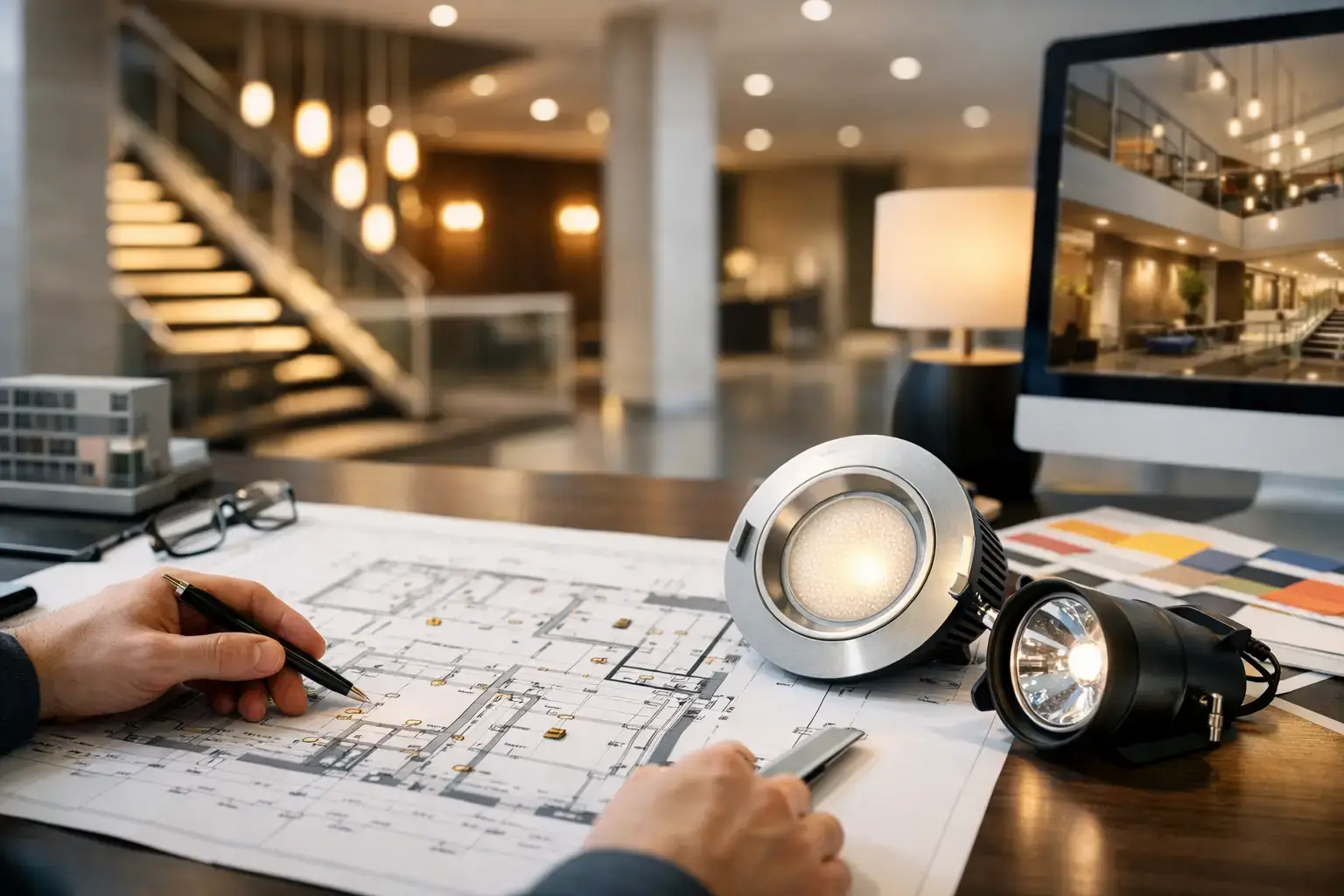
A building can have quality finishes, a practical layout and solid electrical work, yet still feel uncomfortable if the lighting is wrong. Too dim, and people strain to work or move safely. Too bright, and the space feels harsh. If you are working out how to design lighting for a building, the best place to start is not with fittings – it is with how the space will actually be used day to day.
Good lighting design balances visibility, comfort, efficiency and compliance. It also needs to suit the people using the building, the hours it operates and the kind of tasks happening inside. For homeowners, that might mean making a kitchen easier to cook in and a hallway safer at night. For business owners or property managers, it may mean creating a workplace that supports productivity while keeping running costs under control.
How to design lighting for a building from the ground up
The most reliable way to approach lighting design is to think in layers. One light in the middle of the ceiling rarely solves everything, especially in larger homes, offices, retail spaces or mixed-use buildings. A better result comes from combining ambient lighting for general visibility, task lighting for specific activities and accent lighting to highlight features or improve atmosphere.
Ambient lighting is the base layer. It helps people move through the space safely and comfortably. Task lighting supports practical jobs such as reading, food preparation, administration work or detailed trade tasks. Accent lighting is more selective and often used in entry areas, boardrooms, landscaped zones, display areas or living spaces where appearance matters.
Before any product is selected, it helps to map the building room by room. Ask what happens in each area, who uses it, how long they stay there and whether lighting needs to change across the day. A storeroom, reception area and bathroom all need different outcomes. The same is true in a home – a bedroom should not be lit like a garage, and an outdoor entertaining area should not be treated the same as a security pathway.
Start with function, not fittings
One of the most common mistakes is choosing lights based on style alone. Appearance matters, but performance matters first. In practical spaces, poor lighting creates frustration quickly. In commercial settings, it can also affect safety, staff comfort and presentation.
Think about ceiling height, room dimensions, surface colours and natural light. Dark floors and walls absorb more light, so the space may need a different arrangement from a room with pale finishes. High ceilings often require stronger output or more thoughtful placement to avoid shadows and dead zones. Windows can help during the day, but they also create contrast and glare if artificial lighting is not planned properly.
It is also worth considering when the building is used most. A daytime office with strong natural light has different demands from a warehouse, medical suite or home theatre used mainly at night. That affects the type of fittings, controls and colour temperature you choose.
Choosing the right light levels
Light level should match the task. Too little light can make a space unsafe or tiring to use. Too much can feel clinical and uncomfortable. This is where experience matters, because the right answer is rarely the same across an entire building.
As a general rule, circulation areas such as corridors and stairs need clear, even lighting for safety. Kitchens, laundries, workstations and bathrooms need stronger, more targeted light. Living rooms, waiting areas and hospitality spaces often benefit from softer, more flexible lighting that can be adjusted depending on time of day or use.
Uniformity is just as important as brightness. If one part of a room is bright and another is noticeably dim, the space feels awkward and people’s eyes work harder to adjust. A lighting plan should reduce harsh transitions and avoid creating glare on screens, reflective benches or polished floors.
Colour temperature changes the feel of a space
Colour temperature has a big impact on how a building feels. Warmer light tends to create a more relaxed, welcoming atmosphere, which suits living areas, bedrooms and some hospitality spaces. Cooler light can feel cleaner and sharper, which often works well in kitchens, bathrooms, offices and task-focused commercial areas.
There is no single best option for every building. In fact, using the same colour temperature everywhere can be a missed opportunity. A home usually benefits from variation across different rooms. A commercial property may need more consistency, but still with adjustments for staff areas, customer zones and external spaces.
Getting this balance right also affects how materials and finishes appear. Timber, paint, stone and fabrics can look quite different under various light tones. That is another reason lighting design should be considered early, not left until the end of a build or renovation.
How to design lighting for a building with energy use in mind
Running costs matter, especially in larger homes and commercial premises where lighting is used for long hours. Efficient fittings and smart controls can make a noticeable difference over time, but efficiency should never come at the expense of usability.
LED lighting is now the standard choice for most projects because it offers strong performance, lower power consumption and long service life. Beyond that, control strategy becomes important. Sensors, timers and dimmers can all help reduce unnecessary use. In offices, meeting rooms, bathrooms and external areas, these controls are often practical rather than fancy.
That said, automation should match the building. A sensor in a storeroom makes sense. A sensor in a living room may annoy people if it switches off while they are sitting still. This is where a tailored design is better than applying the same system across every part of the property.
Don’t overlook maintenance and access
A lighting design should still work well years after installation. That means thinking about access for replacement, cleaning and servicing. Decorative fittings in high ceilings may look impressive, but if they are difficult to maintain, they can become an expensive headache.
For strata, retail and commercial properties, maintenance planning is especially important. Consistent lamp type, sensible placement and durable fittings help reduce downtime and simplify future work. In outdoor areas, weather resistance and installation quality are critical if you want reliable performance through heat, rain and coastal conditions.
Safety, compliance and the electrical side of the job
Lighting is not only about appearance. It is part of the building’s electrical system and must be installed safely and to code. That includes correct circuit design, load management, switching, emergency lighting where required and appropriate protection for wet areas, outdoor zones and specialised environments.
Older buildings often need more than new fittings. They may require rewiring, switchboard upgrades or additional circuits to support a modern lighting plan safely. This is especially common in renovations where new lighting is added to a property that was never designed for current demands.
For commercial buildings, compliance obligations can be broader, particularly in workplaces, common areas and public-facing environments. Emergency and exit lighting, testing requirements and safe access all need to be considered early. Leaving these details until installation day usually leads to delays, variation costs or compromise.
Matching lighting to different building types
Homes, offices, retail shops, warehouses and apartment complexes all have different priorities. In a home, comfort and flexibility are often the focus. In an office, the goal may be visual comfort, energy control and a professional atmosphere. In retail, lighting can influence how products look and how customers move through the space.
Industrial and service environments tend to place more weight on visibility, durability and safety. Outdoor areas also need their own approach. Pathways, car parks, entry points and landscape features should be lit with a clear purpose, whether that is wayfinding, presentation or security.
This is why a one-size-fits-all solution rarely works. A good lighting design responds to the building, the people and the practical outcomes required.
If you are planning a new build, fit-out or upgrade, it pays to involve a licensed electrician early. A proper lighting plan can prevent rework, improve comfort and make the whole building easier to live in or operate. For many property owners, that is where working with an experienced team like Voltricity adds value – not just in installation, but in getting the design right before the first fitting goes in.
The best lighting does not call attention to itself every minute of the day. It simply makes the building work better, feel better and stay safer for the people using it.