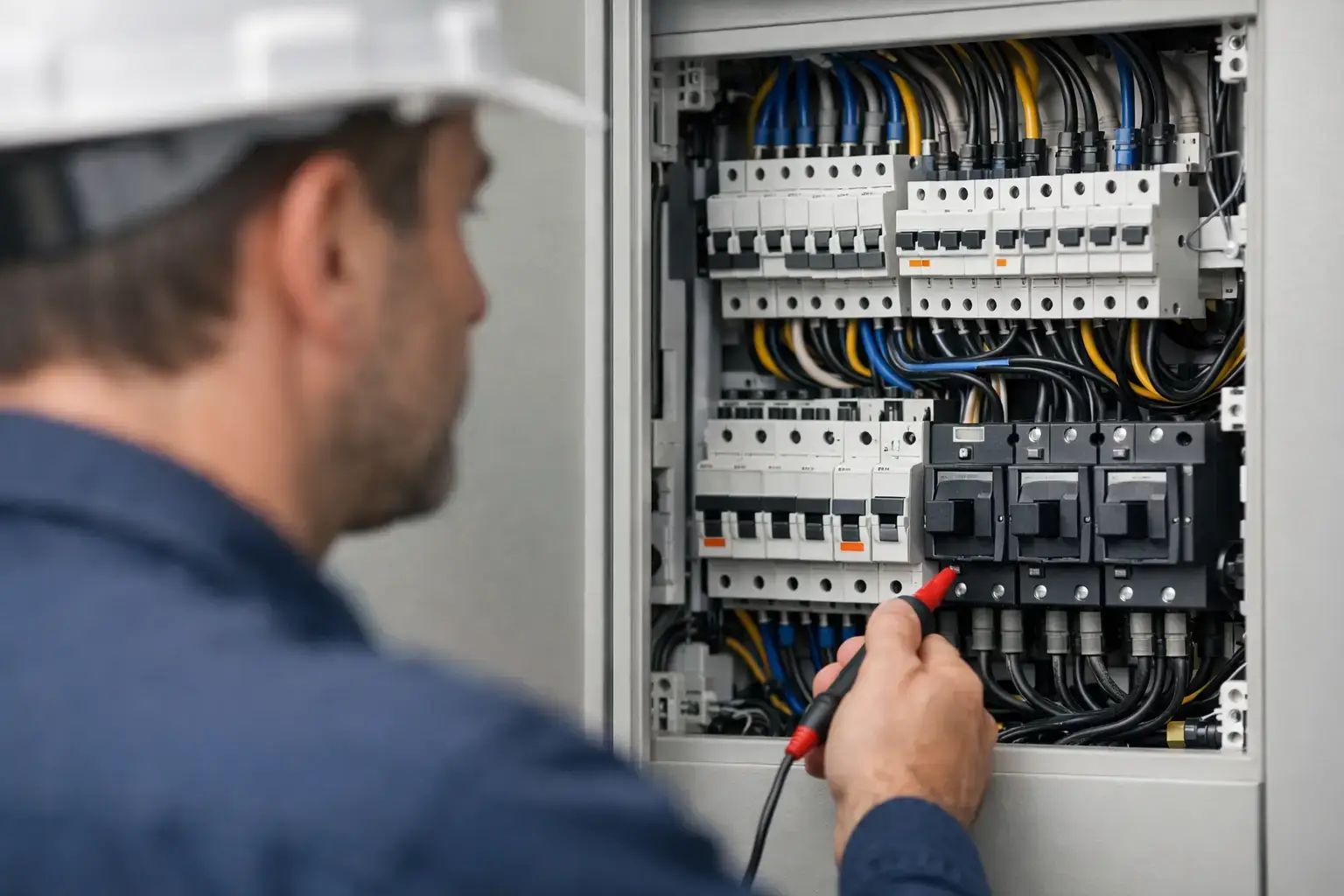
If your power trips every time the kettle, air con and microwave are running together, your switchboard may be telling you something. A lot of property owners ask, when do I need a switchboard upgrade, and the answer usually comes down to safety, capacity and whether your electrical system still suits the way you use power today.
A switchboard is the control point for your property’s electrical circuits. It protects your home or business by isolating faults and helping prevent overloads, electric shock and fire risk. When it is outdated, damaged or simply undersized for modern demand, it can become a weak point in the whole system.
When do I need a switchboard upgrade at home or work?
In many cases, the signs show up before the board completely fails. Frequent tripping is one of the most common indicators. If circuits are regularly cutting out, especially after adding new appliances or equipment, the board may not be coping with the load. That does not always mean the switchboard is the only issue, but it is often part of the problem.
Another clear sign is the presence of old ceramic fuses instead of modern circuit breakers and safety switches. Ceramic fuses were common in older properties, but they do not offer the same level of protection as current systems. If your switchboard still relies on rewireable fuses, it is worth having it assessed sooner rather than later.
You may also need an upgrade if your lights flicker, certain outlets feel unreliable, or the board itself shows signs of wear. Burn marks, buzzing sounds, heat damage, loose components or a burning smell should never be ignored. These are not cosmetic issues. They can point to serious electrical faults that need prompt attention from a licensed electrician.
For businesses, the threshold is often lower because downtime costs money. A shop, office, warehouse or strata property may technically still be operating on an older board, but if it cannot support equipment reliably or meet current safety expectations, upgrading becomes a practical business decision as much as a compliance one.
The biggest reasons switchboards need upgrading
Most upgrades happen for one of three reasons – safety, increased demand or compliance.
Safety is the first priority. Modern switchboards are designed to work with safety switches, also known as RCDs, which cut power quickly when they detect dangerous faults. These devices can reduce the risk of electric shock and are a major improvement over older fuse-based systems. If your board does not have the right protection in place, that is a strong reason to consider an upgrade.
Increased demand is the next big factor. Homes today use far more power than they did twenty or thirty years ago. Air conditioning, induction cooktops, home offices, larger entertainment systems, pool equipment and EV chargers all put extra pressure on the electrical system. In commercial spaces, it might be refrigeration, machinery, security systems, server equipment or fit-out changes. A switchboard that once handled basic loads may now be stretched beyond what it was designed to do.
Compliance also matters. Electrical standards change over time, and while not every older board is automatically illegal, older installations often fall short of what is expected for new work, alterations or major upgrades. If you are renovating, extending, installing solar, adding an EV charger or changing how a space is used, the switchboard may need to be brought up to current requirements as part of the project.
Common situations where a switchboard upgrade makes sense
One of the most common times to upgrade is during a renovation. If you are updating a kitchen, adding a granny flat, converting a garage or fitting out a commercial tenancy, your electrical demand usually changes as well. It is far easier and more cost-effective to address the switchboard during planned works than after the new circuits are already pushing the old board too hard.
EV charger installation is another major trigger. Charging an electric vehicle adds a significant load, especially if you want a dedicated fast charger rather than a basic outlet solution. Before installation, the switchboard and supply need to be checked to make sure they can support it safely.
Older homes are a separate category. If your property was built decades ago and has never had a substantial electrical upgrade, the switchboard may be overdue even if it seems to be working. Electrical systems can age quietly. Just because power is still on does not mean the protection is adequate.
Insurance and property transactions can also bring the issue to light. During a pre-purchase inspection or maintenance review, outdated switchboards often become a point of concern. Buyers, landlords and property managers generally want electrical infrastructure that is safe, reliable and fit for purpose. An upgrade can remove uncertainty and help avoid bigger issues later.
What an outdated switchboard can put at risk
The biggest risk is safety. An outdated board may not trip quickly enough during a fault, or it may not isolate the right circuit at all. That can increase the chance of electric shock, damaged appliances and electrical fire.
There is also the issue of reliability. Nuisance tripping, poor load distribution and limited circuit space can make day-to-day use frustrating. In a home, that means inconvenience. In a business, it can mean lost trading time, equipment interruptions and unhappy customers or tenants.
Then there is future flexibility. If your board is already full or close to capacity, even simple improvements become harder. Adding outdoor lighting, security systems, new air con or extra power points may require temporary workarounds or repeated call-outs. A well-planned switchboard upgrade gives you room to grow instead of patching around limitations.
When do I need a switchboard upgrade if nothing seems wrong?
This is where it depends. Not every older switchboard needs immediate replacement, and not every property with an older board is unsafe. The key question is whether the board is still suitable for the condition of the installation, the load being placed on it and the level of protection required today.
If nothing appears wrong but your board is old, lacks safety switches, uses ceramic fuses or has been added to over the years without a clear upgrade plan, an inspection is a smart next step. You are not guessing, and you are not replacing equipment for the sake of it. You are getting a clear view of whether your current setup is still doing its job.
That matters for owners who want to stay ahead of problems rather than wait for a fault. It also matters for landlords and business operators who have a responsibility to provide safe premises. Preventative work is usually less disruptive than emergency repairs.
What happens during a switchboard upgrade?
A proper switchboard upgrade starts with assessment. A licensed electrician checks the existing board, the incoming supply, circuit layout, earthing, safety devices and the load requirements of the property. From there, the scope of work can be tailored to the building rather than treated as a one-size-fits-all job.
In many cases, the work involves replacing outdated fuse panels with a modern switchboard fitted with circuit breakers and safety switches. Depending on the age of the installation, some circuits may also need attention to ensure the whole system is safe and compliant. That is why transparent advice matters. The right electrician should explain what is essential, what is recommended and what can be staged if needed.
For homes and businesses alike, the goal is not just a newer board. It is a safer, more reliable electrical backbone that supports the way the property is actually used.
The value of acting before it becomes urgent
Switchboard issues have a habit of showing up at the worst possible time – during peak summer, in the middle of a renovation, right before a tenancy handover or after installing new equipment. Waiting until the board fails can turn a manageable upgrade into an urgent repair.
Planning ahead gives you more control over timing, cost and scope. It also reduces the chance of avoidable outages and safety concerns. For many property owners, that peace of mind is reason enough to get the board checked.
If you have been wondering whether your switchboard is still up to the job, trust that instinct and have it assessed by a licensed electrician. A good switchboard should not be something you have to think about every week. It should protect your property quietly, reliably and without compromise.