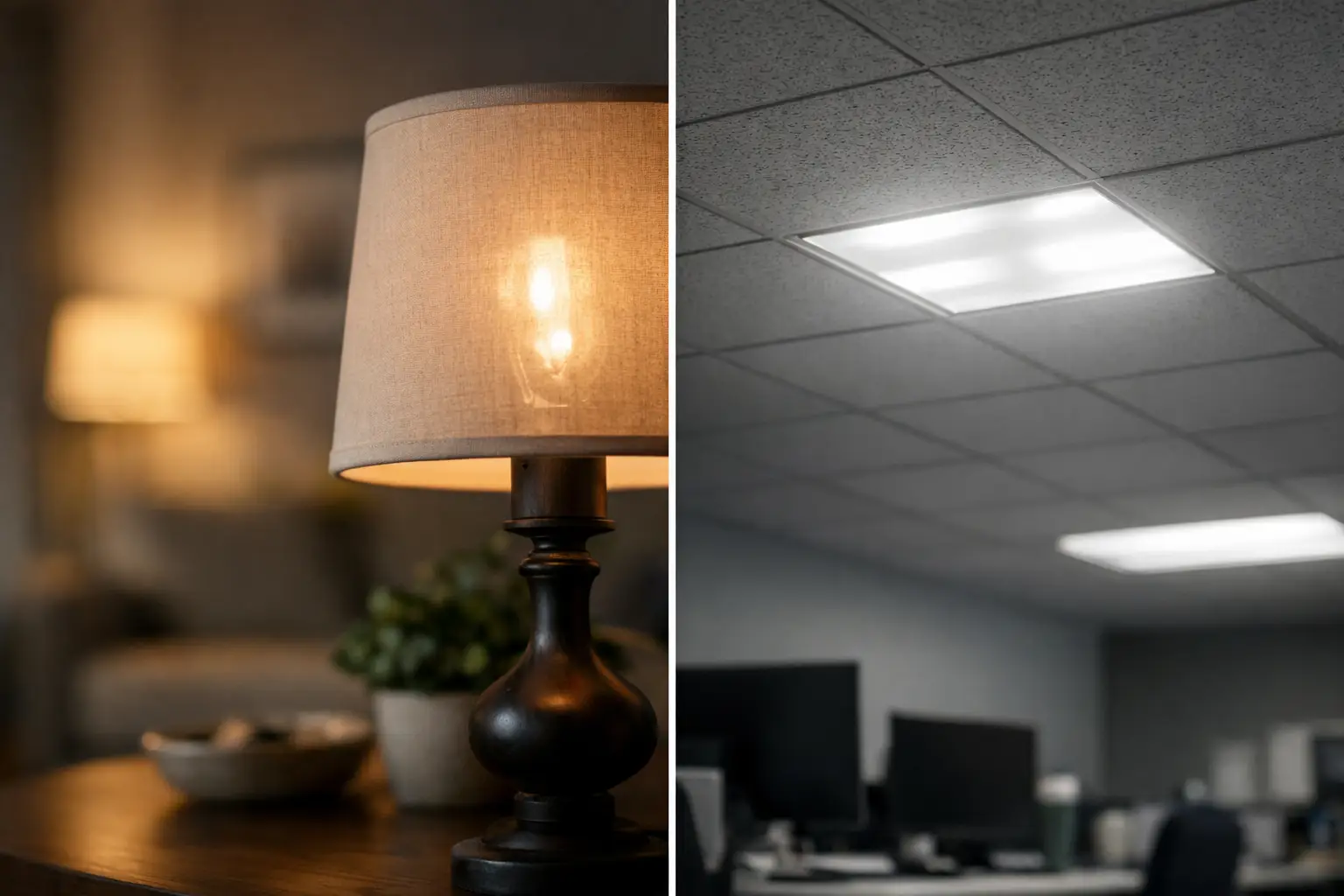
A light that flickers once might seem like nothing. A light that keeps doing it – especially when appliances switch on, during wet weather, or across more than one room – is your electrical system trying to tell you something. If you’re wondering why are lights flickering, the answer can range from a simple globe issue to a fault that needs urgent attention from a licensed electrician.
Why are lights flickering in the first place?
Flickering happens when the flow of electricity to a light becomes inconsistent. Sometimes that inconsistency is local, such as a loose globe or a worn fitting. Other times, it points to a broader issue with wiring, voltage stability, circuit loading, or the switchboard.
The key is context. One downlight in the kitchen behaving oddly is a very different situation from lights dimming throughout the property every time the air conditioner kicks in. The pattern usually tells you where the problem is likely to sit.
In homes and commercial spaces alike, flickering lights are often ignored because the lights still technically work. That is where problems can linger. Electrical faults do not always announce themselves dramatically. They often start with small changes – occasional flickering, buzzing, tripping circuits, or warm switch plates – before becoming more serious.
The most common causes of flickering lights
A faulty or loose light globe is the easiest place to start. If only one light is flickering, the globe may not be seated properly, or it may simply be nearing the end of its life. This is especially common with older globes, but LED lamps can also flicker if they are poor quality or incompatible with the fitting or dimmer.
Another common cause is a failing light fitting or switch. Over time, internal connections can loosen or wear out. You might notice the flicker gets worse when you touch the switch, or the light takes a moment to respond. That usually points to a local fault rather than a whole-property supply problem.
Voltage fluctuation is another possibility. Some minor variation is normal, especially when larger appliances start up. Refrigeration units, ducted air conditioning systems, pool pumps and other high-demand equipment can draw a strong current on start-up. If your lights dip briefly at that exact moment, that may be expected. If the flickering is frequent, strong, or getting worse, the circuit may be overloaded or the electrical infrastructure may no longer suit the property’s needs.
Loose wiring is more serious. A poor connection anywhere in the circuit can interrupt current flow and create flickering, heat build-up and, in some cases, arcing. This is not a DIY issue. Hidden wiring faults can sit behind walls, ceilings or in the switchboard and need to be diagnosed safely.
In some properties, particularly older ones, an outdated switchboard is part of the problem. If the system was designed for a much lighter load than the property now carries, the board may struggle to distribute power consistently. Renovations, added appliances, EV chargers, security systems and modern lighting loads can all expose the limits of older electrical setups.
When LED lights are the problem
LED lighting is efficient and long-lasting, but it is not immune to flickering. In fact, LEDs can be more sensitive to compatibility issues than older lamp types.
If your LED lights flicker, the first suspect is often the dimmer. Not all dimmers are designed for LED loads, and not all LEDs behave the same way. A mismatched dimmer can cause visible flicker, buzzing or uneven brightness. Even when the lights are technically working, the performance can be poor.
Driver issues can also cause LED flickering. Many LED fittings rely on drivers to regulate current. When a driver starts to fail, the light output can become unstable. This is common in integrated LED fittings where the driver is built into the unit.
Then there is product quality. Cheaper LED products can perform poorly from day one, particularly where voltage fluctuations are involved. A professional lighting installation is not just about placement and appearance. It also comes down to choosing fittings and control gear that work properly together.
If lights flicker when appliances turn on
This is one of the most common complaints we hear, and it usually points to load-related issues. When a large appliance starts, it draws extra power. If the circuit, cabling or switchboard is under strain, other lights on the same system may flicker or dim.
That does not automatically mean there is a dangerous fault. Sometimes the effect is brief and within normal limits. But if it happens often, affects multiple areas, or seems to be getting more pronounced, it is worth investigating.
In a home, this might happen when the oven, air conditioner, dishwasher or hot water system cycles on. In a commercial setting, it might be tied to refrigeration, workshop equipment, server loads or security infrastructure. The solution depends on what the electrical system was designed to handle and how it has changed over time.
This is where a proper assessment matters. You do not want guesswork when the issue may involve circuit separation, cable condition, switchboard capacity or appliance load behaviour.
Why are lights flickering throughout the whole property?
If lights are flickering in multiple rooms or across an entire building, the problem is less likely to be a single globe or fitting. That usually points to a supply issue, a switchboard fault, a shared neutral problem, or deteriorating wiring.
A poor connection on the main supply side can affect lighting across several circuits. So can faults in the meter box or switchboard. In some cases, the issue may relate to the network supply rather than the internal wiring, but that still needs to be properly ruled out by a licensed electrician.
Pay attention to other warning signs. If the flickering comes with buzzing sounds, burning smells, tripping safety switches, warm outlets, or discoloured switch plates, do not wait. Those symptoms suggest a more urgent electrical fault.
For business operators and property managers, widespread flickering is not just an inconvenience. It can affect staff comfort, customer experience, equipment performance and tenant confidence. It also raises legitimate safety concerns that should be addressed promptly.
What you can check safely
There are a few simple things you can do before calling for service, provided you stay within safe limits.
If only one light is flickering, try switching off the power at the switch and checking whether the globe is loose or due for replacement. If the light is on a dimmer, note whether the flickering happens only when dimmed. If it does, the issue may be dimmer compatibility rather than the wiring itself.
You can also observe the pattern. Does it happen at certain times of day, during storms, when one appliance starts, or only in one part of the property? That information helps narrow down the cause quickly.
What you should not do is open fittings, remove switch plates, inspect the switchboard internals, or try to tighten electrical connections yourself. In Australia, that work must be carried out by a licensed electrician.
When flickering lights are a safety issue
Some flickering is minor. Some is not. The difference usually comes down to frequency, spread and what else is happening around it.
You should treat flickering lights as urgent if they are accompanied by burning smells, crackling, sparking, repeated circuit trips, smoke, or visible damage to fittings or switches. The same applies if lights suddenly become much brighter and then dim again, as that can indicate a serious neutral fault.
Older homes deserve extra caution, especially if they have not had a switchboard upgrade or wiring inspection in many years. Commercial properties also carry risk where added equipment has changed the electrical demand without corresponding upgrades.
Electrical systems age. Loads change. What worked ten years ago may not be suitable now.
The value of getting it checked properly
A professional diagnosis saves time, protects the property and helps prevent avoidable faults from becoming bigger repairs. Rather than replacing random globes and hoping for the best, a licensed electrician can test the circuit, inspect the fitting, assess the switchboard and identify whether the issue is local or system-wide.
That matters because flickering rarely has one universal fix. It depends on the age of the installation, the type of lighting, the presence of dimmers, the condition of the wiring, and the overall load on the property. A modern office with LED panels and security systems has different demands from a family home with older cabling and a recently installed air conditioner.
At Voltricity, this is exactly the kind of issue where clear advice and quality workmanship make a difference. The goal is not just to stop the flicker for today, but to make sure the underlying electrical setup is safe, compliant and reliable for the long term.
If your lights are flickering once in a blue moon, it may be a simple fix. If it is happening regularly, across multiple areas, or alongside other electrical symptoms, trust that instinct and get it looked at. Small warnings are easier to deal with than major faults.