Blog

  • How to Choose EV Charger for Your Property

    How to Choose EV Charger for Your Property

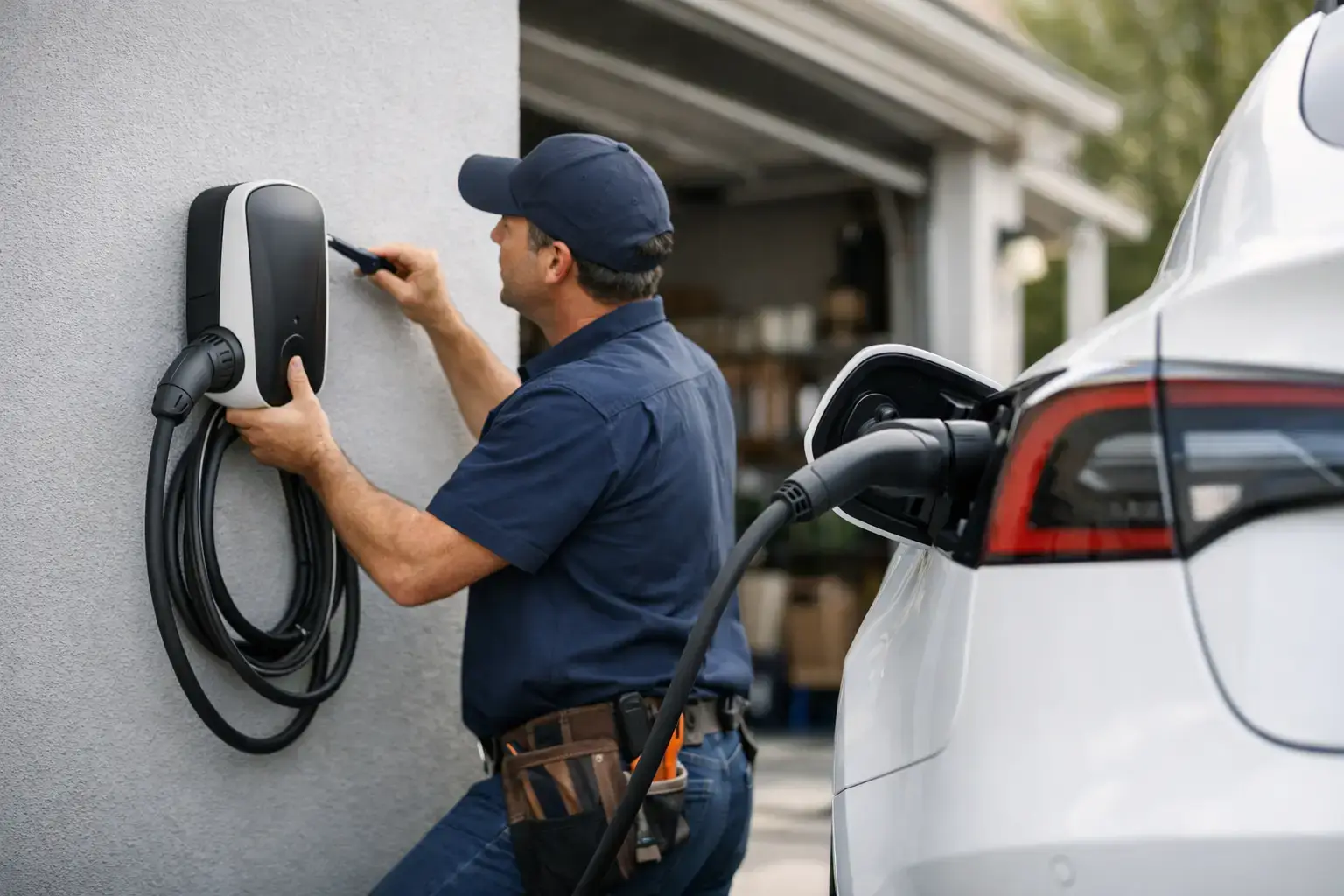
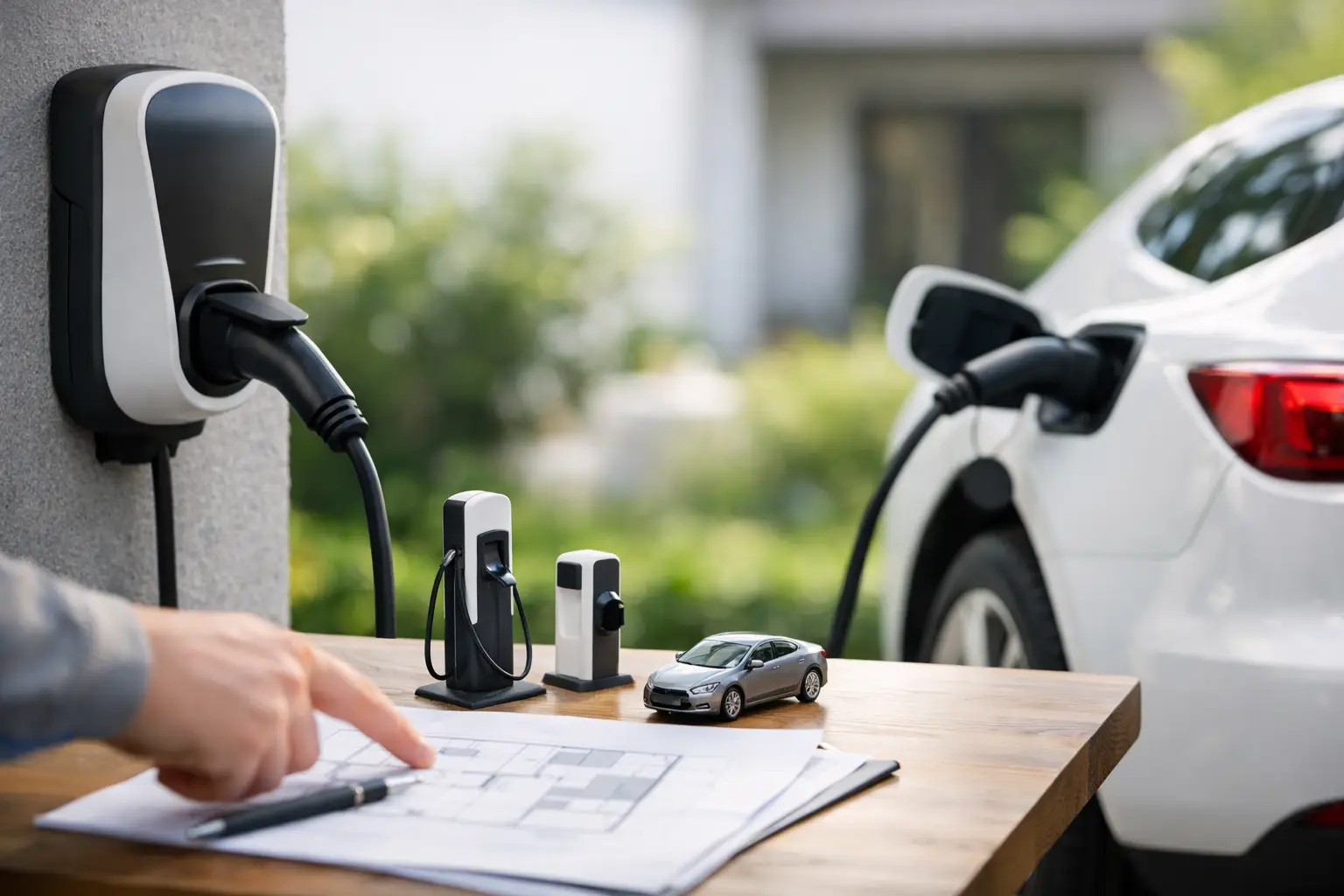
    If you have already bought an electric vehicle, or you are close to ordering one, the charger decision usually arrives faster than expected. Most people start by looking at price, then realise the real question is how to choose EV charger that suits the property, the vehicle, and the way it will be used day to day.

    That matters because the right charger should feel simple once it is installed. It should match your switchboard capacity, charge at a practical speed, and work safely for years without causing hassle. The wrong one can leave you paying for features you do not need, waiting longer than expected for charging, or facing upgrade costs that could have been planned earlier.

    How to choose EV charger without overcomplicating it

    A good place to start is not the charger brand. It is your usage. A homeowner with one EV parked in the garage overnight needs something very different from a strata property manager planning for multiple residents, or a business operator wanting staff and visitor charging during the day.

    For most properties, the decision comes down to five things: how fast you need to charge, what electrical capacity the site has, whether you want smart controls, where the charger will be installed, and how future needs might change. Once those are clear, the shortlist becomes much easier.

    Start with charging speed

    Not every EV charger delivers the same output, and faster is not always better. Many residential installations use AC wall chargers, often in the 7kW range for single-phase homes. That is enough for a large share of households because the vehicle can charge overnight while electricity demand is lower and the car is not in use.

    Some homes and commercial sites may be suited to three-phase charging, which can support higher charging speeds if the vehicle and site both allow it. But there is no point paying for extra charging capacity if your car cannot accept it, or if your daily driving only uses a modest amount of battery.

    A practical question helps here: how many kilometres do you typically need to replace between charges? If the vehicle is mostly used for commuting, school runs, and local trips, standard home charging may be more than enough. If it is a fleet vehicle, a high-use company car, or part of a business operation where downtime matters, faster charging may be worth it.

    Check your power supply before choosing the unit

    This is where many charger comparisons go off track. The charger you want still has to suit the electrical infrastructure you have. Your property may be single-phase or three-phase, and the available capacity on the switchboard will influence what can be installed safely.

    In some cases, the charger installation is straightforward. In others, the site may need a switchboard upgrade, dedicated circuit, load management setup, or other electrical work before the charger can be connected properly. That is especially common in older homes, renovated properties with added electrical demand, and commercial sites with multiple large appliances or equipment loads.

    This is one of the biggest trade-offs in how to choose EV charger. A cheaper unit is not necessarily the cheaper project if it triggers avoidable compatibility issues. A licensed electrician can assess the site first and tell you whether the existing setup supports the charger you are considering.

    Choose features that match how you will actually use it

    Once speed and power supply are sorted, features become the next decision point. Some people want a simple plug-in-and-charge unit. Others want app controls, scheduling, usage reports, solar integration, RFID access, or the ability to balance loads across multiple chargers.

    At home, scheduling can be useful if you want to charge during off-peak periods or coordinate charging with rooftop solar production. For investment properties or shared-use sites, access control matters more because you may need to limit who can use the charger. For businesses, reporting and user management can become important if you want to track electricity use, assign charging to staff vehicles, or prepare for multiple users over time.

    The key is to avoid paying for complexity you will never use. Smart features are valuable when they solve a real operational problem. They are less valuable when they just add cost and another app to manage.

    Tethered or untethered?

    This detail gets overlooked, but it affects convenience. A tethered charger has a cable attached, which is often easier for daily home use because the cable is always there and ready. An untethered charger uses a separate cable, which can look neater and offer more flexibility across different vehicle connections.

    There is no universal best option. Tethered units tend to suit homeowners who want speed and simplicity. Untethered units can work well where appearance, shared use, or connector flexibility matters more.

    Indoor, outdoor, residential, or commercial

    The installation environment matters as much as the charger itself. A charger mounted inside a private garage has different exposure and security needs from one installed on an external wall, open car park, basement, warehouse, or visitor parking area.

    Outdoor installations should be selected and positioned with weather exposure, cable management, impact risk, and user access in mind. Commercial settings may also need bollards, signage, access controls, or dedicated protection measures. A charger that looks fine on paper may not be the best fit for the actual site conditions.

    Think beyond today’s vehicle

    A lot of people choose a charger based only on the EV they own right now. That can be perfectly reasonable, but it is worth thinking one step ahead. Will there be a second EV at home within a few years? Is the business likely to add electric fleet vehicles? Could tenant or staff demand for charging increase?

    Futureproofing does not always mean buying the highest-spec charger available. Sometimes it means choosing a model with smart load management, selecting a location that allows a second charger later, or planning switchboard capacity early so the next stage is easier and less expensive.

    This is especially relevant for commercial properties and multi-vehicle households. The right choice today should not create unnecessary limits tomorrow.

    Safety, compliance, and installation quality

    An EV charger is not just another appliance. It is a high-load electrical installation that needs to be selected and installed correctly. Safety, compliance, circuit protection, and workmanship all matter.

    That is why brand claims and online reviews should never replace a proper site assessment. A charger may be popular, but if it is not suitable for your supply, location, or intended use, it is still the wrong product. Installation quality also affects reliability. Poor cable routing, incorrect protection, weak mounting, or inadequate testing can create problems that show up later.

    For homeowners and business operators, the safest path is straightforward: choose a licensed electrician with experience in EV charger installation, ask what site upgrades may be required, and get clear advice on the full scope of works before installation begins. Transparent pricing and a warranty-backed install matter just as much as the unit itself.

    Price matters, but total value matters more

    Everyone wants a fair price, and that is sensible. But when comparing chargers, it helps to separate the unit cost from the installation cost and from the long-term value of the setup.

    A lower-cost charger may be perfectly suitable if your needs are simple. On the other hand, a slightly higher upfront spend can make more sense if it gives you better compatibility, smarter energy management, stronger durability, or room to expand later. For commercial sites, reliability alone can justify the difference, because downtime and user frustration carry their own cost.

    The same goes for electrical upgrades. If your switchboard or existing wiring needs attention, that work is not an optional add-on. It is part of making the charger safe and dependable.

    The best choice is the one that fits the property

    When people ask how to choose EV charger, they are often expecting a single best model or size. In reality, the better question is which charger suits the vehicle, the site, and the way the property operates.

    A compact home charger may be ideal for one family and completely unsuitable for a business with regular daily vehicle turnover. A smart commercial unit may be excellent technology and still be unnecessary for a homeowner who just wants reliable overnight charging. Good advice comes from matching the charger to the property, not from forcing the property to fit the charger.

    If you are unsure where to start, begin with a site-based conversation rather than a product-based one. That approach usually saves time, avoids surprises, and leads to a charger that works properly from day one. And once it is in place, that is exactly how it should feel – simple, safe, and ready when you need it.
  • Hardwired vs Wireless CCTV: Which Fits?

    Hardwired vs Wireless CCTV: Which Fits?

    A camera that drops out during a storm, misses a delivery at the front door, or records patchy footage when you need clear evidence is not much use. When clients ask about hardwired vs wireless CCTV, they are usually not chasing features for the sake of it. They want a system that works properly, suits the property, and does not create headaches later.

    The right choice depends on how your home or business is built, how much coverage you need, and how important reliability is in day-to-day use. Both options can do the job well, but they solve different problems.

    Hardwired vs wireless CCTV – what is the real difference?

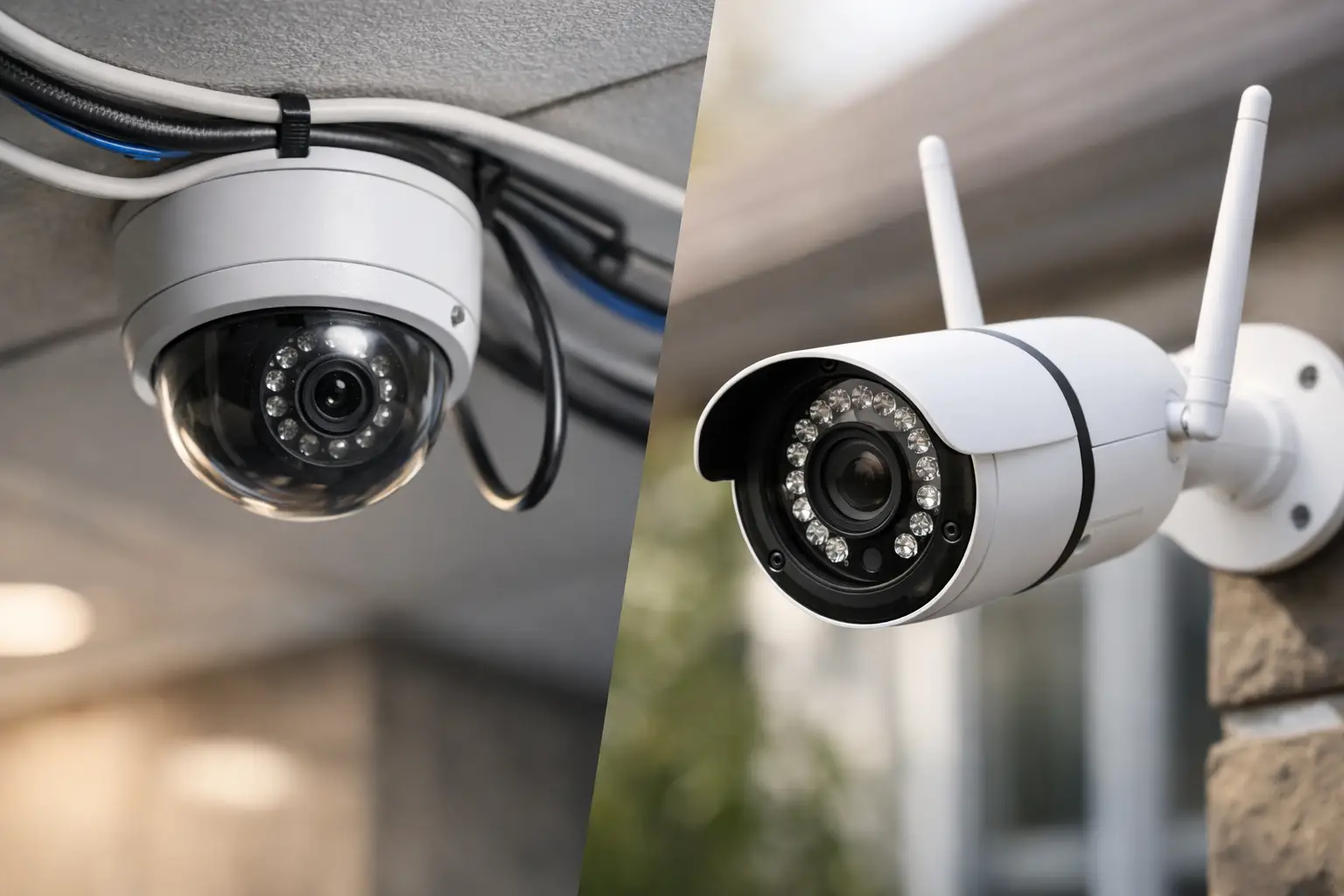
    A hardwired CCTV system uses physical cabling to connect cameras back to a recorder or network point. In most cases, that means more installation work upfront, but also a more stable and permanent setup. Power and data are usually handled in a planned, integrated way.

    A wireless CCTV system sends video over Wi-Fi rather than through a dedicated data cable. Some wireless cameras still need power from a nearby powerpoint, while others run on rechargeable batteries. That makes them quicker to install in certain locations, especially where running cable is difficult or where a temporary solution is needed.

    The term wireless can be a bit misleading. Many people assume it means no wiring at all, but most systems still need some form of power unless they are battery-operated. That matters because convenience at installation does not always translate to convenience over the long term.

    Reliability matters more than most people expect

    For most properties, reliability is where the difference becomes clear. Hardwired systems generally offer more consistent performance because they are not competing with your home or office Wi-Fi. They are less likely to suffer from signal dropouts, interference, or lag during busy network periods.

    That makes a real difference on larger blocks, double-storey homes, warehouses, retail sites, and offices with multiple users connected to the same network. If you are relying on cameras for after-hours monitoring, vehicle access, stock protection, or incident review, stable footage is not optional.

    Wireless CCTV can still perform well in the right environment. In a smaller home with strong Wi-Fi coverage and only a handful of cameras, it can be a practical solution. But if the modem is too far away, walls are thick, or the network is already under pressure, performance can become inconsistent. A camera that works perfectly in a brochure may struggle at the back fence or in a detached garage.

    Installation cost versus long-term value

    Wireless systems often look cheaper at first glance. The equipment may be more affordable, and installation can be faster because there is less cabling involved. That appeals to homeowners who want a straightforward setup or business operators trying to secure a small tenancy without major works.

    Hardwired systems usually cost more upfront because the installation is more involved. Cables need to be run neatly and safely, camera positions need proper planning, and the whole setup has to be integrated correctly. But that higher initial investment can deliver better value over time, particularly when you want dependable coverage and fewer ongoing issues.

    There is also the question of maintenance. Battery-powered wireless cameras need charging or battery replacement. Wi-Fi connected cameras may need repositioning, network troubleshooting, or occasional reconfiguration if your internet setup changes. Hardwired systems tend to be lower maintenance once installed properly.

    Image quality and recording performance

    Clear footage matters most when something goes wrong. You do not want to find out too late that faces are blurred, number plates are unreadable, or the recording skipped the important moment.

    Hardwired CCTV usually has the edge here because it can handle higher data loads more consistently. That supports better image quality, more reliable continuous recording, and smoother playback. For commercial sites, shared driveways, entrances, loading areas, and cash handling zones, that extra consistency can be worth it.

    Wireless CCTV can still deliver sharp images, especially with modern cameras, but quality often depends on signal strength and available bandwidth. If the network is unstable, footage may compress more heavily, lag, or fail to upload as expected. Cloud-based recording can also be affected by internet outages or speed limitations.

    That does not mean wireless is poor quality. It just means performance depends more heavily on the surrounding setup.

    Which system suits homes best?

    In residential settings, the best option usually comes down to layout, access, and future plans. A smaller home, townhouse, or unit can be well suited to wireless CCTV if the Wi-Fi signal is strong and the owner wants a less invasive installation. It can also be useful for renters or for properties where drilling and cabling need to be kept to a minimum.

    For larger homes, renovated properties, and houses with multiple entry points, hardwired CCTV often makes more sense. If you want cameras at the front door, side access, backyard, garage, and driveway, a wired setup generally gives more dependable coverage. It is also the better fit when you want the system integrated with other electrical or security works.

    There is another practical factor here. Many homeowners start with two cameras and later decide they want four or six. Hardwired systems are often easier to scale properly when expansion is part of the plan from the beginning.

    Which system suits businesses best?

    For most commercial environments, hardwired CCTV is usually the stronger choice. Businesses often need continuous recording, broader coverage, and dependable performance across longer operating hours. They may also need to monitor multiple zones at once, retain footage for compliance reasons, or review incidents in detail.

    Retail shops, offices, workshops, childcare centres, medical premises, warehouses, and strata-managed sites all benefit from stability and consistent recording. In these situations, wireless CCTV can work for a small site or a quick deployment, but it is rarely the first recommendation for a larger or more security-sensitive environment.

    Business owners also need to think about risk. If a camera goes offline during a network issue, who notices? If battery maintenance is missed, what area is left uncovered? A hardwired system reduces those variables and gives more confidence that the system will be operating when it is needed.

    Hardwired vs wireless CCTV for difficult properties

    Some properties do not fit neatly into one category. Older buildings, finished interiors, heritage elements, detached sheds, and complex layouts can all affect what is practical.

    This is where a site-specific approach matters. Sometimes a fully hardwired setup is clearly the best fit. Sometimes a hybrid approach works better, with wired cameras covering the critical areas and wireless units used where cabling would be disruptive or uneconomical. The best result is not always the one with the most features. It is the one that gives reliable coverage without unnecessary complications.

    A good installer looks beyond the camera itself. They assess power access, cable routes, network strength, recording needs, blind spots, and how the system will be used in real life.

    Questions worth asking before you choose

    Before deciding, think about what you actually need the CCTV system to do. Are you mainly checking parcel deliveries and front door activity, or do you need complete perimeter coverage and reliable evidence retention? Do you want a quick install for a single access point, or a long-term security upgrade that becomes part of the property infrastructure?

    It also helps to ask how often you are willing to maintain the system. If you want a set-and-forget solution, hardwired is often the safer bet. If flexibility and speed matter more than total permanence, wireless may be perfectly suitable.

    At Voltricity, these are the kinds of questions that shape the recommendation. The goal is not to push one system over the other. It is to match the installation to the property, the risk level, and the way the client actually uses the space.

    The better option is the one that suits the job

    If you want the short answer, hardwired CCTV is usually better for reliability, scale, and long-term performance, while wireless CCTV is often better for fast installation, flexibility, and smaller properties with strong network coverage.

    That said, the better system is not the one with the bigger spec sheet. It is the one that gives you clear footage, dependable operation, and confidence that your home or business is properly covered. If you choose with the property in mind rather than the packaging, you will usually get a far better result.

  • Emergency Electrician Near Me: What to Do

    Emergency Electrician Near Me: What to Do

    A power outage in one room is annoying. A burning smell near the switchboard, sparking power points, or a safety switch that will not stay on is a different story. When people search for an emergency electrician near me, they are usually not planning ahead – they are trying to make a safe decision quickly.

    That is exactly when clear thinking matters most. Not every electrical issue is a true emergency, but the ones that are should never be ignored. The right response can protect your property, reduce downtime, and most importantly, keep people safe.

    When you need an emergency electrician near me

    An electrical emergency is any fault that creates an immediate safety risk, causes major loss of power, or affects a critical part of your home or business. The obvious examples are smoke, burning odours, exposed live wires, and active sparking. Flooding around electrical fittings or storm damage can also turn a manageable issue into an urgent one very quickly.

    Some situations feel less dramatic but still need prompt attention. If your switchboard keeps tripping and will not reset, if only part of the property has lost power, or if lights are flickering alongside hot or buzzing outlets, there may be a deeper fault in the circuit. For businesses, faults affecting refrigeration, security systems, data rooms, or customer-facing areas can become urgent even when there is no visible damage.

    It depends on the context. A dead powerpoint in a spare bedroom may be inconvenient. The same fault in a medical practice, café, or server room is far more serious. Good electricians understand that urgency is not only about sparks and smoke – it is also about safety, access, and continuity.

    What to do before the electrician arrives

    Your first job is not to diagnose the fault. It is to make the area safe.

    If you can do so without risk, turn off the affected circuit at the switchboard. If you are unsure which circuit is involved, switch off the main power. Do not touch damaged wires, burnt fittings, wet appliances, or any electrical item sitting in water. Keep children, staff, tenants, or customers away from the area until it has been checked.

    If there is smoke, fire, or an immediate threat to life, call emergency services first. An electrician handles the electrical fault, but fire and rescue risks come first. Once the area is stable, be ready to explain what happened, when it started, and whether there were any warning signs such as tripping, heat, buzzing, or a recent storm.

    That information helps the electrician prepare. A clear description can mean the difference between arriving with a likely solution and spending extra time tracing avoidable unknowns.

    How to choose the right emergency electrician fast

    In an urgent situation, people often choose the first name they find. That is understandable, but speed should not come at the expense of safety or workmanship.

    Start with licensing and insurance. In Australia, electrical work must be carried out by a properly licensed electrician. If the issue involves a switchboard, mains supply, commercial infrastructure, or damaged wiring, that qualification is non-negotiable.

    Next, look for signs of genuine responsiveness. A reliable contractor should communicate clearly, give you a realistic timeframe, and explain what can be checked immediately versus what may require follow-up work. Fast response is valuable, but honesty matters just as much. If someone promises an instant fix before they have even seen the problem, be cautious.

    Transparent pricing also matters during emergencies. After-hours callouts can cost more, and that is normal. What customers should expect is clarity about callout fees, likely labour charges, and whether temporary make-safe work is different from a full repair. No one likes surprises when the power is already off.

    Local experience is another advantage. Searching for an emergency electrician near me is not only about distance. It is also about finding a team that understands local property types, common switchboard setups, storm-related issues, and the expectations of nearby homeowners and businesses.

    Common emergency faults and what they may mean

    Repeated tripping is one of the most common urgent callouts. Sometimes the cause is simple – a faulty appliance, overloaded circuit, or damaged extension lead. Other times it points to deteriorated wiring, moisture ingress, or a fault in the switchboard. The challenge is that the same symptom can have very different causes, so guessing is risky.

    Burning smells often indicate overheating. That could be a loose connection, failed outlet, overloaded circuit, or damaged breaker. Heat is never a sign to wait and see. Electrical components rarely cool down and repair themselves.

    Sparking from a powerpoint or switch may be minor in some cases, especially a small one-off spark when plugging in an appliance. But frequent sparking, visible charring, crackling sounds, or discolouration around the fitting usually means the point needs inspection and likely replacement. If the wall plate feels warm, stop using it immediately.

    Partial power loss can be especially frustrating because it is not always obvious where the fault sits. It may be an internal circuit issue, a switchboard problem, or supply-related damage after weather events. For commercial sites, partial outages can interrupt alarms, lighting, POS systems, automatic doors, and other operational essentials.

    Why emergency work should lead to a proper fix

    A good emergency response often starts with making the site safe. That may mean isolating a damaged circuit, replacing a failed component, or restoring essential power to part of the property. But emergency work is not always the full story.

    Sometimes the immediate danger is only the symptom of a larger issue. An old switchboard, deteriorated cabling, poor previous workmanship, or circuits that no longer suit modern electrical demand can all sit behind the fault. If the underlying cause is ignored, the same problem often returns – usually at the worst possible time.

    That is why experienced electricians do more than restore power and leave. They explain what failed, what was done to make it safe, and whether upgrades or further repairs are recommended. For many properties, particularly older homes and commercial tenancies, an urgent fault is the moment hidden electrical weaknesses finally become visible.

    Homes, rental properties and businesses all have different needs

    For homeowners, the main concern is usually family safety and getting daily life back to normal. Hot water, cooking, lighting, internet, garage access, and charging devices all depend on a system that works properly. A fast repair matters, but confidence in the workmanship matters more.

    Property managers and landlords have extra pressure. They need faults handled quickly, tenants kept informed, and compliance risks reduced. An electrician who communicates clearly and documents what was found can save time on both the practical and administrative side.

    Business operators face another layer again. Downtime costs money, and electrical issues can affect staff safety, customer experience, stock, security and trading hours. In these situations, speed, fault-finding ability and a professional approach all need to work together. That is where a dependable provider stands apart from a contractor who simply patches the issue.

    What a dependable emergency service looks like

    A dependable emergency electrician shows up prepared, works safely, and communicates in plain language. They do not inflate the issue, but they do not minimise it either. They check the immediate fault, test the affected area, and tell you what is safe to use before they leave.

    They also understand that electrical problems do not happen at convenient times. People calling after hours are often stressed, tired, or trying to protect a home, tenancy or business. Professional service means treating that situation with urgency and respect.

    At Voltricity, that approach is simple: respond promptly, make the site safe, carry out licensed work properly, and give customers a clear path forward if more permanent repairs or upgrades are needed. That matters just as much for a tripping switchboard as it does for damaged wiring, failed lighting, or faults affecting security systems.

    If you ever find yourself searching emergency electrician near me, trust the warning signs. Shut down what you safely can, keep people clear of the hazard, and call a licensed electrician who values safety, workmanship and straight communication. When the issue is urgent, the best next step is the one that protects your property properly the first time.

  • How to Install Wall Oven Safely

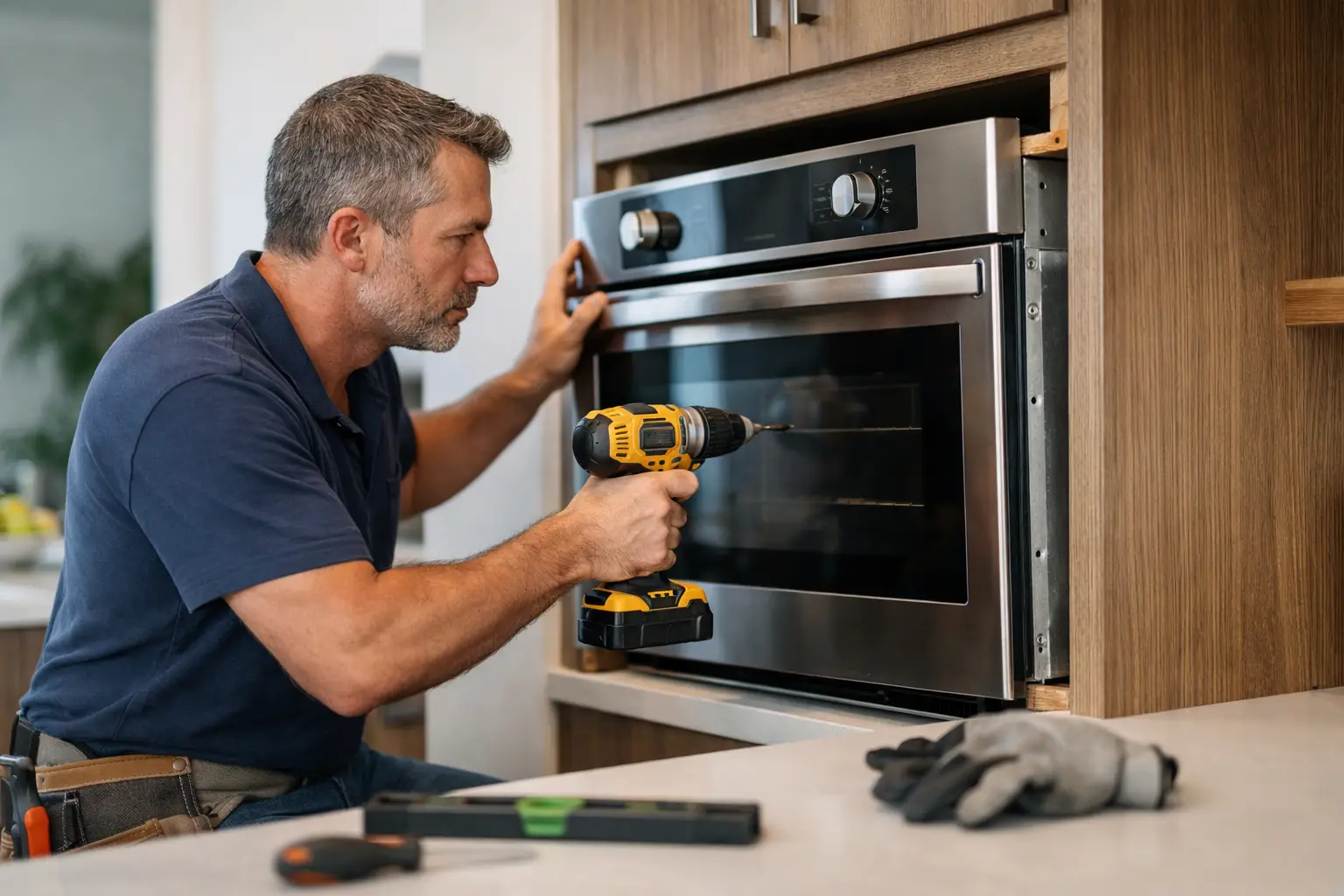
    How to Install Wall Oven Safely

    A wall oven should sit flush, heat evenly and work without tripping circuits. If you need to install wall oven units as part of a renovation or replacement, the job is more than sliding an appliance into a cabinet and plugging it in. In many Australian homes, the real work sits behind the cabinetry – checking the circuit, confirming ventilation clearances, verifying load capacity and making sure the final connection complies with current electrical standards.

    That matters for two reasons. First, wall ovens draw serious power, and a poor installation can create overheating, nuisance tripping or long-term damage. Second, once cabinetry is finished and the appliance is in place, fixing mistakes becomes far more expensive.

    What to check before you install wall oven models

    The first question is not which oven you like. It is whether your kitchen and electrical system are ready for it. A replacement oven can look straightforward on paper, but dimensions, wiring type and circuit requirements often vary from one model to the next.

    Start with the appliance specifications. You need the cut-out size, overall dimensions, required clearances and the rated electrical load. Some wall ovens are designed for a dedicated hardwired connection, while others may have a plug configuration depending on the model and local setup. In either case, the manufacturer instructions matter, and so does the existing wiring at the property.

    For homeowners and property managers, this is where surprises usually show up. An older oven may have been connected years ago under different conditions, or the cabinetry may have been built tightly around a previous unit with little tolerance for a new model. If the replacement is even slightly larger, a cabinetmaker may need to adjust the housing before any electrical work is completed.

    The electrical side is just as important. A licensed electrician should confirm the circuit capacity, breaker size, cable condition and isolation method. If the switchboard is already carrying a heavy load from induction cooking, air conditioning or an EV charger, adding a new oven can change what is required.

    Why electrical capacity matters

    Wall ovens are not small appliance loads. Depending on the model, they can place a significant demand on the circuit, particularly during preheat and high-temperature cooking. If the supply cable is undersized or the protective device is not matched correctly, the oven may not perform as intended and the installation may not be compliant.

    This is where a quick replacement can turn into an upgrade project. In some homes, the oven circuit is perfectly suitable and the work stays simple. In others, the cable run may be outdated, the switchboard may need attention or the appliance load may call for a dedicated arrangement that was not there before.

    There is no one-size-fits-all answer. A compact single oven in a newer home is different from a large multifunction unit in an older property with ageing wiring. The only safe approach is to assess the actual site conditions before installation day.

    Hardwiring, isolation and compliance

    In Australia, fixed electrical appliance installation is licensed electrical work. That means the final connection, testing and compliance checks must be carried out by a qualified electrician. This is not only about ticking a box. It is about confirming the appliance has been installed safely, the earthing is correct and the circuit protection works as it should.

    A proper installation also considers isolation. The oven needs an appropriate means of disconnection for servicing and maintenance. If access is poor after the appliance is fitted, planning that isolation point early saves trouble later.

    Cabinetry and ventilation are part of the job

    A wall oven installation is partly electrical and partly fit-off coordination. Even if the wiring is perfect, poor cabinet preparation can shorten the life of the appliance or create heat build-up around surrounding materials.

    Manufacturers specify minimum clearances for a reason. The oven needs enough airflow to dissipate heat, protect internal components and maintain cooking performance. If cabinetry is too tight, the unit may overheat, doors may not close properly or surrounding finishes may deteriorate over time.

    That is why experienced installers usually want to see the oven specifications before attending site. It allows the electrical work to be planned around the actual appliance, not guesswork.

    New installation versus replacement

    A straight swap is generally the simplest option, but even then, measurements should be checked carefully. Similar-looking models can have different cut-out requirements, different connection points and different load ratings.

    A new installation in a renovated kitchen takes more coordination. The cabinet location, cable route, circuit design and switchboard capacity should be planned before plaster, joinery and appliance delivery. Leaving the electrical work until late in the project often leads to avoidable delays.

    Common issues when people try to install wall oven units without proper planning

    The most common problem is assuming the existing circuit will do the job. That assumption can lead to repeated breaker trips, underperforming heating elements or a non-compliant installation that needs to be redone.

    Another issue is ordering the appliance before checking the cavity size. A few millimetres can be the difference between a clean fit and a costly cabinet alteration. The same goes for cable location. If the termination point sits where the oven body needs to slide, the unit may not sit correctly in the housing.

    Then there is access. Wall ovens are heavy and awkward to manoeuvre, especially in tight kitchens or upper-level apartments. Safe handling matters, both to protect the appliance and to avoid damage to cabinetry, flooring and walls.

    Should you DIY or book a licensed electrician?

    For anything involving fixed electrical connection, the answer is simple – book a licensed electrician. You can handle the early planning by confirming model details, measuring the cabinet opening and clearing access, but the installation itself is not a DIY electrical task.

    For homeowners, that protects your household and your insurance position. For property managers and business operators, it also protects you from future disputes around safety and workmanship. A compliant installation completed properly the first time is usually cheaper than paying for fault-finding, rectification and cabinet rework later.

    This is especially true in older homes, where hidden issues are more common. Damaged cable insulation, undersized circuits and outdated switchboards do not always show obvious signs until a new high-load appliance is connected.

    What a professional wall oven installation should include

    A professional install is not just the final connection. It should begin with checking the appliance specifications against the site conditions. From there, the electrician can verify the circuit, inspect the cable, confirm protection devices and determine whether any upgrades are needed before the oven is connected.

    Once the physical fit is ready, the appliance can be connected, secured and tested. That includes verifying operation, checking that the circuit performs correctly under load and ensuring the installation aligns with manufacturer instructions and relevant standards.

    Good communication is part of the service too. Customers should know before work starts whether the job is a straightforward replacement or whether additional work may be required. Clear advice upfront helps avoid surprise costs and keeps the project moving.

    For renovation projects, it is often worth having the electrician involved before cabinetry is finalised. That early input can prevent layout problems, poor cable placement and scheduling delays once the appliance arrives.

    Timing the installation properly

    If you are renovating, do not leave your wall oven installation until the very end without prior checks. Appliance deliveries can be delayed, model numbers can change and site conditions often differ from plans. A pre-install assessment helps keep the job on track.

    If you are replacing a failed oven, speed matters, but so does accuracy. Fast response is valuable when a household or business kitchen is out of action, yet rushing without checking the circuit and fit can create more downtime. The best outcome is prompt service with careful verification, not guesswork.

    At Voltricity, that practical mindset sits behind every installation job. Customers want the oven working safely, on time and without avoidable call-backs.

    The smart way to approach an oven upgrade

    If you plan to install wall oven appliances as part of a kitchen upgrade, think of the project as electrical infrastructure as much as appliance fit-off. The oven, the circuit, the switchboard and the cabinetry all need to work together. When they do, the result is straightforward – reliable cooking performance, a clean finish and confidence that the installation has been done properly.

    A good wall oven should make life easier, not introduce faults behind the scenes. Getting the checks done early, using licensed trades and allowing for the realities of your property will save time, money and stress long after the kitchen is finished.

  • How to Add Decorative LED Strip Lights

    How to Add Decorative LED Strip Lights

    A well-placed strip light can change a room faster than a fresh coat of paint. Add decorative LED strip lights under kitchen cabinets, behind a TV unit, along shelving or in a reception area, and the space immediately feels more finished. The catch is that a clean result depends on more than peeling backing tape and sticking the strip where it looks good.

    Done properly, LED strip lighting adds atmosphere, improves visibility and highlights features without taking over the room. Done poorly, it can look patchy, fail early, or create avoidable electrical issues. If you are planning an upgrade at home or in a commercial space, it helps to know where decorative strip lights work best, what power setup they need, and when a licensed electrician should step in.

    Where to add decorative LED strip lights

    The best LED strip installations are usually the ones you notice indirectly. Rather than staring at the light source itself, you see the effect – a softer edge, a warmer wall wash, or better definition around a feature.

    In homes, common placements include under overhead cabinets, inside joinery, along stair edges, behind mirrors, under bed frames and around entertainment units. These areas suit decorative lighting because the strip can often be concealed while the light is thrown onto a nearby surface. That gives you the visual benefit without exposing the tape, wiring or diodes.

    In commercial settings, decorative strip lights often work well in reception counters, bar fronts, retail displays, shelving, boardrooms and signage features. For businesses, the aim is usually twofold: create a polished look and support the way people use the space. A café may want warmth and ambience. A retail fit-out may want sharper feature lighting that helps products stand out.

    The location matters because heat, moisture, dust and traffic all affect product choice and installation method. A strip behind a television in a dry living room is a very different job from strip lighting around an outdoor entertaining area or in a bathroom vanity.

    Choosing the right strip light for the job

    Not all LED strips are equal, and this is where many decorative lighting projects go off track. Two products can look similar in the packet but perform very differently once installed.

    Brightness is the first thing to get right. Decorative strip lighting should support the room, not overpower it. If the strip is too bright, it can feel harsh and expose every imperfection in the joinery. If it is too weak, the effect disappears as soon as the main lights come on. Warm white usually suits living rooms, bedrooms, restaurants and hospitality spaces. Neutral or cool white can work better in kitchens, laundries, workspaces and some retail environments.

    The quality of light also matters. A cheaper strip can produce uneven colour, visible spotting and poor longevity. Higher-quality strips tend to offer better colour consistency and a smoother finish, especially when used inside an aluminium profile with a diffuser.

    Then there is the question of voltage and power supply. Some decorative strip lights plug into a standard outlet, while others require a hardwired driver. The right setup depends on the strip length, wattage, switching arrangement and whether the installation needs dimming or smart control. This is often where DIY plans run into trouble, because the lighting itself seems simple, but the power requirements behind it are not.

    Why the finish matters as much as the light

    The difference between a professional-looking installation and an obvious add-on usually comes down to finish. Decorative lighting should look intentional. That means hiding drivers where possible, managing cable runs neatly and avoiding visible sagging, gaps or exposed adhesive edges.

    One of the most effective ways to improve the finish is to mount the strip in an aluminium channel. This gives the strip support, helps with heat dissipation and creates a cleaner line. Add a diffuser, and the individual dots of light become less visible. In many spaces, that one detail makes the whole installation look more refined.

    Surface preparation matters too. If the strip is installed on a dusty, textured or greasy surface, the adhesive backing may not hold. Kitchens are a common example. Under-cabinet lighting can look excellent, but only if the mounting surface is properly cleaned and the strip is secured in a way that will last.

    This is one of those jobs where the product cost is only part of the story. A better planning and installation approach often gives you a result that lasts longer and looks far more polished.

    Add decorative LED strip lights safely

    If you want to add decorative LED strip lights, safety should be part of the plan from the start, not something considered after the strip is already on the wall. Even low-voltage lighting systems rely on a safe power source, suitable drivers and compliant installation methods.

    In Australia, any fixed electrical wiring work must be carried out by a licensed electrician. That includes hardwiring power supplies, altering circuits, adding switches, or integrating strip lighting into existing lighting systems. For homeowners and business operators, this is less about red tape and more about protecting the property, the occupants and the long-term reliability of the installation.

    There are also practical safety issues to consider. Drivers need ventilation. Moisture-prone locations need products with the right IP rating. Outdoor runs need weather protection and proper cable management. Long strip runs may need voltage drop considered so the far end of the strip does not appear dimmer than the beginning.

    It depends on the project, but if the installation involves cabinetry, bathrooms, shop fit-outs, outdoor areas or permanent wiring, professional advice early on can save a lot of rework.

    Common mistakes that lead to disappointing results

    The most common issue is choosing the strip before deciding what the lighting actually needs to do. Decorative lighting is not one-size-fits-all. A warm ambient glow behind a headboard needs a different approach from bright task support under kitchen cabinets.

    Another frequent mistake is exposing the strip directly to view. When you can see the raw diodes from normal standing or seated positions, the effect tends to feel cheap rather than subtle. Concealment, reflection and angle all matter.

    Power is another weak point. People often underestimate how many drivers, connectors or feed points are needed. They may also place the driver somewhere inaccessible, which becomes frustrating later if maintenance is required.

    Then there is overuse. Strip lighting works best when it supports the room design. If every ceiling line, shelf and skirting board glows, the space can quickly feel busy. Restraint usually delivers the better result.

    When professional installation is worth it

    Some plug-in strip lighting projects are straightforward, especially temporary decorative setups in dry indoor spaces. But once the job becomes part of the property, it makes sense to treat it like any other electrical improvement.

    Professional installation is especially worthwhile if you want integrated switching, dimmers, sensor control, hidden drivers, cabinet lighting, outdoor lighting or a tailored result across multiple areas. A licensed electrician can also assess whether your existing circuits, switchboard and switching layout support the new installation properly.

    For renovations and fit-outs, planning strip lighting early gives you far more control. Cables can be concealed before surfaces are finished, power can be located where it makes sense, and the lighting can be aligned with other electrical work rather than added as an afterthought. That is often the difference between a clean built-in look and a retrofit that never quite feels right.

    For property managers and business owners, reliability matters just as much as appearance. Decorative lighting still needs to be maintainable, safe and suitable for the environment. A quick fix that fails after a few months is rarely good value.

    Getting the look right for your space

    The most effective decorative lighting plans start with a simple question: what should the room feel like when the lights are on? In a home, you may want warmth, softness and comfort. In a commercial setting, you may want a sharper, more premium presentation.

    That decision guides everything else – colour temperature, placement, brightness and control. Warm white strips tucked under joinery can make a kitchen feel more inviting at night. Backlighting behind a bathroom mirror can soften shadows and improve day-to-day use. In a retail or hospitality setting, subtle strip lighting can highlight architectural details without distracting from the main space.

    A tailored approach nearly always beats a generic kit. That is why many clients choose to have decorative lighting assessed as part of a broader electrical upgrade. When the lighting is designed around the room instead of forced into it, the result is cleaner, safer and more useful.

    If you are planning to upgrade a room, tenancy or fit-out, decorative LED strip lighting can be one of the simplest ways to add impact. The key is treating it as a proper lighting feature, not just a stick-on accessory. A thoughtful layout, quality components and safe installation will always look better than a rushed shortcut.

  • Surge Protection for Homes That Actually Works

    Surge Protection for Homes That Actually Works

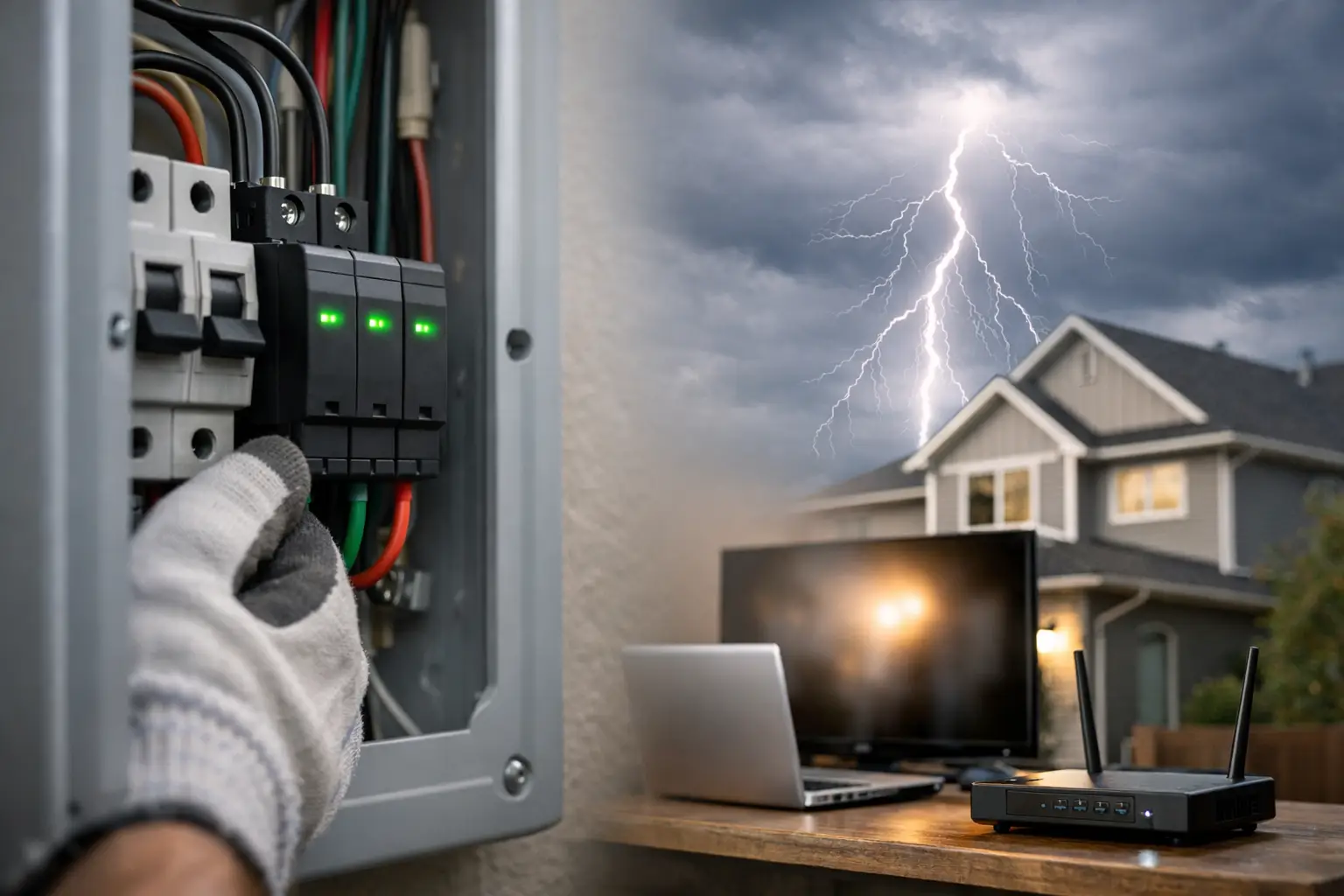
    One power surge can wipe out a modem, damage a fridge control board, trip sensitive safety devices or shorten the life of expensive electronics without any obvious warning. That is why surge protection for homes is less about gadgets and more about protecting the electrical system your household relies on every day.

    For many property owners, the problem is that surges are easy to underestimate. If the lights come back on and everything still seems to work, it is tempting to assume no real harm was done. In practice, smaller repeated surges can quietly wear down appliances, air conditioning systems, EV chargers, security equipment and smart home devices over time. The replacement costs add up quickly, and the disruption is often worse than the bill.

    What surge protection for homes actually does

    A power surge is a brief spike in voltage above what your electrical system is designed to handle. Some surges come from outside the property, such as lightning activity or changes on the grid. Others start inside the building when larger appliances switch on and off, or when equipment with motors and compressors creates sudden fluctuations.

    Surge protection works by diverting excess voltage away from circuits and connected equipment before damage occurs. The key point is that not all protection is equal. A basic plug-in board may help with low-level surges on a single outlet, but it will not give the same level of protection as a professionally installed device at the switchboard.

    For most homes, effective protection is layered. The switchboard protects the broader installation, while point-of-use protection can still play a role for especially sensitive electronics. It is not an either-or decision. It depends on the age of the home, the value of the equipment inside it and how much risk you want to reduce.

    Where power surges come from in Australian homes

    Many people associate surges with storms, and that is certainly part of the picture in Australia. Summer weather, lightning activity and unstable conditions can all increase the risk of voltage spikes, especially in areas with overhead supply lines or homes exposed to severe weather.

    But storms are only one source. Internal surges are common and often overlooked. Air conditioners, pool pumps, fridges, garage door motors and larger kitchen appliances can all create minor surges during normal operation. These events may be small, but they happen repeatedly. Over months and years, that repeated electrical stress can degrade components inside modern appliances.

    If your property has had recent renovations, added an EV charger, upgraded to smart lighting or installed security cameras and alarms, the need for reliable protection grows. Modern homes simply have more electronics than they used to, and many of them are more sensitive than older equipment.

    Why switchboard protection matters most

    If you are deciding where to start, whole-home protection at the switchboard is usually the most effective first step. A surge protection device installed by a licensed electrician is designed to intercept incoming voltage spikes before they spread through the property.

    This matters because the switchboard is the control point for your electrical system. Protecting circuits at that level gives much broader coverage than relying on a few power boards around the house. It can help protect hardwired equipment as well, including ovens, air conditioning systems, hot water units, smoke alarm circuits, CCTV systems and other fixed electrical assets that cannot simply be unplugged.

    There is still a trade-off to understand. No surge protection system can promise absolute protection against every event, particularly a direct lightning strike or a severely compromised electrical installation. What it does do is dramatically reduce risk and improve the resilience of your home’s electrical infrastructure.

    Signs your home may need surge protection

    Some properties are more exposed than others. If your home has an older switchboard, frequent power fluctuations, nuisance tripping or a history of damaged electronics after storms, it is worth having the system assessed.

    You should also take a closer look if you have invested in high-value equipment. Home offices, entertainment systems, smart appliances, solar-related equipment, EV charging setups and integrated security systems all increase the potential cost of a surge event. In these cases, surge protection is not just a safety upgrade. It is an asset protection measure.

    Property managers should think about it the same way. A preventable failure in a rental home can lead to urgent call-outs, tenant frustration and replacement costs that far exceed the cost of installing the right protection in the first place.

    Plug-in boards vs whole-home surge protection

    This is where many households get mixed messages. Plug-in surge boards are widely available and can be useful, but they are not a complete solution. Their protection is limited to devices connected to that board, and quality varies a lot between products.

    A whole-home surge protection device installed at the switchboard is designed to protect multiple circuits across the property. It addresses the issue closer to the source and supports a more consistent level of protection. For most homeowners, that is the smarter foundation.

    That does not mean plug-in protection has no place. If you have a desktop setup, gaming system or entertainment unit with particularly sensitive electronics, adding a quality point-of-use protector can make sense as part of a layered approach. The important thing is not to mistake one power board for a complete home strategy.

    Installation is not a DIY job

    Surge protection devices must be selected and installed to suit the property, the switchboard and the existing electrical system. That means checking the board configuration, earthing arrangement, available space, load requirements and the condition of the installation overall.

    A licensed electrician can also identify related issues that affect performance and safety. In some homes, especially older ones, surge protection should be considered alongside a switchboard upgrade. There is little value in adding modern protective devices to a board that is already outdated, overcrowded or not compliant with current standards.

    This is where experienced advice matters. A proper assessment avoids guesswork and ensures the protection installed is appropriate for the risks at your property, rather than just being the cheapest device available.

    How surge protection fits into a safer electrical system

    Surge protection works best as part of a broader approach to electrical safety. Safety switches, compliant wiring, proper circuit protection and a well-maintained switchboard all play different roles. One does not replace the other.

    Think of it this way. Safety switches are there to reduce the risk of electric shock. Circuit breakers help protect wiring from overload and short circuits. Surge protection helps manage damaging voltage spikes. Each device addresses a different problem.

    That is why homeowners should be cautious about simple one-size-fits-all advice. The right setup depends on the age of the property, whether it has had additions or upgrades, the type of equipment in use and how exposed the site is to external electrical events.

    When it is worth acting sooner rather than later

    If you are already planning electrical work, that is often the ideal time to ask about surge protection. Switchboard upgrades, rewiring work, EV charger installation, solar-related changes and security system installations all create a practical opportunity to improve system protection at the same time.

    It can also be worth acting after the first warning sign rather than waiting for a bigger failure. A burnt modem, a damaged TV after a storm or recurring faults in sensitive equipment may point to a broader issue. Replacing individual items one by one is usually the more expensive path.

    For households that rely on stable power for working from home, medical devices, internet connectivity or smart security, the value goes beyond the replacement cost of appliances. It is about reducing disruption and keeping the home functioning as it should.

    A well-protected home is not built on luck. It is built on sound electrical work, the right equipment and advice you can trust. If you are unsure whether your current setup offers real protection, a licensed electrician can check your switchboard, explain your options clearly and help you put the right safeguards in place before the next surge tests the system.

  • When to Change Exhaust Fans

    When to Change Exhaust Fans

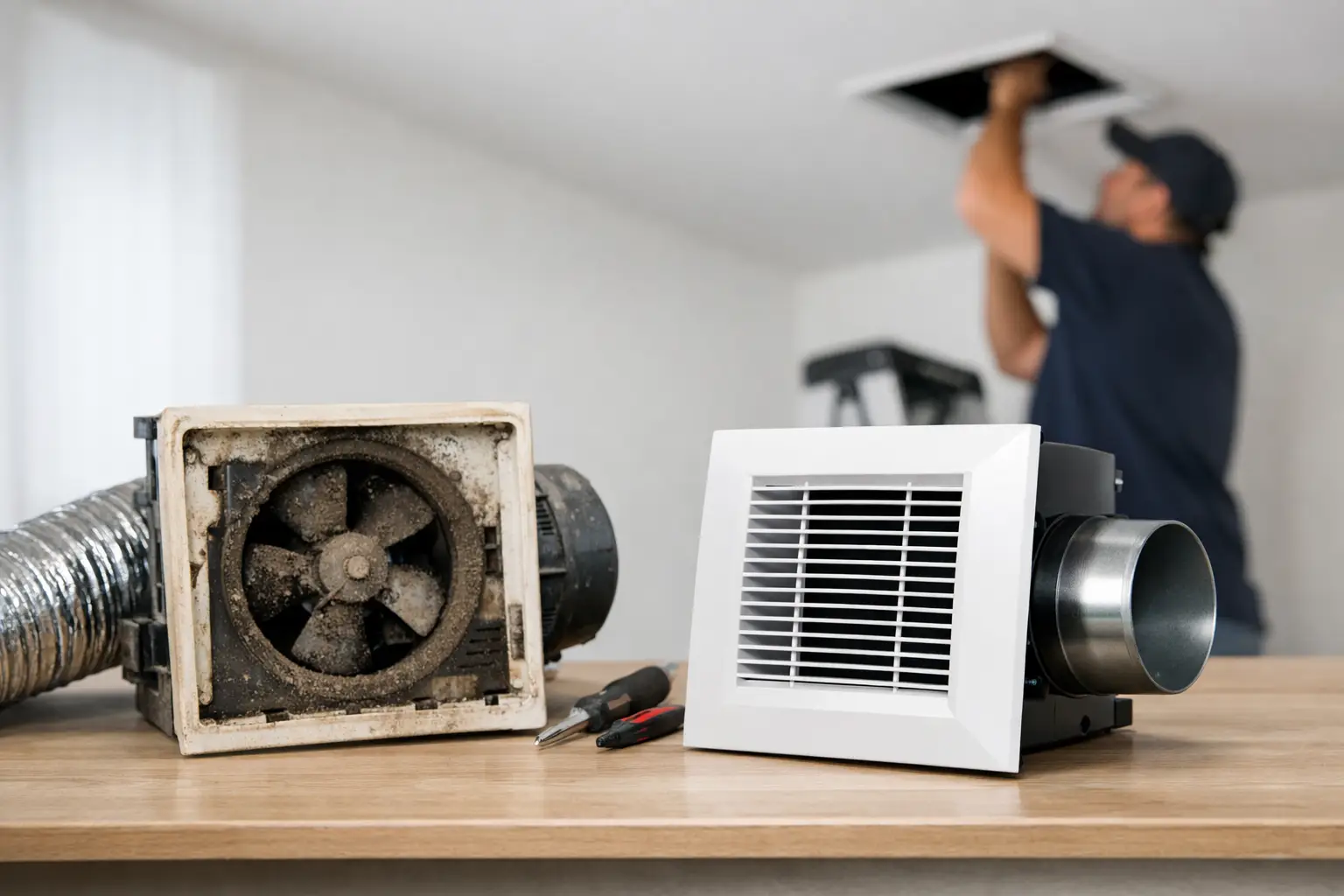
    That bathroom fan that rattles for ten minutes after a shower is not just annoying. It can be a sign the unit is no longer clearing moisture properly, which means steam lingers, paint peels, and mould gets a head start. If you are planning to change exhaust fans in a home, rental, office or shop, timing matters just as much as the fan you choose.

    For most property owners, the question is not whether an exhaust fan matters. It is whether the current one is still doing its job safely and efficiently. A tired fan can keep spinning without actually moving enough air, and that creates problems you usually notice too late.

    When should you change exhaust fans?

    A good exhaust fan should remove moisture, odours and stale air quickly, with noise levels that feel reasonable for the space. If it is struggling to do that, replacement is often more practical than repeated patch-up repairs.

    In bathrooms, signs tend to show up first. Mirrors stay fogged long after a shower, ceilings collect condensation, and corners start showing mould despite regular cleaning. In kitchens, smoke and cooking odours hang around longer than they should. In laundries and commercial washrooms, poor ventilation can leave surfaces damp and air heavy.

    Age also matters. Many exhaust fans will run for years, but performance drops over time as motors wear, dust builds up and ducting issues develop. If the unit is older, noisy, slow to start, or no longer suited to the room size, changing it is often the smarter long-term option.

    Common signs it is time to change exhaust fans

    The most obvious sign is noise. Grinding, rattling, humming or squealing usually points to motor wear, loose parts or mounting problems. Sometimes a clean-out helps, but when the noise keeps coming back, the unit may be at the end of its service life.

    Weak airflow is another red flag. If toilet odours linger, steam stays trapped, or air movement feels barely noticeable, the fan may be underperforming. That can happen because the motor is failing, the blades are clogged, or the fan was undersized from the start.

    Some warning signs are electrical. A fan that cuts out, trips a circuit, smells hot, or only works intermittently should be checked promptly. Electrical faults are not something to ignore, especially in wet areas where compliance and safety are critical.

    Then there is visible damage. Cracked covers, rust, discolouration and moisture stains around the fitting can all suggest the fan is not coping well with the environment. In commercial settings, that can affect not just comfort but also maintenance costs and presentation.

    Repair or replace?

    There are cases where a repair makes sense. If the fan is relatively new and the issue is limited to a loose grille, minor wiring fault or blocked duct, a targeted fix may get it back on track.

    But if the fan is old, noisy and ineffective all at once, replacement is usually the better investment. Paying for repeat call-outs on a unit that still leaves the room damp rarely saves money.

    Why replacing an exhaust fan is not just about comfort

    Ventilation affects the condition of the property. In homes, excess moisture can damage plaster, cabinetry and paintwork. In rental properties, it can lead to ongoing complaints and preventable maintenance issues. In businesses, poor airflow can make amenities unpleasant for staff and customers and add to wear on interiors.

    There is also the safety side. Exhaust fans are electrical appliances installed in areas where moisture is common. Correct selection, wiring and installation are essential. A fan that is badly installed, poorly vented or not appropriate for the room can create more problems than it solves.

    That is why many owners choose a licensed electrician rather than treating it as a simple swap-over. What looks straightforward from the outside can involve circuit checks, ducting condition, ceiling access, load considerations and compliance requirements.

    Choosing the right replacement fan

    Not every exhaust fan suits every room. One of the biggest mistakes is replacing like for like without checking whether the old unit was adequate in the first place.

    Room size comes first. A small ensuite has different airflow needs from a family bathroom, commercial kitchenette or change room. If the fan is too small, it will run without clearing enough moisture. If it is too large, you may pay more than necessary and deal with unnecessary noise.

    Noise is a close second. Many people put up with loud fans because they assume that is normal. It is not. Modern units can be much quieter while still moving air effectively, which makes a noticeable difference in homes and client-facing commercial spaces.

    Energy efficiency also deserves attention. A fan that runs regularly should not be wasting power. Newer models can offer better performance with lower energy use, which becomes more relevant across multiple bathrooms or larger facilities.

    Ducted and vented properly

    The fan itself is only part of the system. Ducting has to carry moist air to the right discharge point. If ducting is damaged, poorly routed or venting into the wrong area, moisture can build up where you do not want it – including inside roof spaces.

    This is one of those details that often gets missed in older properties and quick renovations. Replacing the fan without addressing poor ducting can leave the underlying issue unresolved.

    Residential and commercial needs are not the same

    Homeowners usually focus on bathrooms, toilets, laundries and kitchens. Their priorities are clear – reduce moisture, keep noise down and avoid future damage. A neat finish matters too, especially if the room has recently been updated.

    Property managers often need something slightly different. They want durable, compliant installations that reduce maintenance calls and tenant complaints. In that context, choosing the cheapest unit is not always the cheapest outcome.

    For business operators, ventilation affects customer experience and staff comfort. In offices, retail spaces, hospitality venues and amenities areas, a failing exhaust fan can create odour issues, stale air and moisture problems that reflect poorly on the premises. Fast, tidy replacement work is often essential to minimise disruption.

    What to expect when you change exhaust fans

    A professional replacement usually starts with an assessment of the room, existing fan, wiring and ducting. That helps determine whether a direct replacement is suitable or whether the installation should be upgraded.

    Sometimes the opening in the ceiling can be reused. Sometimes a different size or style is a better fit, which may require minor adjustment work. If the existing wiring is outdated or the switch arrangement is unsuitable, that should be addressed at the same time rather than worked around.

    For older homes and commercial buildings, there can be a few unknowns once access is gained. That is normal. The value of experienced electrical work is not just fitting the new unit – it is identifying issues early, explaining the options clearly and completing the job to a proper standard.

    At Voltricity, that approach matters because clients are not just paying for a fan to be swapped. They are paying for safe workmanship, clear communication and a result that lasts.

    Is it worth upgrading instead of replacing like for like?

    Often, yes. If your current fan is undersized, very loud or poorly placed, a straight replacement may miss the chance to improve the room properly. Upgrading can mean better airflow, lower noise and more reliable moisture control.

    That said, it depends on the property, the room layout and your budget. In a rental or commercial site, you may prioritise durability and quick installation. In a renovated home, you may care more about low-profile appearance and quieter operation. The right answer is not always the most expensive fan. It is the fan that matches the room and is installed correctly.

    A smart change now can prevent a bigger problem later

    Exhaust fans are easy to ignore because they sit quietly on the ceiling until they stop doing their job. By then, the real cost might not be the fan at all. It might be mould treatment, repainting, tenant complaints, damaged finishes or ongoing moisture issues that could have been prevented with a timely replacement.

    If a fan is noisy, weak, unreliable or simply no longer suited to the space, changing it sooner is usually the practical move. Good ventilation protects the property, improves comfort and removes one more maintenance issue from your list.

    If you are unsure whether your current fan needs attention, trust the signs the room is giving you. Damp air, persistent odours and noisy operation rarely fix themselves.

  • Commercial Security System Installation Guide

    Commercial Security System Installation Guide

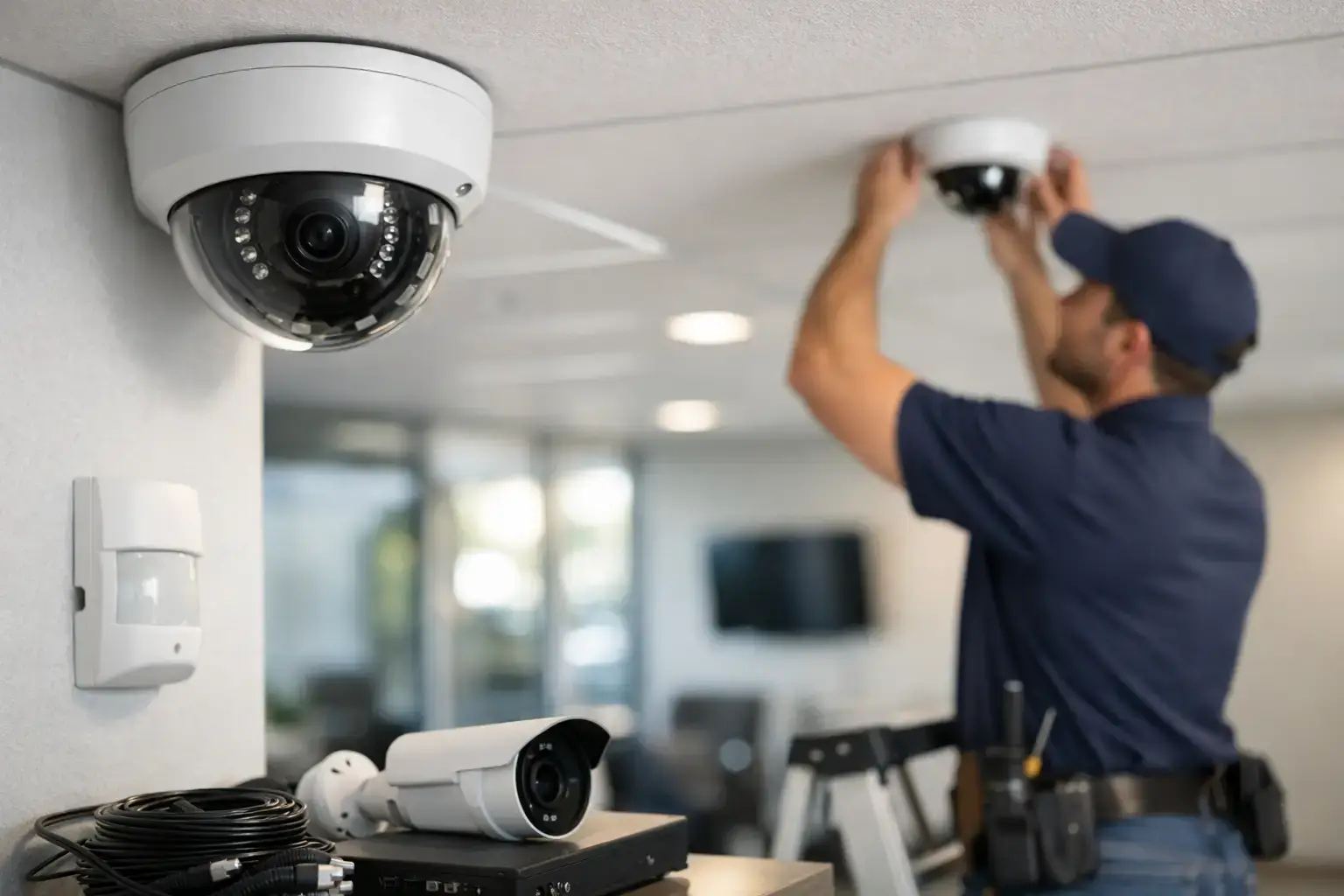
    A business owner usually notices security gaps at the worst possible time – after a break-in, after stock goes missing, or after staff raise concerns about who can access the site. Good commercial security system installation is about fixing those gaps before they become expensive problems. It is not just a matter of putting cameras on walls. The right setup needs to suit the building, the way your team works, your risk level, and the electrical infrastructure already in place.

    For shops, offices, warehouses, medical suites, schools, and mixed-use sites, security works best when it is planned as part of the property itself. That means thinking about surveillance, access control, alarms, lighting, cabling, power supply, and user access as one connected system. When each part is selected and installed properly, you get a site that is easier to manage, safer for staff and visitors, and far less vulnerable to avoidable incidents.

    What commercial security system installation should include

    A proper commercial security system installation starts with a site assessment. Every premises has different entry points, blind spots, operating hours, and exposure to risk. A retail tenancy has different needs from a warehouse with roller doors and loading zones. Likewise, a small office with ten staff should not be treated the same way as a multi-tenant building with shared access areas.

    At the planning stage, the aim is to answer practical questions. Where do people enter and exit? Which areas hold stock, equipment, cash, records, or sensitive information? Are there car parks, external walkways, or rear service areas that need visibility after dark? Is the building already cabled for data and power in a way that supports security devices, or will upgrades be needed?

    Most commercial systems are built around three core functions. Cameras provide visibility and recorded footage. Access control restricts who can enter particular areas and when. Intruder alarms alert you when there is unauthorised activity. In many cases, these are supported by security lighting, intercoms, remote viewing, and backup power so the system remains useful during outages or after hours.

    Why planning matters more than product hype

    It is easy to get distracted by high-spec cameras or app features. In practice, the value of a security system usually comes down to coverage, reliability, and usability. A premium camera placed in the wrong position will still miss key activity. An access system that is confusing to manage will often be bypassed. An alarm that throws false alerts too often tends to get ignored.

    That is why layout matters more than marketing claims. Camera angles need to capture faces at entries, vehicle movement where relevant, and activity in high-risk areas without leaving dead zones. Access readers need to be placed where they support traffic flow rather than slowing everyone down. Alarm devices need to suit the environment, whether that means motion detection in internal spaces or perimeter protection for external points of entry.

    There is also a balance to strike between security and convenience. A tightly locked-down site may sound ideal, but if it makes daily operations harder, staff will look for workarounds. On the other hand, a system that is too loose can leave obvious gaps. The best installations are the ones that support the way a business actually runs.

    Commercial security system installation and electrical work

    This is the part many property owners underestimate. Security systems depend on sound electrical and cabling work. Cameras, control panels, recording devices, network switches, access readers, electric strikes, sensors, and backup units all need reliable power and proper installation.

    If the site has ageing switchboards, overloaded circuits, poor cable pathways, or patchy external lighting, those issues can affect system performance. In some buildings, a security upgrade becomes the point where broader electrical problems come to light. That is not necessarily bad news. It is often better to identify those issues before the system goes live rather than chase faults later.

    Working with a provider who understands both security and electrical infrastructure can make the process smoother. It reduces the risk of fragmented work, avoids finger-pointing between trades, and helps ensure the final setup is safe, compliant, and built to last. For many businesses, that joined-up approach is the difference between a neat installation and an ongoing maintenance headache.

    Choosing the right components for your site

    CCTV is often the first thing business owners ask about, but not every camera setup is equal. Resolution matters, but so do lens type, low-light performance, storage capacity, and placement height. A camera watching a front counter has a different job from one covering a car park or warehouse aisle. Good footage should be useful, not just available.

    Access control is where many commercial sites see the biggest day-to-day benefit. Instead of relying on physical keys that can be copied, lost, or never returned, businesses can issue controlled credentials to staff and contractors. Access can be limited by area or time of day, and permissions can be changed quickly when roles change. For offices, apartment common areas, storerooms, and restricted work zones, that control is often more valuable than people expect.

    Alarm systems still play an important role, particularly for after-hours protection. The right setup depends on the building layout and how the site is used. Some businesses need full arming outside business hours. Others need partial arming so cleaners, night staff, or delivery teams can still move through approved areas. That is where careful programming matters.

    Compliance, privacy, and practical risk

    Commercial security is not only about equipment. It also involves legal and operational responsibilities. If you are recording staff, visitors, customers, or shared areas, privacy considerations need to be handled properly. Signage, footage access, retention periods, and internal policies should all align with how the system is being used.

    There are also workplace safety considerations. A poorly installed camera or access device is not just untidy – it can become a hazard or a point of failure. Cabling should be protected, equipment should be fitted securely, and any integration with doors, gates, or emergency egress needs to be set up correctly.

    For strata managers and commercial landlords, these details matter even more. Shared buildings often involve multiple users, competing access needs, and a higher standard of accountability. What works in a standalone tenancy may not suit a common entry, basement, or plant room serving several occupants.

    What a smooth installation process looks like

    A well-run project should feel organised from the start. First comes the consultation and site review, where the installer looks at risk areas, existing services, access points, and operational needs. From there, you should receive a clear scope of work that explains what is being installed, where devices are going, what infrastructure is required, and how the system will be used.

    Installation should then be scheduled with minimal disruption to the business. In occupied workplaces, timing matters. Works may need to happen around trading hours, staff access, or tenant coordination. Clean workmanship is important here – not just for appearance, but because exposed or poorly routed cabling can undermine the reliability of the whole system.

    Commissioning is the stage that proves whether the job has been done properly. Cameras should be tested in real lighting conditions. Access permissions should be checked against actual user scenarios. Alarms should be programmed and demonstrated clearly. Staff should know how to arm and disarm the system, retrieve footage if needed, and request support when something changes.

    This is also where responsive service matters. If a business has questions after handover, they should be able to get answers without chasing. That level of follow-through builds trust and helps the system stay effective long after installation day.

    Ongoing reliability matters as much as day one

    Even the best installation needs occasional attention. Cameras can be knocked out of position. Storage settings may need adjustment. Access lists change as staff come and go. Firmware updates, battery checks, and periodic testing all help maintain performance.

    That is why it pays to think beyond the initial quote. The cheapest option can end up costing more if the system is difficult to maintain or unsupported when faults appear. A better approach is to invest in a setup that suits your site now and can scale with you later. If you add staff, expand your floor area, or take on another tenancy, your security should be able to grow with the business.

    For business owners and property managers, peace of mind usually comes from simple things done properly – clear advice, licensed workmanship, safe installation, reliable hardware, and support when you need it. That is the standard a company like Voltricity aims to deliver.

    If you are considering a security upgrade, start with the practical question: what risks do you actually need the system to solve? Once that is clear, the right installation becomes much easier to get right.

  • Home EV Charger Installation Done Right

    Home EV Charger Installation Done Right

    You notice it quickly once you start living with an EV – public chargers are useful, but they are not what makes ownership easy. The real convenience comes from home EV charger installation that suits your vehicle, your driving habits and your property’s electrical capacity. Get that part right, and charging becomes part of the routine rather than something you need to plan your week around.

    Why home EV charger installation matters

    A standard power point can top up some vehicles, but it is usually slow and not ideal as a long-term solution. If you drive daily, have a larger battery, or simply want the confidence of reliable overnight charging, a dedicated charger is the better option. It is faster, safer and designed for the load.

    There is also the question of electrical safety. EV charging places sustained demand on a circuit for hours at a time. That is different from plugging in a small appliance for occasional use. A professionally installed charger gives you the protection of the right circuit, the right cabling, the right breaker and the right testing at the end of the job.

    For many households, it is not just about speed. It is about protecting the switchboard, avoiding nuisance tripping and making sure the installation complies with current Australian standards.

    What a proper installation usually involves

    Home EV charger installation is rarely just a case of mounting a unit on the wall and plugging it in. Every property has its own layout, switchboard condition and power availability, so the job starts with an assessment.

    An electrician will usually check your existing switchboard, identify whether there is enough spare capacity, and confirm the best location for the charger. That includes practical details such as cable run distance, weather exposure, vehicle parking position and whether the charger can be installed where the cable reaches comfortably without becoming a trip hazard.

    The final design may also include load management. This matters in homes where air conditioning, ovens, hot water systems and EV charging may all be operating around similar times. Rather than overloading the supply, a smart setup can balance demand across the property.

    In some homes, the installation is straightforward. In others, the charger is only one part of the job, with a switchboard upgrade or circuit improvements needed first. That is not upselling for the sake of it. It is often the difference between a charger that works reliably and one that causes ongoing issues.

    Choosing the right charger for your home

    Not every EV owner needs the biggest charger available. The right unit depends on how far you drive, how long the car is parked at home, and what your property can support.

    A homeowner with a short daily commute may be perfectly well served by a modest charger that replenishes the battery overnight. A two-EV household, or a business operator using a vehicle heavily during the day, may want faster charging and smarter scheduling features. If you have solar, it may make sense to choose a charger that can integrate with your system and prioritise solar generation when conditions allow.

    Features matter, but only when they match how you actually live. App control, timers, usage tracking and load balancing can be genuinely useful. On the other hand, paying extra for features you will never use does not make the installation better. Good advice starts with your routine, not a product brochure.

    Where the charger should go

    Placement affects convenience more than most people expect. A charger installed in the wrong position can leave cables stretched across walkways or force awkward parking every day. The best location is usually the one that gives easy access to the charge port while keeping the unit protected and the installation neat.

    Garages are common, but not every home has one. Carports, side access areas and external walls can also work well when the equipment is rated for the environment. Weather protection, clearance, cable management and safe routing all need to be considered before the first hole is drilled.

    For strata properties, apartment parking or shared spaces, the process can be more involved. Approval requirements, common property rules and metering arrangements can affect what is possible. That does not mean it cannot be done, but it does mean planning matters early.

    The electrical capacity question

    One of the most common issues with home EV charger installation is not the charger itself. It is whether the property’s electrical system is ready for it.

    Older homes may have limited switchboard capacity or outdated components that should be addressed before adding a high-demand circuit. Even newer homes can run into capacity issues if they already have multiple large electrical loads. The answer depends on the property. Sometimes it is a simple dedicated circuit. Sometimes it calls for load management. Sometimes a switchboard upgrade is the safest path.

    This is where a licensed electrician adds real value. They can assess the total demand, explain the trade-offs clearly and recommend a solution that is safe, compliant and practical for everyday use. Guesswork is not worth it when you are adding a major electrical load to your home.

    How much home EV charger installation costs

    Cost is one of the first questions people ask, and reasonably so. The honest answer is that pricing varies because installation conditions vary.

    A straightforward install close to the switchboard, with good access and no upgrade work, will usually cost less than a charger placed far from the supply or on a property that needs board upgrades, trenching or additional protection. The charger brand and feature set also affect the final figure.

    The cheapest quote is not always the best value. If a price leaves out key protection devices, proper testing or realistic labour for the job, it may look attractive at first and become expensive later. Clear quoting matters. You should know what is included, whether any upgrade work is recommended, and what warranty applies to the installation.

    Compliance, safety and why licensing matters

    EV charging is not a handyman job. It needs to be installed by a licensed electrician who understands the product requirements, the circuit protection involved and the applicable Australian standards.

    A compliant installation is about more than ticking a box. It reduces fire risk, protects the vehicle, protects the home and gives you confidence that the charger will perform as intended. Proper testing and certification are part of the process, not optional extras.

    That is especially important if the charger is installed outdoors, in a multi-dwelling setting, or in a commercial environment where usage may be heavier or more varied. Safety does not change just because the installation is convenient. If anything, higher-use environments demand even more care.

    Planning for the future

    A good charger install should work for the car you have now, but it should also make sense for the way your property may change. You might add a second EV. You might install solar or battery storage. You might renovate the garage or upgrade other major appliances.

    Thinking ahead can save money and disruption later. That might mean choosing a charger with smart features you are likely to use, allowing for future circuit capacity, or installing in a location that still works if your parking setup changes. Future-proofing does not mean overbuilding everything. It means making sensible decisions now so you are not redoing the job in two years.

    What to expect from a professional installer

    A professional service should feel clear from the start. You should be able to ask questions, get a realistic assessment of your property, and receive advice that matches your needs rather than a generic sales pitch.

    That includes turning up when promised, explaining whether your switchboard is suitable, outlining any approval or upgrade requirements, and completing the work neatly. Good workmanship is visible in the details – tidy cable runs, secure mounting, accurate testing and a clean handover.

    For property managers and business operators, responsiveness matters just as much. Delays, vague communication and unclear scopes create unnecessary friction. A reliable electrical contractor helps you make decisions quickly and keeps the project moving.

    At Voltricity, that practical, safety-first approach is exactly how home charging work should be handled. The goal is not simply to install a unit on the wall. It is to deliver a setup that is safe, compliant and reliable for the long term.

    The right installation makes EV ownership easier

    When home EV charger installation is planned properly, it becomes one of the most useful upgrades you can make to a property. You stop thinking about charging stops, waiting times and whether the battery will get you through tomorrow. You come home, plug in and get on with the rest of your evening.

    That kind of convenience only feels simple because the electrical work behind it has been done properly. If you are considering a charger at home, start with the condition of your electrical system, the way you actually use your vehicle and the value of having the job completed right the first time.

  • When Do I Need a Switchboard Upgrade?

    When Do I Need a Switchboard Upgrade?

    If your power trips every time the kettle, air con and microwave are running together, your switchboard may be telling you something. A lot of property owners ask, when do I need a switchboard upgrade, and the answer usually comes down to safety, capacity and whether your electrical system still suits the way you use power today.

    A switchboard is the control point for your property’s electrical circuits. It protects your home or business by isolating faults and helping prevent overloads, electric shock and fire risk. When it is outdated, damaged or simply undersized for modern demand, it can become a weak point in the whole system.

    When do I need a switchboard upgrade at home or work?

    In many cases, the signs show up before the board completely fails. Frequent tripping is one of the most common indicators. If circuits are regularly cutting out, especially after adding new appliances or equipment, the board may not be coping with the load. That does not always mean the switchboard is the only issue, but it is often part of the problem.

    Another clear sign is the presence of old ceramic fuses instead of modern circuit breakers and safety switches. Ceramic fuses were common in older properties, but they do not offer the same level of protection as current systems. If your switchboard still relies on rewireable fuses, it is worth having it assessed sooner rather than later.

    You may also need an upgrade if your lights flicker, certain outlets feel unreliable, or the board itself shows signs of wear. Burn marks, buzzing sounds, heat damage, loose components or a burning smell should never be ignored. These are not cosmetic issues. They can point to serious electrical faults that need prompt attention from a licensed electrician.

    For businesses, the threshold is often lower because downtime costs money. A shop, office, warehouse or strata property may technically still be operating on an older board, but if it cannot support equipment reliably or meet current safety expectations, upgrading becomes a practical business decision as much as a compliance one.

    The biggest reasons switchboards need upgrading

    Most upgrades happen for one of three reasons – safety, increased demand or compliance.

    Safety is the first priority. Modern switchboards are designed to work with safety switches, also known as RCDs, which cut power quickly when they detect dangerous faults. These devices can reduce the risk of electric shock and are a major improvement over older fuse-based systems. If your board does not have the right protection in place, that is a strong reason to consider an upgrade.

    Increased demand is the next big factor. Homes today use far more power than they did twenty or thirty years ago. Air conditioning, induction cooktops, home offices, larger entertainment systems, pool equipment and EV chargers all put extra pressure on the electrical system. In commercial spaces, it might be refrigeration, machinery, security systems, server equipment or fit-out changes. A switchboard that once handled basic loads may now be stretched beyond what it was designed to do.

    Compliance also matters. Electrical standards change over time, and while not every older board is automatically illegal, older installations often fall short of what is expected for new work, alterations or major upgrades. If you are renovating, extending, installing solar, adding an EV charger or changing how a space is used, the switchboard may need to be brought up to current requirements as part of the project.

    Common situations where a switchboard upgrade makes sense

    One of the most common times to upgrade is during a renovation. If you are updating a kitchen, adding a granny flat, converting a garage or fitting out a commercial tenancy, your electrical demand usually changes as well. It is far easier and more cost-effective to address the switchboard during planned works than after the new circuits are already pushing the old board too hard.

    EV charger installation is another major trigger. Charging an electric vehicle adds a significant load, especially if you want a dedicated fast charger rather than a basic outlet solution. Before installation, the switchboard and supply need to be checked to make sure they can support it safely.

    Older homes are a separate category. If your property was built decades ago and has never had a substantial electrical upgrade, the switchboard may be overdue even if it seems to be working. Electrical systems can age quietly. Just because power is still on does not mean the protection is adequate.

    Insurance and property transactions can also bring the issue to light. During a pre-purchase inspection or maintenance review, outdated switchboards often become a point of concern. Buyers, landlords and property managers generally want electrical infrastructure that is safe, reliable and fit for purpose. An upgrade can remove uncertainty and help avoid bigger issues later.

    What an outdated switchboard can put at risk

    The biggest risk is safety. An outdated board may not trip quickly enough during a fault, or it may not isolate the right circuit at all. That can increase the chance of electric shock, damaged appliances and electrical fire.

    There is also the issue of reliability. Nuisance tripping, poor load distribution and limited circuit space can make day-to-day use frustrating. In a home, that means inconvenience. In a business, it can mean lost trading time, equipment interruptions and unhappy customers or tenants.

    Then there is future flexibility. If your board is already full or close to capacity, even simple improvements become harder. Adding outdoor lighting, security systems, new air con or extra power points may require temporary workarounds or repeated call-outs. A well-planned switchboard upgrade gives you room to grow instead of patching around limitations.

    When do I need a switchboard upgrade if nothing seems wrong?

    This is where it depends. Not every older switchboard needs immediate replacement, and not every property with an older board is unsafe. The key question is whether the board is still suitable for the condition of the installation, the load being placed on it and the level of protection required today.

    If nothing appears wrong but your board is old, lacks safety switches, uses ceramic fuses or has been added to over the years without a clear upgrade plan, an inspection is a smart next step. You are not guessing, and you are not replacing equipment for the sake of it. You are getting a clear view of whether your current setup is still doing its job.

    That matters for owners who want to stay ahead of problems rather than wait for a fault. It also matters for landlords and business operators who have a responsibility to provide safe premises. Preventative work is usually less disruptive than emergency repairs.

    What happens during a switchboard upgrade?

    A proper switchboard upgrade starts with assessment. A licensed electrician checks the existing board, the incoming supply, circuit layout, earthing, safety devices and the load requirements of the property. From there, the scope of work can be tailored to the building rather than treated as a one-size-fits-all job.

    In many cases, the work involves replacing outdated fuse panels with a modern switchboard fitted with circuit breakers and safety switches. Depending on the age of the installation, some circuits may also need attention to ensure the whole system is safe and compliant. That is why transparent advice matters. The right electrician should explain what is essential, what is recommended and what can be staged if needed.

    For homes and businesses alike, the goal is not just a newer board. It is a safer, more reliable electrical backbone that supports the way the property is actually used.

    The value of acting before it becomes urgent

    Switchboard issues have a habit of showing up at the worst possible time – during peak summer, in the middle of a renovation, right before a tenancy handover or after installing new equipment. Waiting until the board fails can turn a manageable upgrade into an urgent repair.

    Planning ahead gives you more control over timing, cost and scope. It also reduces the chance of avoidable outages and safety concerns. For many property owners, that peace of mind is reason enough to get the board checked.

    If you have been wondering whether your switchboard is still up to the job, trust that instinct and have it assessed by a licensed electrician. A good switchboard should not be something you have to think about every week. It should protect your property quietly, reliably and without compromise.