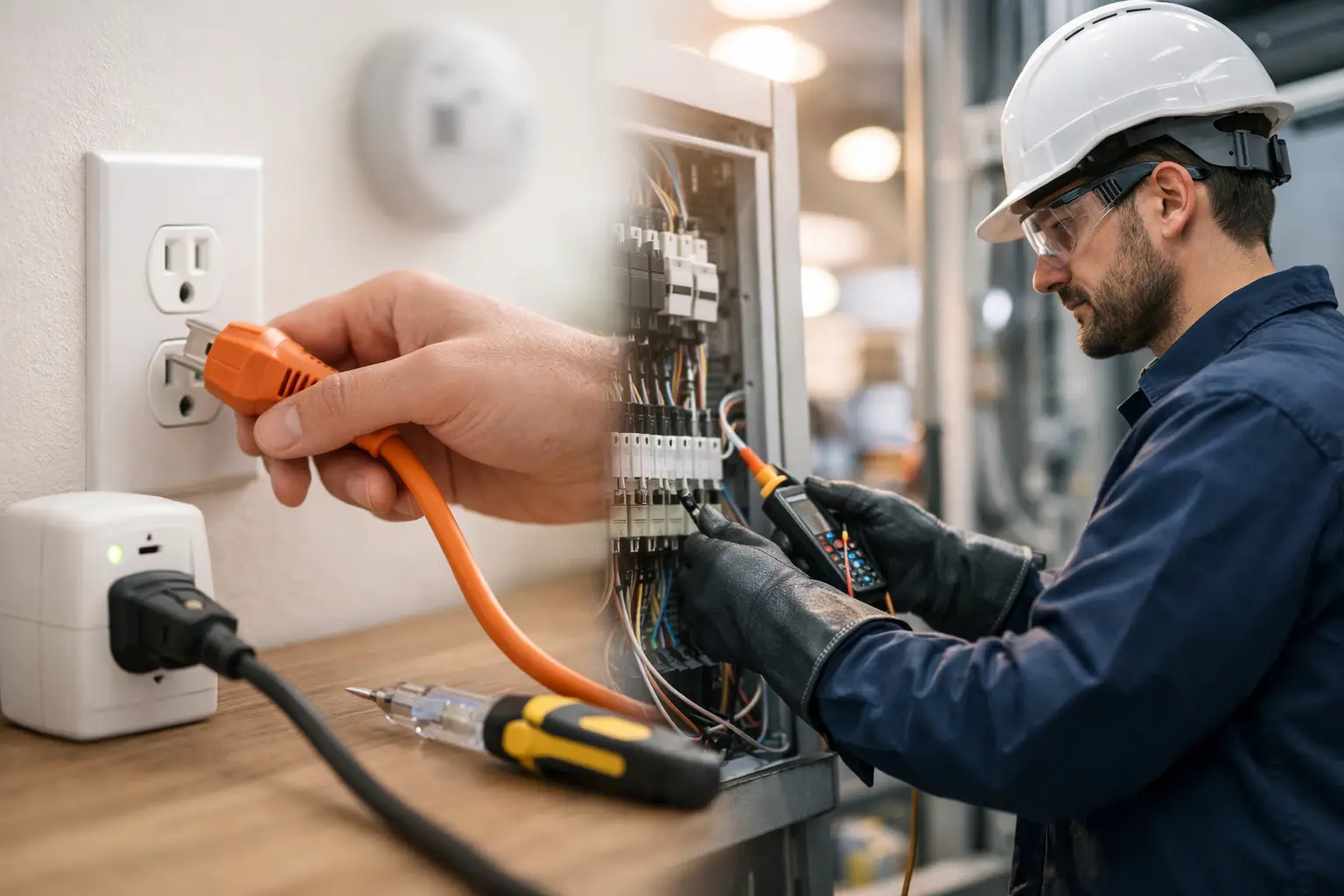
A flickering light, a power point that feels warm, or a breaker that keeps tripping can be easy to put off when life is busy. They are also the kinds of warning signs that deserve prompt attention. Knowing how to improve electrical safety means spotting small issues early, using power correctly and arranging qualified help before a fault becomes a shock, fire or costly outage.
For homeowners, property managers and business operators, the goal is not to become an electrician. It is to make sensible decisions, maintain a safer property and know when work must be carried out by a licensed professional.
Start with the switchboard
Your switchboard is the control point for your property’s electrical system. A modern switchboard with correctly operating safety switches, also known as residual current devices or RCDs, can quickly cut power when it detects an electrical leakage fault. This added protection is particularly valuable in wet areas, outdoor circuits and spaces where appliances see regular use.
If your property still has ceramic fuses, an older-style fuse board, limited circuit capacity or no visible safety switches, an upgrade is worth discussing with a licensed electrician. Older systems were not designed for the way many Australian homes and businesses now use electricity – think reverse-cycle air conditioning, induction cooking, home offices, EV chargers, security equipment and high-demand appliances running at once.
Test safety switches using the test button at the intervals recommended by the manufacturer or your electrician. The switch should trip immediately. If it does not, or if you are uncertain which circuits are protected, arrange an inspection rather than assuming everything is working as it should.
How to improve electrical safety through everyday use
Most electrical safety improvements begin with straightforward habits. Avoid overloading a single power point with double adaptors and power boards, particularly for high-wattage equipment such as heaters, kettles, microwaves, dryers and portable air conditioners. Power boards are useful for low-demand electronics, but they are not a substitute for additional fixed outlets where a room has outgrown its original layout.
Choose power boards with overload protection and a clearly visible approval mark. Keep them off carpet where possible, away from curtains and bedding, and never cover them. Damaged leads should be removed from use straight away. Frayed insulation, loose plugs, scorch marks and a burning smell are not minor cosmetic problems.
Cords need room to do their job safely. Do not run them under rugs, through doorways or across walkways where they can be crushed, pulled or become a trip hazard. In commercial settings, temporary leads should be managed carefully and replaced with permanent electrical solutions when equipment becomes part of the regular workspace.
Water and electricity are an obvious but persistent risk. Keep appliances, chargers and leads away from sinks, baths, pools and wet outdoor areas unless they are specifically rated and installed for that environment. Never handle electrical equipment with wet hands. If an appliance gets wet, turn off power at the source if it is safe to do so, and have it checked before using it again.
Treat repeat faults as a message, not an inconvenience
A circuit breaker trips to protect people and property. Resetting it once after an obvious overload may be reasonable, but repeated tripping needs investigation. The cause could be a faulty appliance, deteriorated wiring, moisture entering an outdoor fitting, an overloaded circuit or a problem within the switchboard.
Start by turning off and unplugging appliances on the affected circuit. If the breaker holds after removing one item, that appliance may be the issue. If the breaker trips again with nothing connected, leave it off and arrange a licensed electrician to inspect the circuit. Do not keep resetting a breaker in the hope that it will stay on.
The same approach applies to lights that flicker, power points that crackle, switches that feel hot, or lights that regularly blow globes. These symptoms do not always mean a major fault, but they are not normal operating conditions either. Early repairs are usually simpler than responding after damage has spread.
Give older properties a proper electrical check
Renovation-era charm can hide ageing electrical infrastructure. Homes and commercial premises with original wiring, old outlets or additions completed over several decades may have circuits that no longer suit current demand. Property managers should also consider the electrical condition of rental properties between tenancies, especially where appliances, smoke alarms or outdoor lighting have changed.
A professional inspection can identify concerns such as aged cabling, poor earthing, overloaded circuits, non-compliant alterations and inadequate protection. It also provides a clearer basis for planning upgrades instead of dealing with a series of urgent call-outs.
Rewiring is not needed in every older building. It depends on the age and condition of the wiring, previous work, property use and the load placed on the system. In some cases, a switchboard upgrade, new circuits and replacement outlets will address the immediate risks. In others, broader rewiring is the safer long-term investment.
Be deliberate with upgrades and new technology
Electrical upgrades should be designed around how the property is actually used. Adding more outlets in a home office, dedicated kitchen circuits, better outdoor lighting or hardwired smoke alarms can reduce reliance on adaptors and temporary fixes. For businesses, capacity planning matters when installing new machinery, server equipment, air conditioning or security systems.
EV chargers deserve particular care. A charger should be assessed and installed as a dedicated solution by a licensed electrician, with the correct circuit protection and capacity for the property. Plugging an EV into a standard outlet as a long-term workaround can place strain on equipment that was not intended for sustained charging loads.
Outdoor electrical work also needs the right products and installation method. Garden lighting, pool-area equipment, exterior power points and security cameras must suit their exposure to weather and be installed with appropriate protection. A neat result is valuable, but safe cable routes, correct ratings and reliable connections matter more.
Keep children, tenants and staff safe
Electrical safety works best when everyone using the space understands the basics. In family homes, fit suitable outlet covers where young children are present and keep charging cables, appliances and power boards out of reach. Teach children never to insert objects into outlets or use electrical items near water.
For rental and commercial properties, clear reporting makes a difference. Tenants and staff should know to report damaged outlets, exposed wires, loose fittings, water leaks near electrical equipment and repeatedly tripping circuits as soon as they notice them. Small maintenance issues can escalate when they are ignored or covered with temporary fixes.
Business owners also need to manage workplace-specific risks. Equipment used in demanding environments may need routine inspection, testing or replacement according to its use and condition. A quiet office has different needs from a workshop, hospitality venue or warehouse. The right maintenance plan depends on the equipment, the environment and the people using it.
Know when to call a licensed electrician
Some jobs are never suitable for DIY. Wiring, switchboard work, new outlets, lighting circuits, hardwired appliances and electrical fault-finding should be left to a licensed electrician. Apart from the safety risk, unlicensed work can create compliance, insurance and property-sale complications.
Arrange professional help promptly if you notice any of the following:
- a burning smell, smoke, sparking or scorch marks around electrical fittings
- a shock or tingling sensation from an appliance, tap, outlet or switch
- repeated circuit breaker or safety switch trips
- hot, cracked, loose or discoloured power points and switches
- damaged service cables, water near electrical equipment or exposed wiring
If there is an immediate danger, keep people away from the area and turn off power only if it is safe to do so. For an electrical emergency involving fire, injury or a fallen powerline, contact emergency services and your electricity distributor as appropriate. Never approach or touch a fallen powerline.
Make safety part of property maintenance
Electrical safety is most effective when it is planned, not postponed. Include a visual check of outlets, leads, lighting and the switchboard in your regular property maintenance routine. Before buying a high-demand appliance or planning a renovation, consider whether the existing electrical system has the capacity to support it.
A licensed electrician can provide practical advice without pushing unnecessary work: what needs urgent attention, what can be planned, and which upgrades will make the biggest difference to safety and day-to-day convenience. At Voltricity, that means clear communication, quality workmanship and solutions tailored to the way your home or business operates.
A safer electrical system is built through the small decisions you make before something goes wrong. If a fault keeps returning or your property’s electrical setup no longer feels fit for purpose, arranging an inspection now can provide clarity and peace of mind.