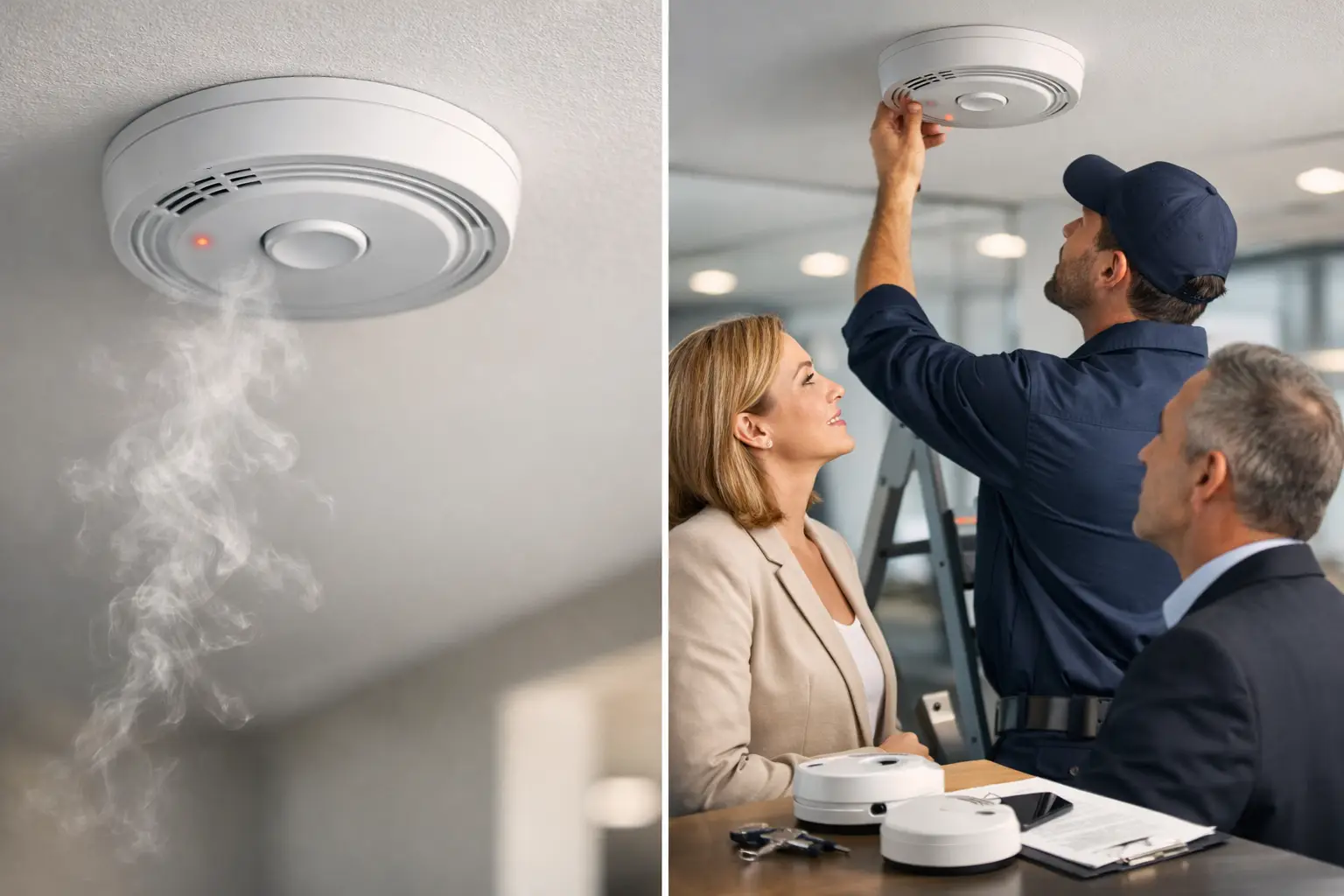
A smoke alarm is only useful if it can detect danger early enough to wake people, alert occupants and support a safe exit. Smoke alarm compliance is therefore more than a box-ticking exercise. It means having the right alarms, in the right locations, properly powered, tested and maintained for the type of property you own or manage.
For homeowners, landlords, property managers and business operators, the practical challenge is that requirements can differ between states and territories, and between residential and commercial buildings. A reliable approach starts with understanding what applies to your property, then having a licensed electrician inspect any gaps or ageing equipment.
What smoke alarm compliance means in practice
Compliance usually comes down to four things: alarm type, placement, power supply and ongoing condition. The exact legal requirements depend on your location and building classification, but an alarm that is missing, expired, disconnected or installed in the wrong place may not meet the intent of the rules or provide the protection occupants need.
In homes, smoke alarms are commonly required near sleeping areas and along escape paths such as hallways. Larger homes, multi-storey dwellings and properties with separated sleeping zones may need additional alarms. The aim is straightforward: if a fire starts while someone is asleep, the alarm needs to be heard before smoke or heat makes escape difficult.
Many newer or upgraded residential systems use hardwired smoke alarms with a battery back-up. Interconnected alarms are also valuable because when one detects smoke, every connected alarm sounds. This can make a significant difference in a larger home, a townhouse or a rental property where bedrooms are separated from living areas.
Commercial properties are different. A shop, office, warehouse, strata common area or accommodation venue may be subject to broader fire detection, emergency lighting, exit signage and fire safety maintenance obligations. A standard domestic smoke alarm is not automatically an appropriate solution for a commercial environment. The building’s use, layout and fire safety systems need to be assessed together.
The most common compliance problems
Smoke alarms tend to be overlooked because they are quiet until they are needed. That is precisely why small issues can sit unnoticed for months or years.
The first common problem is age. Smoke alarms do not last forever. Most units have a service life of around 10 years, although the manufacturer’s instructions should always be checked. An alarm may still chirp, flash or sound during a test after that point, but its sensing components may no longer perform as intended. If the manufacture date is approaching or has passed the recommended replacement period, replacement is generally the sensible option.
The second issue is unsuitable placement. Alarms installed too close to kitchens, bathrooms, ceiling fans or air-conditioning outlets can create nuisance alarms or reduce effective smoke detection. People often respond by removing batteries or disabling the alarm, creating a serious safety risk. Correct placement helps reduce false alarms without compromising coverage.
Third is power supply. A flat battery, disconnected hardwired unit or faulty back-up battery can leave an alarm inoperable. Replacing a battery may stop an annoying chirp, but repeated chirping can also indicate the unit has reached the end of its life or has a fault. It should not be ignored.
Finally, interconnected alarms can fail to communicate if they were not installed correctly, are incompatible or have developed a fault. Testing a single alarm tells you it can sound locally. Testing the system confirms whether the other alarms respond as they should.
Residential smoke alarm compliance for owners and landlords
If you own your home, smoke alarm compliance is a direct investment in your household’s safety. Test each alarm regularly using its test button, keep alarms clear of paint and dust, and replace batteries where applicable. If an alarm is discoloured, damaged, frequently chirps or is nearing 10 years old, arrange an inspection rather than relying on a quick fix.
Landlords and property managers have added responsibilities. Rental property laws in many Australian jurisdictions require smoke alarms to be installed, working and maintained at specified intervals. Responsibilities can be shared between owner, agent and tenant depending on the state or territory, but the property owner cannot assume an alarm is compliant simply because it is mounted on the ceiling.
A documented maintenance process is good practice. It creates a clear record of testing, cleaning, battery replacement and alarm replacement dates. It also helps identify properties where older alarms should be upgraded to interconnected, hardwired units as part of planned maintenance or renovation work.
When renovating, do not treat smoke alarms as an afterthought. New walls, changed room layouts, extensions and additional bedrooms can change the coverage a home needs. Electrical work associated with a renovation is an ideal time to review alarm locations, wiring and interconnection.
Smoke alarm compliance in commercial properties
For business operators, the question is rarely just whether an alarm makes a sound. You need to consider whether the building has the appropriate fire detection and warning arrangements for its classification, occupancy and approved fire safety measures.
A small office may have different needs from a childcare centre, medical practice, retail tenancy, workshop or warehouse. In some premises, smoke detection forms part of a larger fire indicator panel, emergency warning system or monitored alarm arrangement. These systems may require scheduled inspection and servicing by appropriately qualified providers.
There is a trade-off to manage. Installing more devices than necessary can add cost and maintenance without solving the real risk. Installing too little, or using residential equipment where a commercial solution is needed, can expose people and the business to avoidable danger and compliance issues. A site-specific assessment is the right starting point.
Business operators should also consider changes that can affect compliance: a new fit-out, altered floor plan, added storage, change of use, new tenancy or refurbishment. If your premises has changed since the alarms were installed, have the system reviewed before assuming it remains suitable.
When to call a licensed electrician
Basic testing can be completed by an occupant, but electrical installation, hardwired alarm replacement and fault finding should be handled by a licensed electrician. This is especially true where alarms are interconnected, connected to mains power, located on high ceilings or part of a broader security or fire-related system.
Call for professional help if an alarm repeatedly activates without an obvious cause, does not respond to testing, keeps chirping after a battery change, has paint or damage around the sensor, or is nearing the end of its service life. It is also wise to book an inspection when buying a property, preparing a rental home, completing renovations or taking over a commercial tenancy.
A qualified electrician can identify whether the issue is the alarm itself, its location, the power supply or the connection between alarms. They can also recommend practical upgrades that suit the building rather than applying a one-size-fits-all solution.
A safer way to stay on top of it
Set a recurring reminder to test alarms and include smoke alarm checks in your regular property maintenance schedule. Keep a note of installation or replacement dates, particularly where several alarms are installed across a home, rental portfolio or business site. That simple record makes it far easier to plan replacements before equipment becomes unreliable.
If you are unsure whether your alarms meet current requirements, do not wait for a chirp, a tenancy inspection or an emergency to find out. Voltricity can help assess your existing setup and carry out licensed electrical work with clear advice, quality workmanship and a focus on the safety of everyone using the property.