If you are planning a switchboard upgrade, installing an EV charger, fitting larger air conditioning, or setting up equipment for a workshop, the question of single phase vs three phase stops being technical background and starts affecting cost, performance, and what you can run safely. For homeowners and business operators alike, choosing the right supply is less about jargon and more about making sure your electrical system matches how the property is actually used.
What single phase vs three phase really means
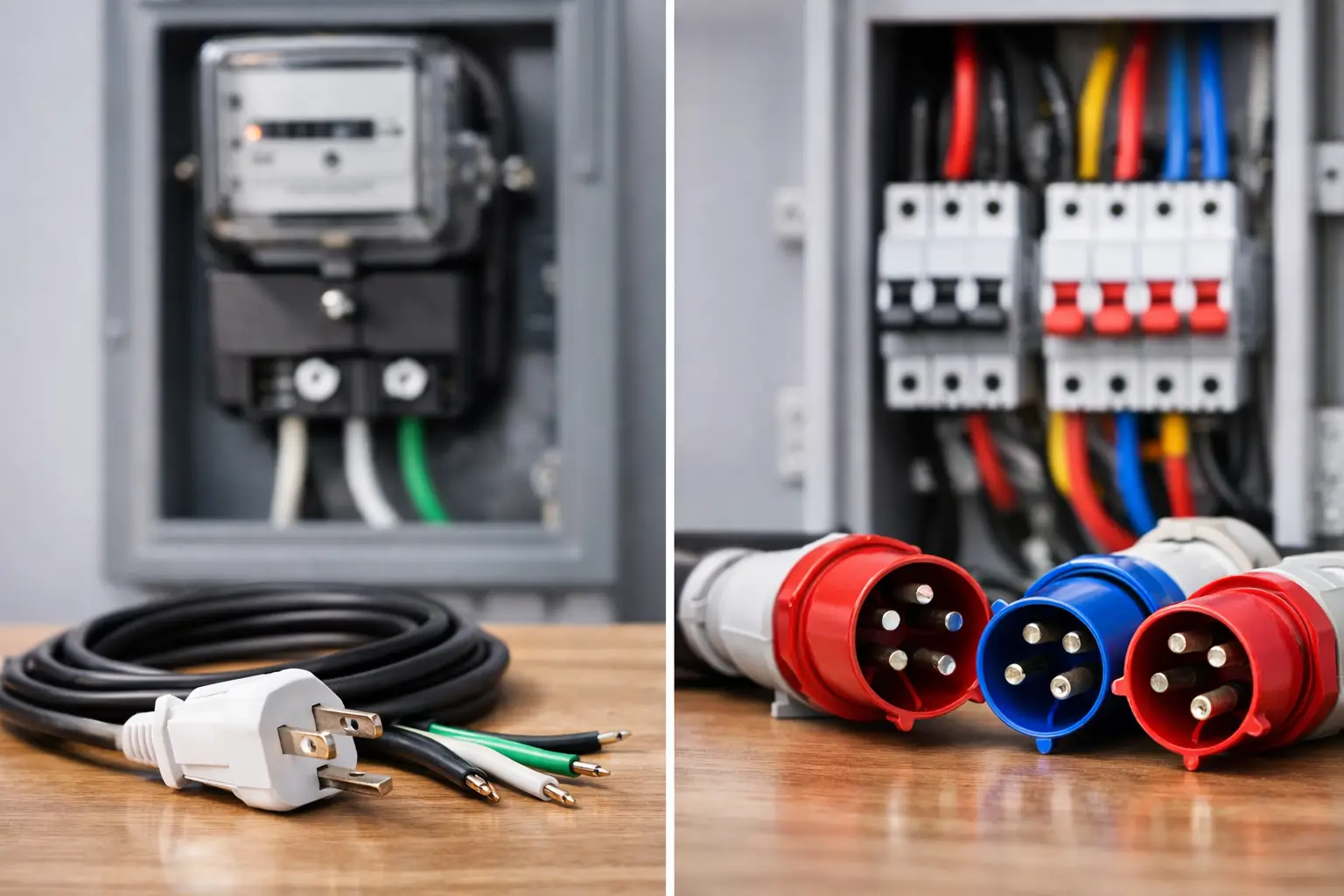
At a basic level, single phase power uses one alternating current waveform, while three phase power uses three waveforms offset from each other. That sounds abstract, but the practical difference is straightforward. Single phase is the standard supply for most Australian homes, while three phase is more common in commercial sites, larger homes with high electrical demand, and properties running heavy-duty equipment.
Single phase is perfectly suitable for everyday living. Lighting, general power outlets, fridges, televisions and many standard appliances are designed around it. Three phase comes into the picture when the load increases and the property needs more power delivered more evenly.
That even delivery matters. Three phase systems provide a steadier flow of power, which helps motors and larger equipment run more efficiently. It can also reduce the strain that comes with trying to run multiple high-demand appliances on a standard residential setup.
How to tell what your property has
The easiest place to check is the switchboard or meter setup, but this is not always obvious if you are not used to looking at electrical infrastructure. In many cases, single phase properties have one main active supply, while three phase properties have three. Your electricity bill, connection paperwork, or previous installation records may also indicate the type of supply.
For most homeowners, the clearer sign is usually practical rather than visual. If your property has standard household appliances and no major power-hungry systems, it is likely single phase. If you have a large ducted air conditioning system, a substantial workshop, commercial kitchen equipment, lifts, pumps, or a fast EV charger, three phase may already be installed or worth considering.
A licensed electrician can confirm this quickly and safely. That is especially important before ordering equipment that may require a specific supply.
Single phase power in homes
Single phase is the most common setup in Australian residential properties because it covers the needs of the average household well. It is simpler, widely available, and usually less expensive to install and maintain where no upgrade is required.
For a typical home, single phase works well for lighting, kitchen appliances, hot water systems, entertainment devices and standard heating or cooling. It also suits many smaller renovations where the electrical load is not changing dramatically.
The trade-off is capacity. As homes add more electrical demand, single phase can begin to feel tight. That might happen when you install an EV charger, upgrade to all-electric cooking, add a pool system, run large air conditioning units, or convert a garage into a serious workshop. You may not notice a problem immediately, but load balancing and circuit planning become more important.
Where three phase makes sense
Three phase is not automatically better for every property, but it does make sense when power demand is higher or more complex. In commercial settings, it is often the practical standard because businesses rely on larger equipment, longer operating hours and more consistent performance.
In residential settings, three phase is often worthwhile for larger homes or homes moving toward full electrification. If you are combining reverse-cycle air conditioning, induction cooking, electric hot water, solar integration, battery systems and EV charging, a three phase supply can provide more flexibility for both current use and future upgrades.
It is also a strong fit for properties with machinery. Workshop tools, compressors, pumps and certain motors often perform better on three phase power. Some equipment requires it outright.
Single phase vs three phase for EV charging
This is one of the most common upgrade questions now, and for good reason. EV charging can place a significant load on a home electrical system, especially if you want faster charging speeds.
A single phase property can absolutely support EV charging. For many households, a single phase charger is sufficient, particularly if the vehicle is parked overnight and charging can happen over several hours. It is often the most cost-effective option because it avoids a major supply upgrade.
Three phase charging is faster where the vehicle and charger support it, and it can be a better fit for households with higher daily driving needs or multiple EVs. It can also reduce some of the compromises around charging times and other household loads.
That said, faster is not always necessary. The right setup depends on the car, the way the property is used, the switchboard capacity, and whether you are planning other electrical upgrades at the same time.
Cost is part of the decision, but not the whole decision
When comparing single phase vs three phase, cost naturally comes up early. If a property already has single phase and everything you need can run safely on that supply, there may be no reason to upgrade. A well-designed single phase installation can still deliver excellent results.
Upgrading to three phase can involve distributor requirements, switchboard changes, new cabling, meter work and coordination with the network provider. The exact cost varies depending on the property, the existing infrastructure and how far the upgrade needs to go.
The more useful question is whether the upgrade solves a real problem or avoids a future one. If your current supply is limiting equipment choices, affecting performance, or forcing awkward workarounds, then a three phase upgrade can be a practical long-term investment rather than an unnecessary expense.
Performance, safety and future planning
Electrical decisions are rarely just about what works today. They are also about what the property will need in the next five to ten years. That is where single phase vs three phase should be looked at as part of a broader plan.
If you are renovating, extending, fitting out a tenancy, or modernising an older property, this is the time to assess capacity properly. Waiting until the system is overloaded or incompatible with new equipment usually costs more and creates more disruption.
Safety matters here too. Overloading circuits, relying on temporary fixes, or adding high-demand appliances to an outdated switchboard is not a smart way to stretch an electrical system. A compliant setup with the right capacity gives you more reliable performance and reduces unnecessary risk.
Common misconceptions
One common assumption is that three phase is only for factories or large commercial buildings. That is no longer the case. Many modern homes have enough electrical demand to justify it, particularly where EV charging, large air conditioning systems and all-electric appliances are involved.
Another misconception is that single phase is somehow inadequate. It is not. For many homes, it remains the right and most economical choice. The issue is not whether one system is good and the other bad. It is whether the supply matches the load.
There is also a tendency to think that if one piece of equipment can run on three phase, the whole property must be upgraded. Sometimes that is true, but not always. Depending on the equipment and site conditions, there may be other workable options. This is why tailored advice matters.
So which one is right for you?
If you are running a standard household with typical appliances, single phase is usually enough. If you are planning an EV charger, major renovation or switch to more electric systems, it is worth checking whether your current supply still makes sense.
If you operate a business, manage a larger property, or rely on machinery and high-demand services, three phase may be the more practical option from the start. It can support heavier loads, improve equipment performance and leave more room for future growth.
The best decision comes from looking at the property as a whole – not just one appliance, one quote or one immediate job. A licensed electrician can assess your existing supply, your switchboard, your expected load and any planned upgrades, then recommend a solution that is safe, compliant and cost-effective.
At Voltricity, that is how we approach electrical upgrades: clear advice, quality workmanship and solutions that fit the way the property is actually used. If you are weighing up your next move, a proper assessment now can save frustration later and give you confidence that your electrical system is ready for what comes next.