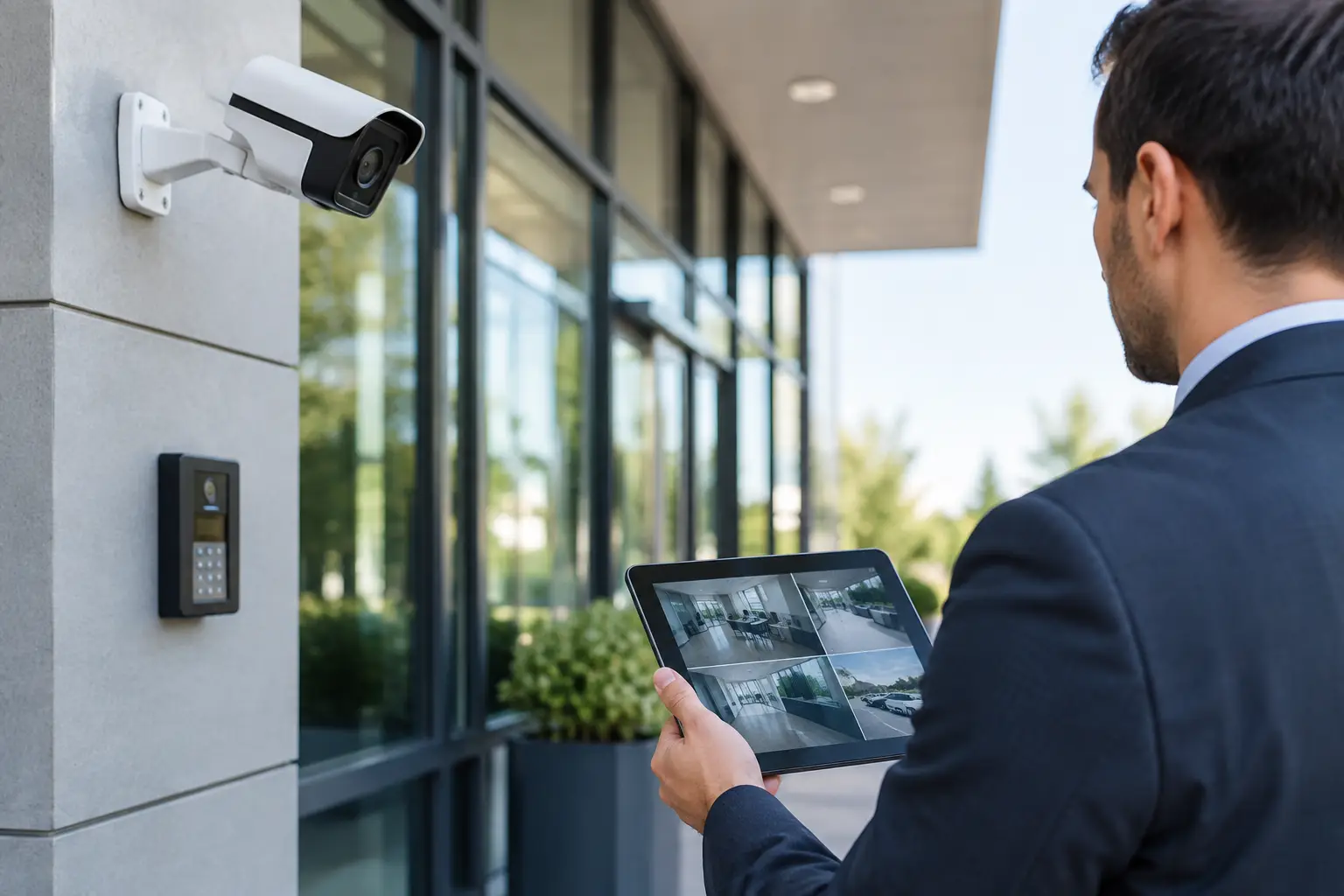
A break-in, staff safety concern or missing stock can quickly expose gaps in a business premises. A commercial security system review gives business owners and property managers a clear picture of what is working, what is outdated and where practical improvements will make the biggest difference.
The right system is not necessarily the one with the most cameras or features. It is the one that suits the site, supports daily operations and gives authorised people reliable information when they need it. For a small office, that may mean controlled entry and a few well-positioned cameras. For a warehouse, retail site or multi-tenancy building, it may require layered coverage across entry points, loading areas, storage zones and common spaces.
What a commercial security system review should cover
A worthwhile review starts at the property boundary and follows the way people, vehicles and goods move through the site. It should consider physical vulnerabilities as well as the performance of existing cameras, alarms, access control and supporting electrical infrastructure.
The process is not just about identifying blind spots. It is about determining whether the system provides usable evidence, alerts the right people and remains dependable during busy periods, after hours and in poor lighting.
Cameras and video quality
A camera that records a doorway is not always a camera that identifies a person. Placement, height, lens selection, lighting and recording quality all affect whether footage is useful after an incident.
During a review, consider the areas where clear vision matters most: public entries, staff-only doors, cash handling points, stock rooms, car parks, loading docks and perimeter gates. Check whether cameras are blocked by signage, shelving, vegetation or glare from windows and external lights. Night vision also deserves attention, particularly around car parks and rear access points.
Recording retention matters as much as live vision. If an issue is discovered several weeks later, footage may already have been overwritten. The appropriate retention period depends on the business, the volume of incidents and any operational or insurer requirements. A larger storage allowance can be sensible, but it needs to be matched with reliable equipment and an understanding of ongoing costs.
Alarm coverage and response
An alarm should do more than make noise. It should detect unauthorised entry in the areas that matter and communicate an alert promptly to the right contact, monitoring provider or security team.
Review the condition and location of sensors, reed switches, keypads, sirens and backup batteries. Older systems can develop faults that are easy to miss until a power outage or genuine alarm event occurs. Consider whether the alarm has separate zones for different parts of the premises, allowing staff to access approved areas without disarming the entire building.
Response arrangements should be clear. If an alarm activates at 2 am, who receives the notification? Can they verify an event through cameras? Is there a current contact list and a process for staff changes? Technology is only part of the solution. A system needs a response plan that people can follow under pressure.
Access control and key management
Traditional keys are simple, but they are difficult to manage once copies circulate among staff, contractors and former tenants. Access control can replace or supplement keys with cards, fobs, PINs or mobile credentials, helping businesses control who enters restricted areas and when.
A review should identify doors that need a higher level of control, such as server rooms, medicine storage, plant rooms, records areas and staff entrances. It should also assess the balance between security and safe egress. Fire safety requirements, emergency exit hardware and accessibility must always be considered as part of the design.
Access reports can be valuable when an incident needs investigation, but only if user records are kept current. Remove credentials promptly when staff leave, and avoid shared PINs where individual accountability is needed.
The commercial security system review questions that matter
Many business owners focus first on equipment specifications. Those details matter, but the better starting point is operational risk. Ask what needs protection, when the site is most vulnerable and what a security event would cost in lost stock, downtime, repairs, insurance excesses or staff confidence.
It also helps to assess how the building is actually used. A medical practice has different privacy considerations from a trade warehouse. A café with early starts needs a different access arrangement from an office with standard hours. A strata-managed commercial building must account for multiple tenants, shared entry points and clear responsibility for maintenance.
Consider these practical questions during the review:
- Can cameras clearly capture faces, vehicle activity and key transactions where required?
- Are there unmonitored entry points, blind corners or poorly lit external areas?
- Can authorised staff enter safely without leaving doors propped open?
- Is footage easy to retrieve and share when needed?
- Does the system keep operating during a power interruption or network issue?
- Are alarm contacts, user permissions and maintenance records current?
The answers will often show that the best upgrade is targeted rather than extensive. Improving exterior lighting, repositioning two cameras and securing a side entrance may reduce risk more effectively than adding equipment in already well-covered areas.
Integration can reduce complexity
When cameras, alarms, access control and lighting are designed together, they can provide a more practical security outcome. For example, motion-triggered lighting can improve camera footage at a rear entry. An access event can be paired with video verification. A controlled door can help prevent unauthorised movement into a stock area without disrupting staff flow.
Integration does involve trade-offs. More connected systems can provide better visibility, but they need careful setup, reliable network capacity and clear user management. Businesses should avoid paying for complicated features that nobody will use, while still allowing room for future growth.
Electrical capacity is another consideration that is sometimes overlooked. Security equipment needs stable power, appropriate protection and tidy, compliant cabling. Older switchboards, overloaded circuits or makeshift power arrangements can affect reliability and create safety concerns. A qualified electrical contractor can assess these foundations while planning the security work, reducing the need to coordinate multiple providers.
Don’t overlook maintenance and cyber security
A security system is not a set-and-forget installation. Cameras need cleaning, batteries need testing, software may need updates and any changes to the building layout can create new blind spots. Regular checks are especially valuable after renovations, tenancy changes or changes to operating hours.
For network-connected systems, cyber security should be part of the conversation. Use strong, unique passwords, limit administrator access, update equipment through approved channels and avoid leaving default credentials in place. Remote viewing is convenient for owners and managers, but it must be configured carefully so it does not become an unnecessary point of exposure.
Privacy also requires sensible handling. Businesses should be clear about where cameras are installed and ensure they are used for legitimate security purposes. Avoid recording areas where people reasonably expect privacy, and restrict footage access to authorised personnel.
Choosing the right scope of work
A professional review should end with priorities, not pressure. Start with urgent issues that create a genuine safety or security weakness, then plan staged upgrades around budget, operational needs and future expansion.
For some premises, a repair and recommissioning of existing equipment will be enough. For others, ageing analogue cameras, unreliable alarms or unmanaged keys may justify a full upgrade. The right approach depends on the condition of the current system, the value of what is being protected and how confidently the system supports staff each day.
Voltricity can assess the electrical and security requirements of commercial premises, then recommend a practical solution built around the way your business operates. Clear advice, compliant installation and reliable workmanship help turn security from an ongoing worry into a well-managed part of the property.
A good security system should not make your workplace harder to use. It should quietly support safer access, clearer oversight and faster action when something is not right.