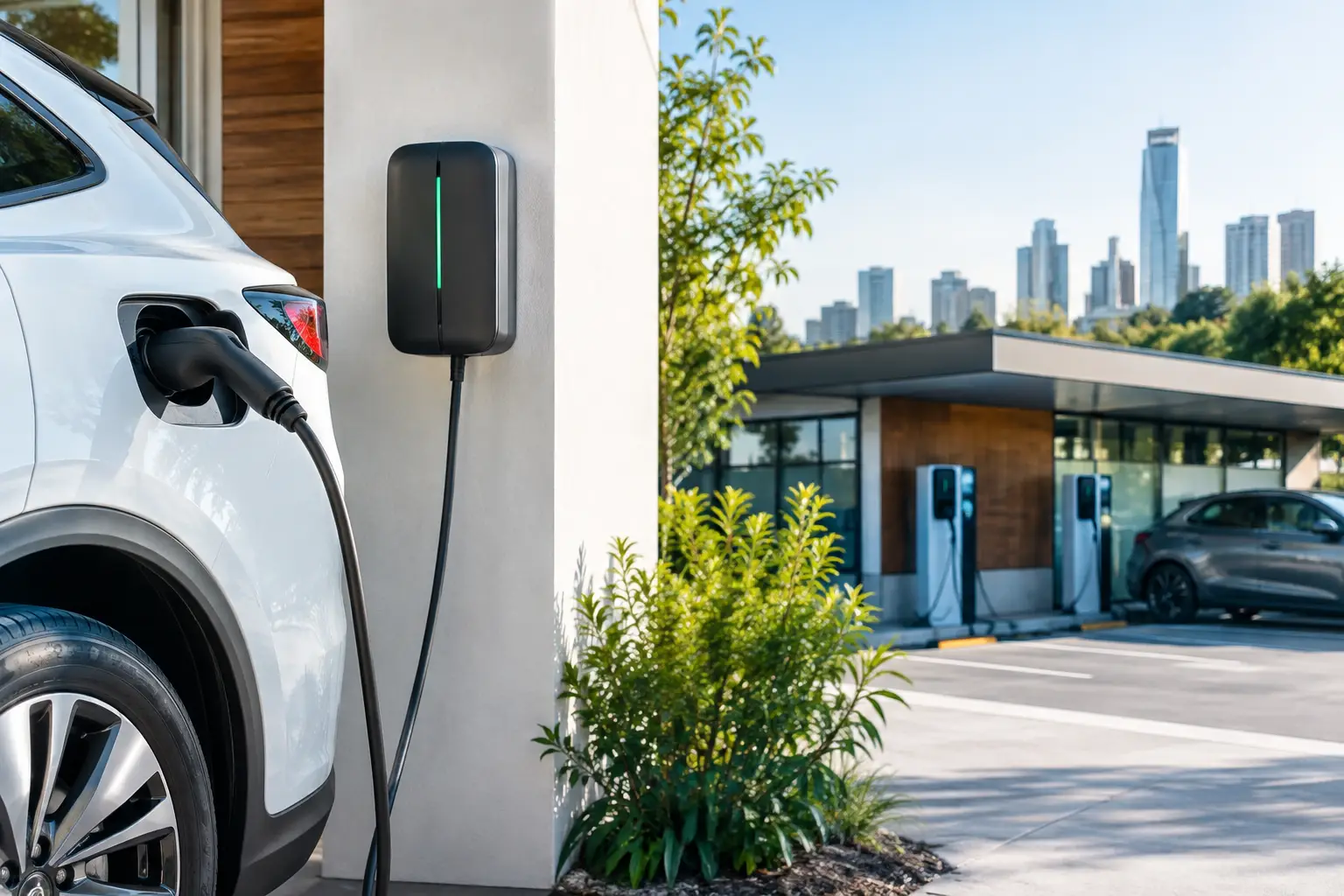
A new electric vehicle can change more than what sits in your driveway. It can change how and when your property uses power. Well-planned EV charging gives you a dependable place to charge, protects your electrical system and makes daily driving simpler. Poorly planned charging can lead to slow charge times, overloaded circuits and expensive rework later.
For most homeowners, charging overnight is the practical answer. For businesses, the right setup may support staff vehicles, customer parking, a growing fleet or a property upgrade that improves long-term appeal. The right solution depends on your vehicle, available power supply, parking layout and how you expect to use the charger.
What EV charging setup is right for your property?
The first decision is not simply which charger to buy. It is understanding what your property can safely support.
A standard domestic power point may be suitable for occasional or low-distance driving, provided the vehicle manufacturer allows it and the circuit is in good condition. However, it is generally the slowest option and should not be treated as a permanent answer for every household. Long charging periods place sustained demand on electrical components, particularly in older homes with limited circuits or ageing switchboards.
A dedicated wall-mounted EV charger is usually a better fit for regular home charging. These chargers are designed for the job, offer faster and more consistent charging, and can be installed with a dedicated circuit and the required safety protection. Depending on the charger and your electrical supply, charging can be configured to suit your household routine rather than competing with every appliance running at once.
For commercial sites, the choice becomes more strategic. A café, office, medical practice, strata property or warehouse may need one charger now but want a design that allows for several later. Installing infrastructure with future expansion in mind can reduce disruption and cost when more charging bays are required.
Single-phase or three-phase power
Many Australian homes have single-phase power, which can still support effective EV charging. Three-phase power can provide greater charging capacity where it is available, but it is not automatically necessary for every household. Your driving habits matter more than chasing the highest possible charging rate.
If your vehicle is parked at home for eight to 10 hours overnight, a correctly installed single-phase charger may comfortably meet your needs. Three-phase charging can make sense for high-kilometre drivers, households with multiple EVs, or properties where quicker turnaround is genuinely useful.
A licensed electrician should assess your supply, switchboard, cable route and existing electrical load before recommending a charger size. This avoids paying for equipment that your property cannot use at full capacity or selecting a setup that leaves no room for the rest of your electrical needs.
Why the electrical assessment matters
An EV charger is a sustained electrical load, not just another item plugged into the wall. It needs to be considered alongside air conditioning, electric cooking, hot water, pool equipment, solar systems, batteries and everyday household demand.
The assessment starts at the switchboard. An electrician will check the condition and capacity of the main switchboard, the available space for protective devices, earthing arrangements and whether the incoming supply can support the proposed charger. Older switchboards may need an upgrade before EV charging can be installed safely and compliantly.
The cable run also matters. A charger located beside the switchboard is usually simpler than one installed at a detached garage, carport or basement parking bay. Distance, underground pathways, wall construction and weather exposure all affect the installation method and final cost. A clear quote should account for these factors rather than relying on a one-size-fits-all price.
For homes with solar, charging during the day may be appealing, especially when the vehicle is parked at home. Some smart chargers can adjust charging to use available solar generation, while others can be scheduled around electricity tariffs. That does not mean solar will charge a vehicle for free every day. Weather, household usage and vehicle battery size still affect the result, but smart scheduling can help you make better use of the power you produce.
Smart charging and load management
Smart charging is useful when a property has competing electrical loads. The charger can be scheduled for off-peak periods, monitored through an app, or configured to reduce its demand when the house or business is using more power.
Load management is especially valuable where upgrading the supply would be costly or unnecessary. Rather than allowing the charger to draw maximum power at all times, the system can respond to total demand and keep the installation within safe operating limits. This can be a practical option for busy households, apartment buildings and commercial premises.
Features vary between charger brands, and not every function is needed at every site. The best choice is the one that works reliably with your vehicle, electrical supply and day-to-day routine without making the system harder to use than it needs to be.
Planning EV charging for a home
The most convenient home charging position is usually where the vehicle is parked most often. That might be inside the garage, under a carport or beside the driveway. The charger should be placed where the cable can reach the vehicle without stretching across a walkway, creating a trip hazard or being exposed to unnecessary damage.
Outdoor installations need equipment suitable for the conditions. Rain, direct sun, dust, vehicle movement and accidental knocks should all be considered. The charging cable needs a tidy storage position, and the charger should be accessible without blocking doors, paths or access to the garage.
It is also worth looking ahead. If a second EV is likely within the next few years, tell your electrician early. A charger can be installed for one vehicle now while the cable pathways, switchboard capacity or load management are planned to support another later. Small decisions during the first installation can make future expansion far easier.
For homeowners renovating or building, EV charging should be included while electrical work is already underway. Running the right cabling before walls are closed or landscaping is finished is generally simpler than retrofitting later.
EV charging for businesses, strata and rental properties
Commercial EV charging needs a clear purpose. A charger for staff has different requirements from public customer charging, fleet charging or resident parking. Before installation, consider who will use the charger, when they will use it, whether access needs to be controlled and how electricity costs will be managed.
An office may benefit from scheduled staff charging during work hours. A retail site may want visible customer charging as an added convenience. A fleet operator may need several chargers working overnight, with load management preventing a costly spike in site demand. Each model affects the charger type, electrical design and operating rules.
For strata and apartment buildings, shared infrastructure requires early coordination. Parking ownership, common property, metering arrangements, cable routes and future demand can all complicate an otherwise straightforward installation. A staged plan often works well: prepare the main electrical pathways and capacity first, then add individual chargers as residents need them.
Property managers should also consider durability and accountability. Commercial-grade equipment, clear signage, protected cable routes and access controls can reduce damage and confusion. Where users pay for charging, compatible metering or payment arrangements should be discussed before equipment is selected.
Safety, compliance and workmanship
EV charger installation is electrical work that should be completed by a licensed electrician. The installation must meet applicable Australian electrical standards and local network requirements, with correct circuit protection, isolation, earthing and cable sizing for the equipment and location.
Avoid relying on extension leads or adapting an existing outlet for long-term charging. Even where a portable charging lead is supplied with a vehicle, the outlet and circuit need to be suitable for the sustained load. If there is any doubt about the condition of the power point, switchboard or wiring, have it checked before charging becomes part of your routine.
A professional installation should finish with testing, clear information about how to operate the charger and documentation for the completed work. At Voltricity, the focus is on assessing the full electrical picture, not simply mounting a unit on the wall. That means recommending a setup that is safe, practical and sized for how the property will actually be used.
Before your EV arrives, arrange an on-site assessment and talk through where you park, how far you drive and what else draws power in the property. A little planning at the start can give you reliable charging every time you come home or open the doors for business.