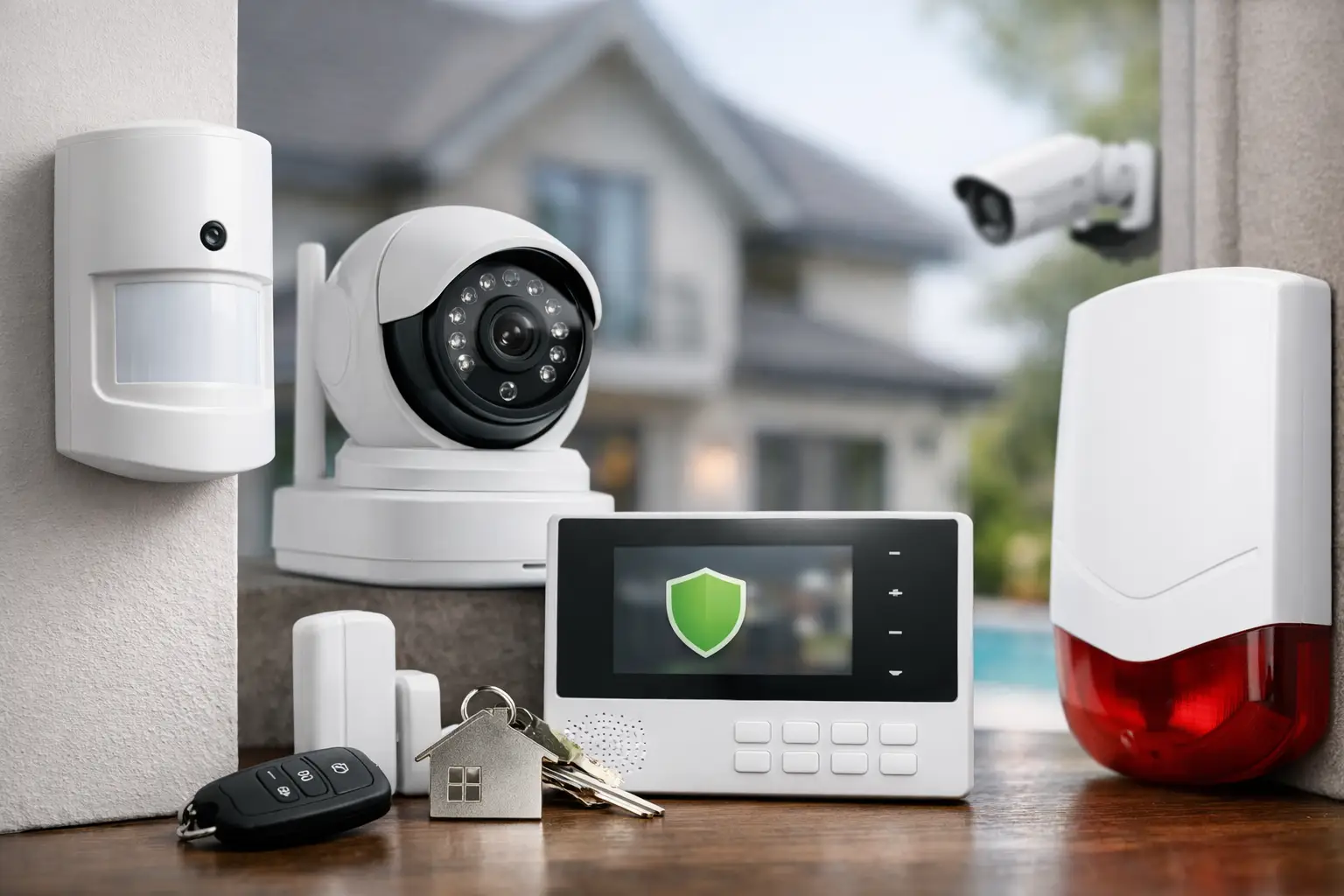
A break-in rarely happens at a convenient time. It can occur while your family is away for the weekend, when a shop is closed, or during a quiet period at a commercial site. The best alarm system features do more than make noise after an intruder enters. They help detect unusual activity early, notify the right people quickly and keep working when power or internet connections fail.
For homes, rental properties and businesses, the right setup depends on the building, daily routines and the level of risk. A compact family home does not need the same protection as a warehouse with multiple entry points, while a retail store may need alarm coverage that works alongside cameras and access control. The goal is a system that is practical, reliable and properly installed – not a collection of expensive features that are never used.
Start with complete, intelligent detection
An alarm is only as effective as the way it detects an intrusion. Quality detection devices should cover realistic entry paths, including external doors, accessible windows, roller doors, rear access points and areas where valuables are kept. A site assessment is valuable here because every property has blind spots that are easy to overlook.
Door and window contacts are a straightforward first layer of protection. They alert the system when an opening is breached and are particularly useful for homes, offices and ground-floor commercial spaces. Motion sensors add another layer by monitoring internal movement after the system is armed.
The best systems use pet-aware motion detectors where needed. These can reduce false alarms caused by dogs or cats moving through the house, but correct placement still matters. A detector aimed at a stairwell, a sunny window or a heating vent can produce nuisance activations, even with good equipment.
For higher-risk areas, glass-break detectors, vibration sensors and roller-door contacts may also be appropriate. These are not essential in every installation. They make sense where there is a known vulnerability, stock storage, tools, equipment or valuable assets that deserve extra protection.
Best alarm system features for fast response
A loud external siren can discourage an intruder and alert neighbours, but sound alone is not enough. If no one is nearby to respond, an alarm needs a dependable way to send notifications.
Smart app alerts are one of the most useful modern features. They can notify nominated users through a mobile app when the system is armed, disarmed or triggered. For a homeowner, that may mean knowing immediately that a rear door was opened. For a business owner or property manager, it can provide clear visibility across one or more sites without needing to be on location.
Professional monitoring adds another response option. When an alarm is activated, a monitoring centre can assess the event and follow an agreed response plan, such as contacting keyholders or emergency services where appropriate. Monitoring has an ongoing cost, so it is worth considering the real consequences of an after-hours break-in and whether someone can reliably respond to app alerts.
A quality communication path is equally important. Systems that rely only on a home internet connection may be vulnerable if the router is switched off, cables are damaged or there is an outage. Dual-path communication, often combining an internet connection with a mobile network backup, gives greater confidence that alerts can still get through.
Backup power is not optional
Power interruptions are common during storms, local works and unexpected faults. A well-designed alarm system should include a battery backup so it remains active during a blackout. The system should also advise users when its battery is low or needs replacement.
Backup power is particularly important for commercial premises, where an outage may otherwise leave stock, tools or sensitive equipment unprotected overnight. It is also helpful for homes in areas affected by severe weather. When comparing systems, ask how long the backup battery is expected to operate and what functions remain available during an outage.
The same thinking applies to communication. Mobile backup helps protect against internet failures, while tamper alerts can notify you if someone attempts to interfere with the panel, siren or cabling. These details may not be the most visible features, but they are often what separate a dependable security system from a basic one.
Simple control makes a system more likely to be used
An alarm should be easy for every authorised person to operate. If arming the property is confusing or disarming it causes regular mistakes, users may stop using the system properly. Look for a clear keypad, individual user codes and mobile app control where it suits the household or workplace.
Individual codes are especially useful in commercial settings. Staff can be given their own access credentials, rather than sharing one code across the team. When an employee leaves, their code can be removed without changing access for everyone else. Event logs can show when the alarm was armed or disarmed and by which user, helping managers investigate issues without relying on guesswork.
Remote access is convenient, but it should be set up carefully. Use strong, unique passwords, enable multi-factor authentication where available and review user permissions regularly. The convenience of controlling an alarm from a mobile should never come at the expense of system security.
Integration can make security easier to manage
For many properties, an alarm works best as part of a wider security plan. Cameras can help verify what triggered an alert. Access control can restrict entry to staff-only areas. Security lighting can make entry points more visible and reduce dark areas around the building.
Integration should serve a clear purpose, rather than adding complexity. For example, a small business may benefit from alarm notifications linked to a camera view of the front entry. A larger site may need access control records, cameras and alarm zones managed through coordinated systems. At home, a simple alarm with a few well-placed cameras may be more practical than a highly automated setup that is difficult to maintain.
It is also worth separating intrusion alarms from fire safety systems. Smoke alarms and fire detection have different requirements, and a security alarm should not be treated as a substitute for compliant smoke alarm installation and maintenance.
Zone design matters more than sensor numbers
A good system divides a property into zones that make sense. This allows different areas to be armed independently and makes notifications more useful. You might arm the garage and downstairs living areas overnight while leaving bedrooms unarmed, or secure a warehouse storage area while office staff work at the front of the building.
For businesses, zoning can make late shifts and cleaning access far easier to manage. For homes, it can support night arming without restricting normal movement through selected rooms. A clear zone layout also gives you better information during an activation, such as whether the alarm was triggered at the side gate, reception door or rear storeroom.
Wireless sensors are often useful in existing buildings because they can reduce disruption to walls and finishes. Wired systems can be an excellent choice during construction, major renovations or where long-term hardwired reliability is preferred. Neither option is automatically better. The building layout, distance between devices, future expansion plans and installation conditions all influence the right approach.
Choose equipment that can grow with the property
Security needs change. A family may add an extension, install a detached garage or start working from home. A business may expand its floor area, add stock rooms or take on more staff. Choosing a system with capacity for additional sensors, users and integrations can avoid a full replacement later.
That does not mean overbuilding from day one. Start with the entry points and areas that matter most, then select a panel that gives room to add coverage when needed. A professional installer can explain what is essential now and what can be staged as your needs or budget change.
Reliable equipment also needs servicing. Batteries, sensors, communication modules and sirens should be checked periodically, particularly before holiday shutdowns or long periods away from a property. Test alerts, confirm keyholder details and make sure staff or family members understand how to use the system.
Installation quality protects the value of the system
Even the best equipment can perform poorly when sensors are badly positioned, communication is unreliable or cables are exposed. Installation should account for building materials, likely movement patterns, pets, lighting, access points and the way people use the site each day.
At Voltricity, security system recommendations are based on the property and the outcome you need, whether that is a straightforward home alarm or a coordinated solution for a commercial site. Clear advice, neat installation and proper handover help ensure the system remains useful long after installation day.
The right alarm system should give you confidence without becoming another thing to manage. Choose features that improve detection, communication and everyday usability, then have the system installed and maintained by a qualified professional who will take the time to explain how it works.