A warm power point, flickering lights in one room, or a circuit breaker that trips whenever the kettle is on can be easy to dismiss. But electrical safety is not about waiting for a major failure. It is about recognising small warning signs early, protecting the people who use your property, and keeping your electrical system fit for the way you live or work.
For homeowners, property managers and business operators, a safe electrical installation should work quietly in the background. When it does not, a prompt inspection by a licensed electrician can prevent damage, disruption and potentially serious harm.
Why electrical safety deserves attention
Electrical systems age, and the demands placed on them change. A home built before widespread use of air conditioning, large televisions, induction cooktops, home offices and EV chargers may not have been designed for the load it now carries. The same applies to commercial spaces where extra workstations, equipment, refrigeration or security systems have been added over time.
The issue is not always the visible wiring. Older switchboards, loose connections, damaged outlets and circuits that have been modified without proper planning can all create risk. Electrical faults are a common cause of property damage and fire, but many are preventable with correct installation, maintenance and timely upgrades.
There is also a practical cost to ignoring warning signs. Repeated outages can interrupt business, affect tenants and damage sensitive equipment. At home, unreliable power can make everyday routines frustrating before it becomes a larger safety concern.
Signs you should call a licensed electrician
Some electrical issues need urgent attention, while others can be booked as soon as practical. Either way, property owners should not attempt to repair fixed wiring, switchboards or outlets themselves. Australian electrical work must be completed by a licensed electrician, and for good reason.
Arrange an inspection if you notice several of the following signs:
- Circuit breakers or safety switches trip repeatedly.
- Power points, switches or plugs feel hot, look discoloured or smell burnt.
- Lights flicker, dim or surge when appliances start.
- You receive tingles from taps, appliances or metal fittings.
- Cords are frayed, plugs are damaged, or power points are loose in the wall.
- Extension leads and power boards are being used as permanent solutions.
A single tripped safety switch does not always mean there is a major fault. It may be responding exactly as it should after an appliance issue or moisture exposure. Repeated tripping, however, is a signal to investigate rather than continually reset the switch.
If there is smoke, sparking, a burning smell, exposed live wiring or an electric shock, keep clear of the affected area where safe to do so. Turn off power at the main switch only if it is safe, and seek urgent professional assistance. Do not touch damaged equipment or attempt to locate the fault yourself.
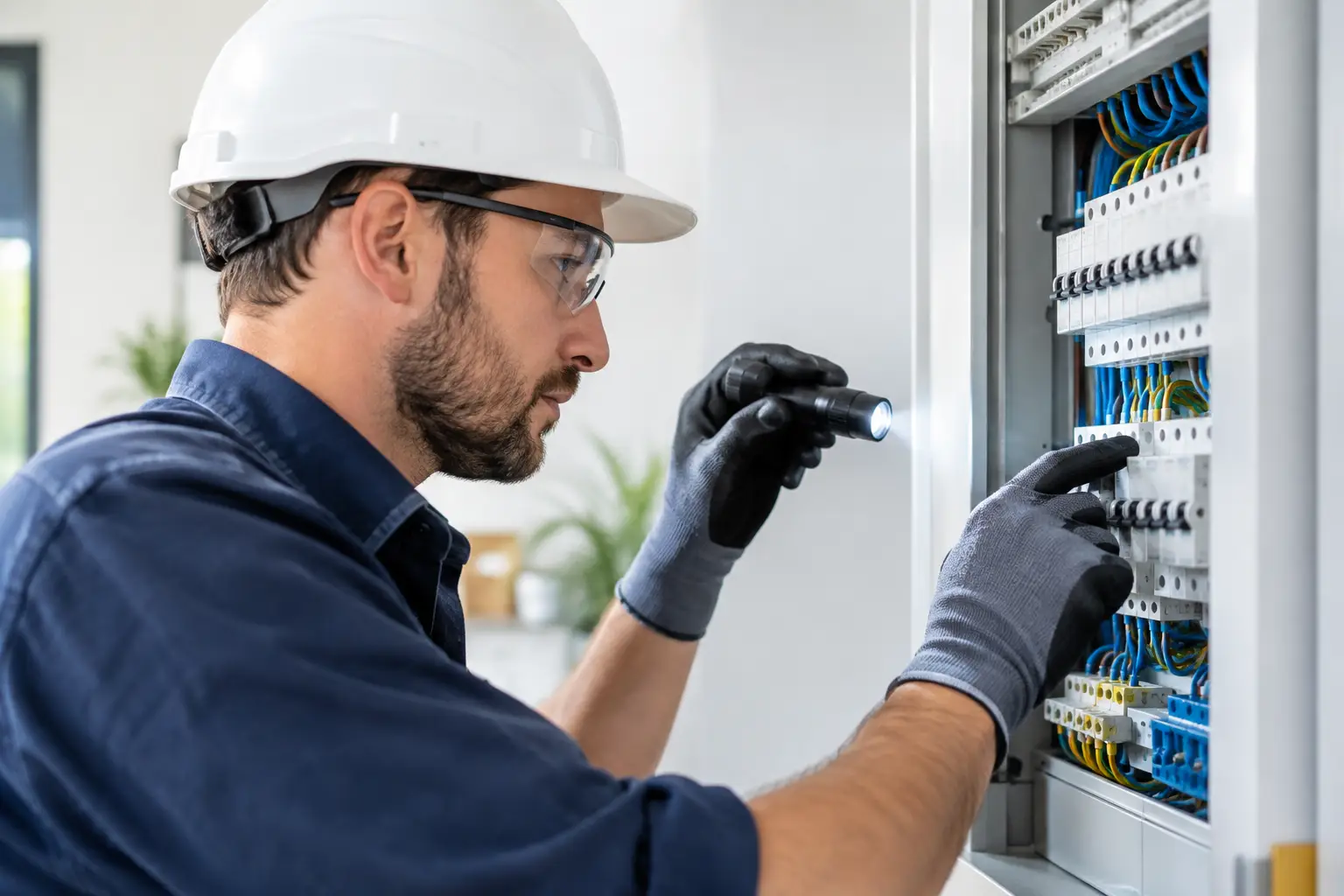
Start with the switchboard
Your switchboard is the control centre of your electrical system. It distributes power throughout the property and contains the protective devices that respond when something goes wrong. Older switchboards may use ceramic fuses or lack adequate safety switch protection, leaving homes and businesses less protected than modern installations.
Safety switches, also called residual current devices or RCDs, are designed to cut power quickly when they detect an electrical leakage fault. They are particularly valuable in areas where people may come into contact with water, such as bathrooms, kitchens, laundries and outdoor spaces. Circuit breakers protect wiring and equipment from overloads and short circuits. Both have a role, and one does not replace the other.
A switchboard upgrade may be worthwhile if your board is outdated, frequently overloaded, difficult to label, or unable to support planned additions such as solar equipment, air conditioning, new circuits, an EV charger or a security system. The right solution depends on the condition of the existing installation and the expected electrical load. An inspection allows a licensed electrician to assess this properly rather than recommending a one-size-fits-all upgrade.
Test safety switches, but do it carefully
Most safety switches have a test button. Testing them periodically helps confirm that the mechanism trips as intended. Before testing, save work on computers and make sure appliances that should not lose power are managed appropriately. Press the test button and confirm the switch moves to the off position, then reset it.
If it does not trip, will not reset, or power remains off after resetting, contact a licensed electrician. Do not force the switch or assume the problem will resolve on its own. Commercial properties should also consider how testing affects critical equipment, alarms, refrigeration and communications before scheduling it.
Everyday habits that reduce electrical risk
Good electrical safety is built into daily use, not just major upgrades. Keep power points and electrical equipment dry, and avoid using appliances with wet hands. In bathrooms, kitchens and outdoor areas, use fittings that are suitable for the environment and installed correctly.
Avoid overloading a single outlet with double adaptors or multiple high-demand appliances. A power board with overload protection can be useful for low-to-medium demand equipment, but it is not a long-term substitute for additional properly installed outlets. Heaters, kettles, microwaves, toasters and portable air conditioners can draw significant power, so they should generally be plugged directly into a wall outlet.
Extension leads are designed for temporary use. Running one permanently under a rug, through a doorway or across a busy walkway risks damage to the cable and creates a trip hazard. If an outlet is not where you need it, installing one in the right location is the safer and more convenient option.
Outside, inspect garden lighting, outdoor outlets and exposed cables after severe weather or landscaping work. Water, UV exposure, soil movement and accidental damage from gardening tools can all affect external electrical installations. Outdoor lighting and power points should be selected and installed for their location, not simply treated as indoor products placed outside.
Renovations, upgrades and new technology
Renovations often uncover electrical issues that were hidden behind walls, ceilings or cabinetry. If you are updating a kitchen, bathroom, office or retail space, involve an electrician early. This makes it easier to plan outlet locations, lighting, data points, ventilation, appliance circuits and switchboard capacity before surfaces are finished.
Lighting design is also an electrical safety consideration. Well-placed lighting reduces trip hazards at entry points, stairs, car parks, pathways and work areas. Exterior and landscape lighting can improve visibility and security, provided cables, transformers and fittings are installed to suit the conditions.
EV charging is another area where professional assessment matters. A standard outlet may not be appropriate for ongoing vehicle charging, especially where the property already has substantial electrical demand. A dedicated EV charger circuit, correctly sized cabling and switchboard assessment help support reliable charging while protecting the installation.
For businesses, security cameras, access control and alarm systems should be integrated thoughtfully with the electrical infrastructure. Poorly placed power supplies, overloaded circuits and untidy cabling can affect reliability and create maintenance headaches. A coordinated installation gives you a cleaner result and a system that is easier to manage over time.
Electrical safety for rental and commercial properties
Property managers and business owners have an added responsibility to keep electrical installations safe for tenants, staff, customers and contractors. Regular inspections are particularly useful in older properties, high-use premises and sites where equipment is frequently moved or changed.
Portable appliances in workplaces may need testing and tagging depending on the environment, the equipment and site requirements. This is different from inspecting fixed wiring, which requires its own assessment. A warehouse, café, office and construction site all carry different risks, so the maintenance approach should reflect how the premises operate.
Clear communication also matters. Label switchboards accurately, keep access to electrical panels clear, and make sure staff know what to do if a safety switch trips or an electrical fault is suspected. These small measures can reduce downtime and help prevent unsafe decisions during a busy shift.
Choose workmanship that lasts
The cheapest option can be expensive when electrical work needs to be corrected, expanded or repaired shortly afterwards. Look for a licensed electrician who explains the scope clearly, provides transparent pricing, uses suitable products and stands behind the workmanship. For larger projects, a proper site assessment is worth the time because it identifies constraints before work begins.
Voltricity helps homeowners and businesses with practical electrical upgrades, maintenance, lighting, switchboards, EV charging and integrated security solutions. The focus should always be on work that suits the property, meets current requirements and remains dependable long after installation day.
If something in your property does not feel right electrically, trust that instinct. Booking a professional inspection early is a straightforward way to protect your people, your equipment and the place you rely on every day.