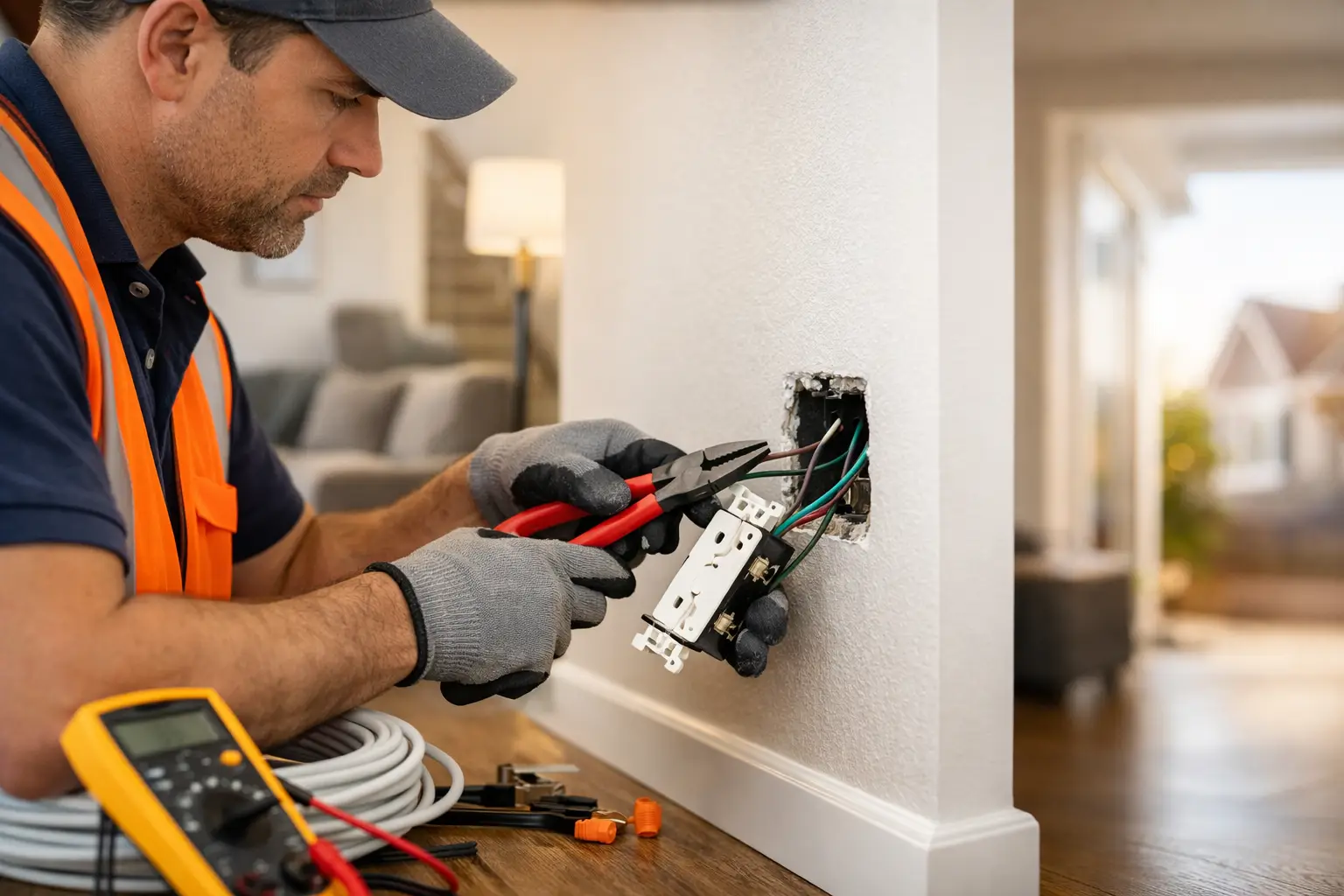
A home can look well maintained while its wiring is quietly past its best. Flickering lights, warm power points and circuits that trip when the kettle and microwave run together are not just inconveniences. They can be signs that it is time to consider professional residential rewiring services that make your electrical system safer, more capable and ready for how you live now.
For homeowners, rewiring is a significant project. It can involve access to walls and ceilings, careful planning around daily routines, and decisions about future power needs. Done properly by licensed electricians, it is also one of the most valuable safety upgrades you can make to an older property.
When does a home need rewiring?
Electrical wiring does not come with a fixed replacement date. Its condition depends on the age of the home, the type of cable and fittings used, previous alterations, moisture exposure and the demands placed on the system over time. A house built decades ago may still have sections of sound wiring, while another property of a similar age may need more extensive work.
Certain warning signs deserve prompt attention. Frequent circuit breaker trips, blown fuses, buzzing switches, discoloured outlets and a burning smell near electrical fittings should never be ignored. So should lights that dim when appliances start, power points that feel warm, or extension leads being used as a permanent solution because there are not enough outlets.
Older homes can also contain outdated wiring arrangements that were not designed for modern appliances, home offices, air conditioning, induction cooking, entertainment systems or electric vehicle charging. Even when nothing appears visibly wrong, an electrical inspection can identify whether the installation is safe, compliant and suitable for current use.
What residential rewiring services involve
Rewiring is more than replacing a few visible cables. A complete or partial rewire usually starts with an assessment of the existing installation, including the switchboard, circuits, power points, lighting, earthing and safety switches. Your electrician can then explain what needs immediate attention, what can be retained, and what upgrades will give the best long-term result.
The work may include replacing old cable, installing new circuits, upgrading power points and switches, improving earthing, fitting safety switches and modernising the switchboard. In some homes, the job also creates the opportunity to improve lighting layout, add outdoor power, install smoke alarms, prepare for solar or make provision for an EV charger.
The right scope depends on the property. A targeted rewire may be appropriate for a kitchen renovation, an extension or a problem circuit. A full rewire is often the better choice where wiring is broadly outdated, damaged or unable to safely support the household’s electrical load. A licensed electrician should clearly explain the difference rather than treating every home as the same job.
A planned approach protects your home
Good planning reduces disruption and prevents costly changes later. Before work begins, consider how each room is used now and how it may be used in the future. A spare bedroom may become a study, a garage may need workshop power, or a living area may benefit from extra power points and better lighting control.
Electricians can map out circuits so high-demand appliances have appropriate supply and everyday use is more practical. This is particularly useful in kitchens, laundries and home offices, where power boards and double adaptors are often a sign that the original design no longer suits the space.
Where possible, wiring routes are selected to minimise disturbance to walls, ceilings and finishes. Some access work is unavoidable, especially in homes with limited roof or underfloor access, but an experienced team will discuss this upfront and coordinate the job carefully with your renovation schedule, plasterer or builder.
Safety and compliance are not optional
Electrical work in a home must be completed by appropriately licensed electricians. Rewiring is not a DIY task, and it is not a job for shortcuts hidden behind plasterboard. Poor connections, undersized cable, inadequate protection and untested circuits can create fire and shock risks that may not show up immediately.
Professional rewiring work should be designed and installed in line with applicable Australian electrical requirements. Just as importantly, it should be tested before handover. Testing confirms that circuits, safety switches, earthing and protective devices are operating as intended, giving you confidence that the work has been completed properly.
If your home has an older fuse board or lacks modern safety switches, a switchboard upgrade may be recommended alongside rewiring. The switchboard is the control point for your home’s electrical system. Modern circuit protection and clearly labelled circuits make faults easier to isolate and add another important layer of protection for your household.
Rewiring during a renovation makes sense
If walls are already open for a renovation, it is usually the most efficient time to inspect and upgrade wiring. Access is easier, repair work is reduced, and you can position outlets, lighting and switches around the finished layout rather than trying to work around an old plan.
A kitchen renovation is a common example. New ovens, cooktops, dishwashers and rangehoods can change the electrical load considerably. Bathrooms, laundries and outdoor entertaining areas also have specific electrical requirements due to water exposure and appliance use. Addressing wiring early avoids last-minute changes that can delay the project or increase costs.
It is also worth planning for practical upgrades that may not be installed immediately. Allowing capacity for an EV charger, additional air conditioning, solar equipment, security cameras or automated gates can save time and disruption later. Future-proofing does not mean paying for every feature today. It means making considered provisions while access is available.
What affects the cost of a rewire?
The cost of residential rewiring services depends on the size and construction of the home, the condition of the existing wiring, access to roof and underfloor spaces, the number of circuits required and the level of finish involved. A single-storey weatherboard home with accessible roof space can be very different from a double-storey brick property with concealed wiring and recently finished interiors.
The scope of upgrades matters too. Replacing cables alone is different from installing a new switchboard, adding power points, redesigning lighting, fitting smoke alarms and allowing for future technology. A clear on-site assessment is the best way to receive a meaningful quote rather than a vague estimate that changes once work begins.
Price should not be the only decision point. Look for clear communication, appropriate licensing, transparent inclusions, quality materials and workmanship backed by a warranty. A cheaper option that overlooks underlying issues can lead to further call-outs, damaged finishes or a system that still does not meet your household’s needs.
Preparing your household for the work
Rewiring can be managed with far less stress when expectations are clear. Your electrician should advise whether power outages will be required, which rooms need access, how long each stage is likely to take and whether you can remain in the home during the work. For a full rewire, temporary power arrangements or a short stay elsewhere may be more practical in some cases.
Before the appointment, clear furniture away from work areas where possible and identify any sensitive equipment, alarms or medical devices that rely on power. Let the electrician know about recent renovations, known electrical faults, roof access restrictions and plans for major appliances. These details help prevent surprises and support a safer, more efficient job.
Choose a team that looks beyond the cable
The best rewiring outcome is not simply new wiring in old locations. It is an electrical system designed around the way your home works: safe circuits, enough power where you need it, reliable lighting, modern protection and room to adapt over time.
Voltricity takes a practical, consultation-led approach to rewiring, with licensed workmanship, clear communication and solutions tailored to the property. If you have concerns about ageing wiring or are planning a renovation, arranging an electrical assessment now can turn an unknown risk into a clear, manageable plan for a safer home.