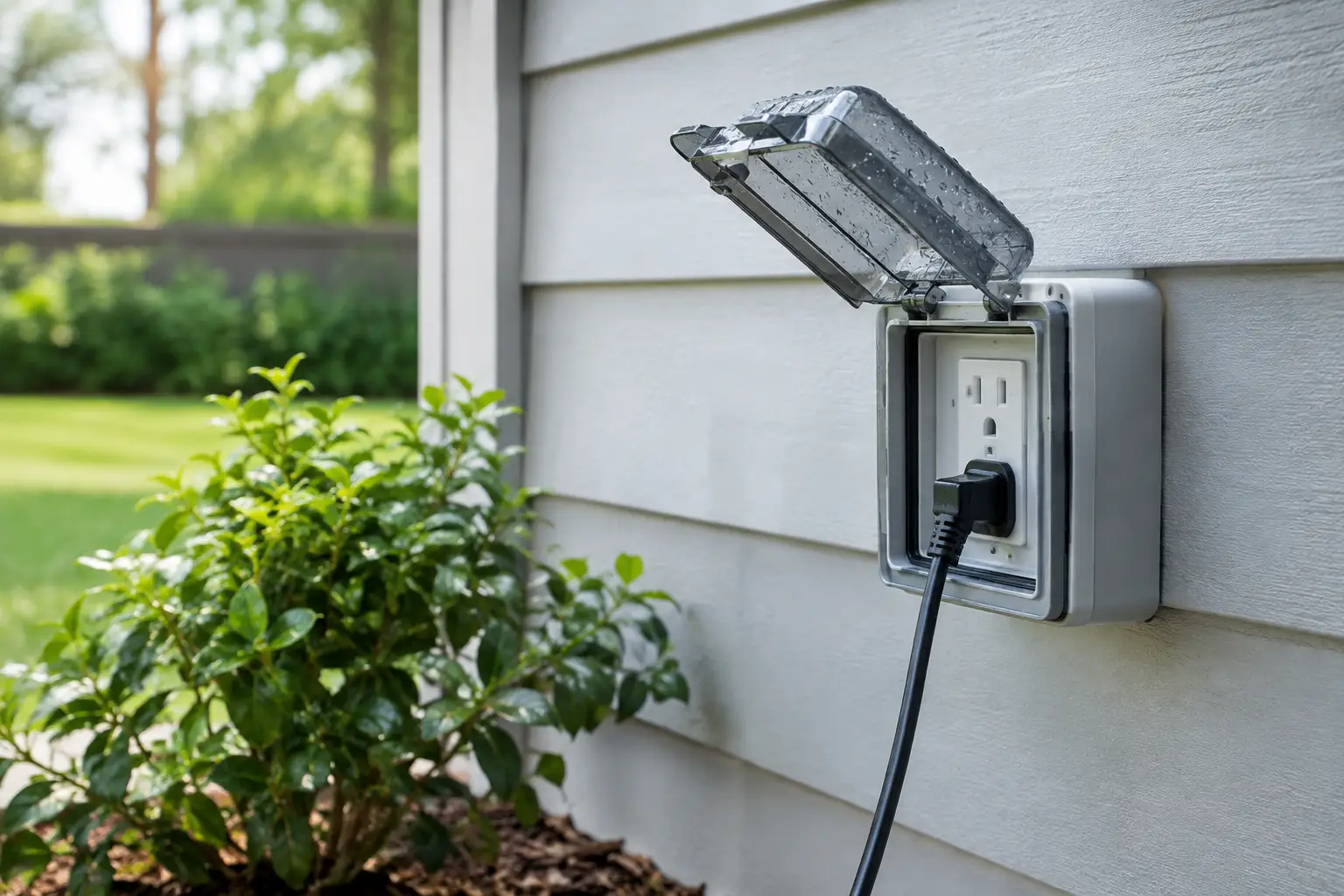
An outdoor powerpoint can make a backyard far more useful – until rain enters the fitting, a cracked cover exposes live parts, or an overloaded extension lead becomes a trip hazard. Knowing how to protect outdoor powerpoints is about more than keeping them tidy. It helps protect people, appliances and the electrical system that supports your home or business.
Outdoor electrical work needs to cope with weather, UV exposure, moisture, dust and everyday knocks from garden tools, bins, furniture and vehicles. A powerpoint that looks fine at a glance may not be suitable for its location, particularly on older properties or where outdoor areas have changed over time. The safest approach is to match the fitting, installation and usage habits to the environment.
Start with a weatherproof outdoor outlet
A standard indoor double powerpoint is not designed for an exposed wall, patio, garden or commercial loading area. Outdoor powerpoints should be purpose-made weatherproof fittings, selected for the conditions where they will be installed.
Look for an appropriate IP rating, which indicates how well an enclosure resists dust and water. The right rating depends on whether the outlet is under a fully covered alfresco area, exposed to wind-driven rain, installed near a pool zone, or located in a dusty work area. Higher protection is not automatically necessary everywhere, but an electrician should assess the actual exposure rather than relying on a cover alone.
A hinged weatherproof lid is useful because it shields the socket when it is not in use. Where a lead needs to stay connected, choose a fitting designed to maintain protection around the plug and cable. Simply leaving a standard outlet open beneath a loose plastic cover is not a reliable long-term solution.
The location matters as much as the outlet itself. Powerpoints should be positioned away from areas where water pools, irrigation sprays directly, or garden hoses are regularly dragged across the wall. They also need to be high enough to avoid splashback and accidental impact, while remaining accessible for safe use.
How to protect outdoor powerpoints from water
Water and electricity are a poor combination, and outdoor moisture does not only come from heavy rain. Morning dew, coastal salt air, pressure washing, condensation and sprinkler overspray can all affect outdoor fittings over time.
Keep the lid closed whenever the powerpoint is not being used. It sounds simple, but open covers are one of the most common ways dirt and moisture enter an outlet. If a cover is cracked, warped, loose or no longer closes properly, arrange for it to be replaced promptly.
Avoid mounting outdoor powerpoints where they will be routinely hit by a sprinkler. Redirect irrigation heads if necessary, and check that new landscaping has not created drainage issues near electrical outlets. On commercial sites, consider wash-down areas, loading bays and outdoor plant equipment when deciding where power should be available.
Do not use a hose or pressure cleaner around powerpoints, exterior lights or electrical enclosures. If the area needs cleaning, isolate the circuit first and use a method appropriate for the surface. Water can enter behind a fitting even when the front appears sealed.
If you notice moisture inside the cover, corrosion on the socket, discolouration, a burning smell or a tripping safety switch, stop using the outlet. Do not attempt to dry it with a hair dryer or investigate inside the fitting. Switch off the relevant circuit if it is safe to do so and contact a licensed electrician.
Protect the circuit, not just the outlet
A weatherproof cover is only one layer of protection. Outdoor circuits should also have suitable RCD protection, commonly called a safety switch. An RCD is designed to disconnect the power quickly when it detects an electrical fault, reducing the risk of serious electric shock.
Many modern switchboards include RCD protection, but older homes and commercial premises may have incomplete protection, outdated equipment or circuits that need review. If you are adding outdoor power for a spa, pool equipment, garden shed, electric gate, outdoor kitchen, security system or EV charger, it is wise to have the switchboard capacity and circuit protection assessed at the same time.
A dedicated circuit may be required where equipment has a higher electrical load or operates regularly. This prevents nuisance tripping and avoids placing too much demand on a general-purpose circuit shared with indoor appliances. It also makes fault finding and future maintenance simpler.
Never bypass a tripping safety switch. Repeated tripping is a warning that needs attention, not an inconvenience to work around. It may be caused by a damaged lead, water ingress, an appliance fault or a problem with the wiring.
Use outdoor powerpoints safely day to day
Even a correctly installed outdoor outlet can become unsafe if it is used carelessly. Extension leads, portable appliances and temporary connections deserve the same attention as the powerpoint itself.
Choose extension leads and power boards rated for outdoor use when they will be used outside. Keep joins off the ground and out of wet areas. A connection resting on soil, paving or grass can sit in water after rain or irrigation, even if the weather is otherwise clear.
Avoid running leads across driveways, doorways and footpaths. Aside from the trip risk, cables can be crushed by vehicles, pinched in doors or damaged by garden equipment. If you regularly need power in a particular part of the yard, warehouse or common area, a permanent outlet installed by a licensed electrician is generally a safer and cleaner answer than a long extension lead.
Check leads before each use. Replace any cable with cuts, exposed inner insulation, crushed sections, loose plugs or heat damage. Do not wrap damaged cable in tape and assume it is safe. For businesses and property managers, a regular inspection routine for outdoor portable equipment can reduce avoidable faults and downtime.
Be mindful of load. High-demand appliances such as pressure cleaners, heaters, pool pumps and power tools can overload unsuitable power boards or extension leads. Use equipment as directed by the manufacturer, and do not daisy-chain power boards together.
Prevent physical damage and tampering
Outdoor powerpoints can be exposed to more than weather. Garden tools, children, pets, deliveries and vehicles can all cause damage, especially where outlets sit near paths, carports, sheds and entertaining areas.
Consider a more protected location when installing new outlets. A fitting tucked behind a barbecue, beside a gate that swings into it, or at bumper height in a car park may be technically accessible but vulnerable to damage. In commercial settings, protective bollards or purpose-designed enclosures may be appropriate near vehicle routes and service areas.
Where unauthorised use is a concern, lockable weatherproof covers can help control access. They can be useful for strata common areas, rental properties, schools, retail exteriors and business premises. The goal is not to make power difficult to access for legitimate users, but to prevent tampering, theft of electricity and unsafe connections after hours.
Keep outdoor outlets clear of stored items, pot plants and furniture. Restricted access makes it harder to inspect the fitting and can conceal water damage or overheating. It also encourages people to pull leads at awkward angles, which can strain the plug and socket.
When an outdoor powerpoint needs professional attention
Some issues are visible, while others sit behind the wall or inside the switchboard. Arrange an inspection if an outlet is loose, damaged, hot to touch, corroded, repeatedly trips the RCD, has no effective weatherproof cover or has been affected by flooding or storm damage.
You should also seek professional advice before adding a new outdoor outlet, moving an existing point, connecting fixed outdoor equipment or upgrading power for a renovation. Australian electrical work must be completed by a licensed electrician, and the right installation includes correct wiring, protection, mounting and testing – not just fitting a new faceplate.
For property managers and business operators, planned maintenance is often more cost-effective than waiting for a fault. A periodic check of outdoor powerpoints, lighting, security equipment and switchboard protection can identify damaged fittings before they disrupt tenants, staff or customers.
A well-placed, correctly protected outdoor powerpoint should be easy to use and easy to forget about. If yours is exposed, damaged or no longer suits how you use the space, a licensed electrician can provide a practical upgrade that keeps power available without compromising safety.