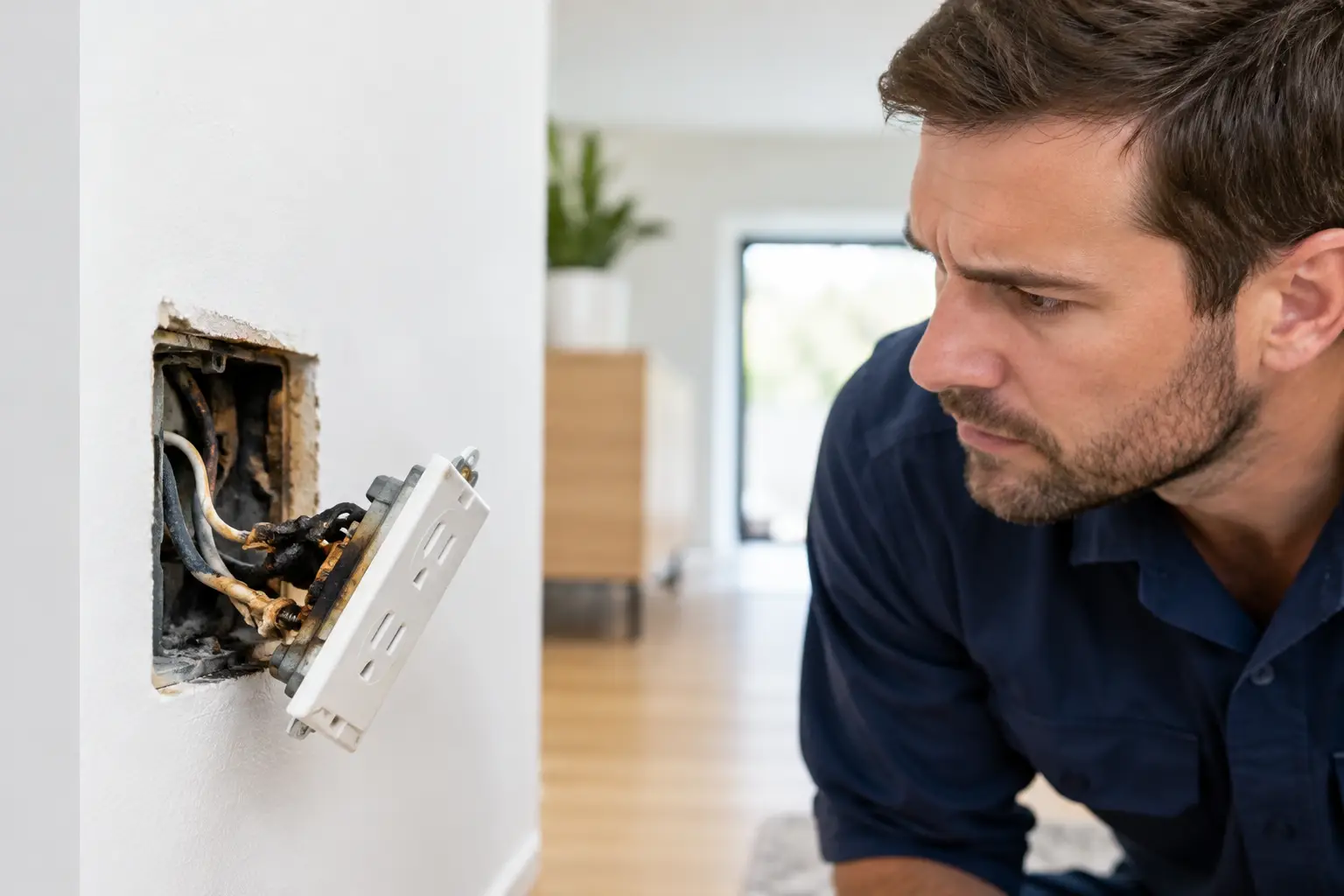
A light switch that feels warm, a circuit breaker that keeps tripping, or a faint burning smell near a power point should never be treated as a minor annoyance. Can old wiring cause fires? Yes – particularly when ageing cables, loose connections and outdated electrical components are being asked to supply more power than they were designed to handle.
Older wiring is not automatically dangerous simply because of its age. Many older properties have electrical systems that remain serviceable after professional inspection and targeted upgrades. The concern is the condition of the installation, the materials used, previous alterations and the electrical demands of a modern home or business.
Why old wiring can become a fire risk
Electrical fires usually begin with heat. When electricity meets excess resistance at a damaged cable, loose terminal or deteriorated connection, heat can build up where it should not. If surrounding insulation, timber, dust or other materials ignite, a small fault can become a serious fire.
In older homes, insulation around electrical conductors can become brittle, cracked or damaged over time. Rodents, moisture, heat and renovation work can all affect cables hidden behind walls, under floors or in ceiling spaces. Once the protective insulation is compromised, live conductors may be exposed or allowed to contact other materials.
Loose connections are another common concern. A connection that is not secure can arc, creating intense localised heat. You may not see the issue at the switchboard or power point straight away, but signs such as buzzing, flickering lights, scorch marks or a persistent burning odour need prompt attention from a licensed electrician.
Older properties can also have wiring systems that were suitable for their original use but are no longer appropriate for current demand. A home built decades ago may now be running multiple televisions, computers, air conditioners, kitchen appliances, charging devices and outdoor equipment. Commercial sites often face the same problem when additional workstations, machinery or security equipment are added over time.
Can old wiring cause fires even when nothing looks wrong?
Yes. Much of a property’s wiring is out of sight, so damage can develop without obvious warning. A power point may look clean and functional while the cable or connection behind it is overheating. Likewise, a switchboard may appear normal even though its protective devices are outdated or circuits are overloaded.
This is why repeated nuisance tripping should not be solved by continually resetting the breaker. A circuit breaker is designed to disconnect power when it detects a fault or overload. If it trips repeatedly, it is doing its job by alerting you to an issue that needs investigation.
The risk depends on the electrical system as a whole. A well-maintained older home with an upgraded switchboard and sound wiring may be safer than a newer property altered by poor-quality work. The right response is not to assume the worst, but to arrange a proper electrical assessment before a small concern becomes an urgent repair.
Warning signs worth acting on
Some electrical faults give clear warning before they become dangerous. If you notice any of the following, turn off power to the affected circuit where it is safe to do so and arrange an inspection:
- Power points, switches or plugs that are hot to touch
- Burning smells, buzzing sounds, smoke or discolouration around fittings
- Lights that flicker or dim when appliances are running
- Circuit breakers or safety switches that trip regularly
- Cracked power points, loose switches or exposed wiring
- Appliances that give a tingling sensation or minor electric shock
A single flicker during a storm may have a simple explanation. Frequent flickering, repeated tripping or heat around electrical accessories is different. These signs need a licensed electrician to identify the cause rather than a temporary workaround.
If there is smoke, flames or an immediate risk of fire, move people away from the area, call 000 and only use an appropriate fire extinguisher if it is safe to do so. Never throw water on an electrical fire.
Older wiring types that need professional assessment
The age of a property can provide useful context, but it is not a diagnosis. Different eras used different cable materials, insulation types and switchboard arrangements. Some older installations may include wiring that has deteriorated, connections that no longer meet current expectations, or circuits without the protection expected in modern homes.
Properties with old-style ceramic fuses, ageing fuse boards, limited circuits or an absence of safety switches should be assessed before major appliances or new loads are added. This is especially relevant before installing an EV charger, upgrading air conditioning, renovating a kitchen or adding a home office.
Businesses should take the same approach when expanding operations. Extra refrigeration, equipment, lighting, data systems, access control or surveillance can place more demand on an electrical installation. A load assessment and switchboard review can help confirm whether the existing infrastructure is fit for purpose.
Why overloaded circuits are a common problem
Overloading does not always mean someone has done something careless. It can happen gradually as a property changes. One room may have been designed for a lamp and radio but now supports computers, monitors, chargers, a heater and entertainment equipment through power boards.
Power boards are useful for low-demand devices, but they are not a permanent substitute for enough fixed power points or properly designed circuits. Daisy-chaining power boards, using damaged extension leads or running high-load appliances from unsuitable outlets creates unnecessary heat and increases fire risk.
A qualified electrician can identify whether the issue is an overloaded circuit, a faulty appliance, deteriorated wiring or inadequate switchboard protection. The solution may be as straightforward as replacing damaged accessories, or it may involve installing new circuits, upgrading the switchboard or rewiring affected areas.
What an electrical safety inspection can reveal
An electrical inspection is not just a visual check of power points. A licensed electrician reviews the condition and capacity of key parts of the installation, including the switchboard, protective devices, accessible wiring, earthing and electrical accessories. Testing helps identify faults that cannot be seen from the surface.
For an older property, the inspection can establish whether a full rewire is necessary or whether targeted upgrades will provide a safe, practical outcome. Full rewiring can be a significant project, particularly in occupied homes, so it should be recommended based on evidence rather than age alone.
In some cases, replacing a dated switchboard, adding safety switches, correcting faulty connections and installing new circuits for high-demand areas can substantially improve safety. In other cases, widespread cable deterioration or unsafe previous work means rewiring is the most sensible long-term decision.
When to consider rewiring your property
Rewiring is often worth discussing during a major renovation, before buying an older home, or when walls and ceilings are already open for other work. It can also be appropriate when faults are recurring, wiring insulation has degraded, the switchboard cannot support upgrades, or the property has insufficient circuits for how it is used.
The trade-off is disruption versus certainty. Rewiring requires planning and may involve access to walls, ceilings and floors. However, completing the work alongside a renovation can reduce future disruption and give you a safer foundation for new lighting, appliances, EV charging, security systems and smart-home technology.
For landlords and property managers, proactive assessment can also help avoid urgent tenant call-outs, prevent downtime and support a safer property for occupants. Documented electrical work performed by licensed professionals provides clarity when maintenance decisions need to be made.
A practical next step for older electrical systems
Do not wait for visible damage before asking questions about an ageing electrical installation. If your home or business has recurring electrical issues, an old fuse board, unexplained tripping or wiring of uncertain age, arrange a professional inspection. A licensed electrician can explain what is safe, what needs attention now and what can be planned for later.
Voltricity provides clear advice and quality electrical upgrades for homeowners, property managers and businesses that want dependable protection without unnecessary guesswork. A timely inspection can turn uncertainty into a practical plan – and help keep the people and property you care about safer.