Category: Blog

Your blog category

  • LED Downlight Installation Berwick

    LED Downlight Installation Berwick

    LED Downlight Installation Berwick

    Looking to modernise your home with professional LED downlight installation in Berwick? Voltricity provides high-quality LED lighting solutions for homeowners, businesses and property managers throughout Berwick and surrounding South East Melbourne suburbs.

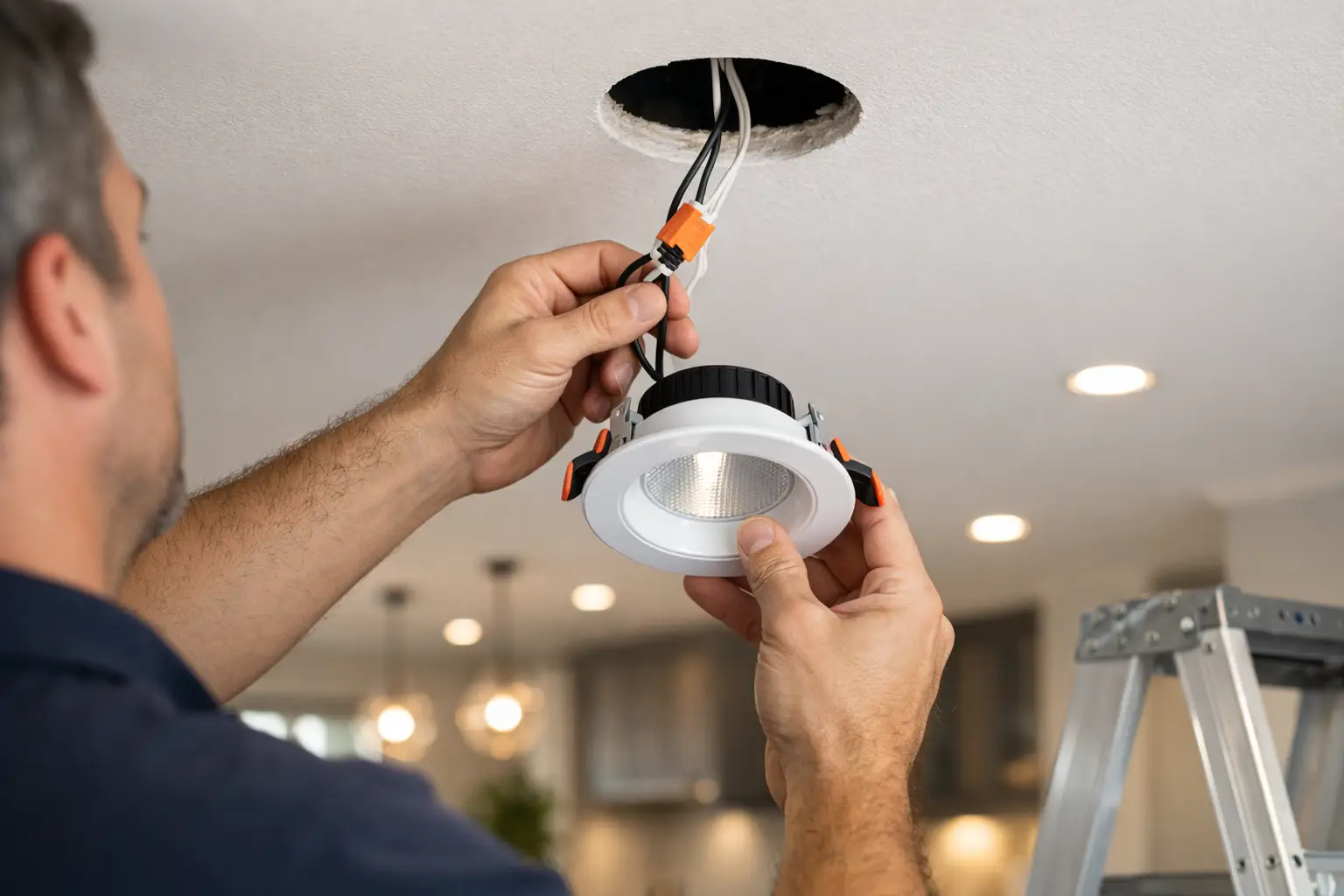
    LED downlights are one of the most popular lighting upgrades for modern homes. They offer improved energy efficiency, better lighting performance and a clean, modern appearance that can transform any room. Whether you’re renovating, building a new home or replacing outdated light fittings, professionally installed LED downlights can significantly improve both the functionality and value of your property.

    Benefits of LED Downlights

    Many homeowners in Berwick are upgrading to LED downlights because they provide a range of advantages over traditional lighting.

    Benefits include:

    Lower energy consumption Reduced electricity bills Longer lifespan Modern and stylish appearance Improved brightness and light distribution Low maintenance requirements Dimmable lighting options available

    LED downlights are suitable for living areas, kitchens, bedrooms, hallways, bathrooms, outdoor entertaining areas and commercial spaces.

    Professional LED Downlight Installation

    Every property is different, which is why proper planning is important before installing LED downlights. Our licensed electricians assess the existing wiring, ceiling space and lighting layout to ensure the best result for your home or business.

    We can help determine:

    The ideal number of downlights Correct spacing and positioning Warm white or cool white lighting options Dimmable lighting solutions Energy-efficient lighting upgrades Indoor and outdoor lighting designs

    A professionally designed lighting layout can make a significant difference to both comfort and appearance.

    LED Lighting for New Homes and Renovations

    LED downlights are a popular choice for new homes throughout Berwick, Beaconsfield, Clyde North and Officer. They also form an important part of many renovation projects, helping homeowners create brighter, more modern living spaces.

    Whether you’re updating a single room or completing a full home renovation, our electricians can provide a tailored lighting solution to suit your needs and budget.

    Why Choose Voltricity?

    At Voltricity, we specialise in modern electrical and lighting solutions throughout South East Melbourne.

    Our customers choose us because we provide:

    Licensed and insured electricians Professional LED downlight installation Modern lighting design advice Transparent pricing Reliable workmanship Friendly local service Servicing Berwick and Surrounding Suburbs

    We proudly provide LED downlight installation services throughout:

    Berwick Beaconsfield Narre Warren Narre Warren South Clyde North Officer Cranbourne North Pakenham Hallam

    If you’re looking for professional LED downlight installation in Berwick, contact Voltricity for expert advice and high-quality lighting solutions tailored to your home or business.

  • Tesla Charger Installation Cranbourne

    Tesla Charger Installation Cranbourne

    Tesla Charger Installation Cranbourne

    As Tesla ownership continues to grow across Cranbourne and South East Melbourne, more homeowners are looking for a convenient and reliable way to charge their vehicles at home. Professional Tesla charger installation in Cranbourne allows you to charge faster, improve electrical safety and enjoy the convenience of having a dedicated charging solution available whenever you need it.

    At Voltricity, we provide Tesla charger installation services for homeowners, businesses and investment properties throughout Cranbourne, Cranbourne North, Clyde North, Berwick, Narre Warren and surrounding suburbs.

    Why Install a Tesla Home Charger?

    While Tesla vehicles can charge from a standard power outlet, a dedicated Tesla Wall Connector provides significantly faster charging and a more convenient everyday experience.

    Benefits of a professionally installed Tesla charger include:

    Faster charging times Convenient overnight charging Improved electrical safety Smart charging functionality Future-ready charging infrastructure Increased property value

    For many Tesla owners in Cranbourne, a home charging solution quickly becomes an essential part of daily life, allowing the vehicle to be fully charged and ready each morning.

    Is Your Switchboard Ready for a Tesla Charger?

    Before installing a Tesla charger, it’s important to ensure your electrical system can safely support the additional load. Many older homes in Cranbourne still operate with switchboards that were not designed for modern electrical demands.

    Our licensed electricians assess your existing switchboard, electrical capacity and circuit protection before recommending the most suitable charging solution. If a switchboard upgrade is required, we can provide a safe and compliant upgrade to support your Tesla charger installation.

    Professional Tesla Charger Installation

    Every property is different, which is why every Tesla charger installation should be tailored to the specific site requirements.

    We consider:

    Charger location Distance from the switchboard Available electrical capacity Future charging requirements Cable routing and installation aesthetics Indoor and outdoor mounting options

    Whether you’re installing a Tesla Wall Connector in a garage, carport or outdoor parking area, our team will design a solution that is practical, safe and built for long-term reliability.

    Tesla Charger Installation for Homes and Businesses

    We provide Tesla charger installation services for:

    Residential homes New home builds Commercial properties Office buildings Investment properties Small business fleets

    As electric vehicle adoption continues to increase throughout Cranbourne and South East Melbourne, many businesses are also choosing to provide charging facilities for staff and customers.

    Why Choose Voltricity?

    When choosing an electrician for Tesla charger installation in Cranbourne, experience and attention to detail matter.

    Voltricity provides:

    Licensed and insured electricians Professional Tesla charger installation EV charger and switchboard specialists Transparent pricing Reliable workmanship Local South East Melbourne service Servicing Cranbourne and Surrounding Suburbs

    We proudly provide Tesla charger installation services throughout:

    Cranbourne Cranbourne North Cranbourne East Clyde North Berwick Narre Warren Narre Warren South Officer Pakenham

    If you’re looking for professional Tesla charger installation in Cranbourne, contact Voltricity for expert advice and a customised charging solution tailored to your property and vehicle.

  • Switchboard Upgrades Berwick Properties Need

    Switchboard Upgrades Berwick Properties Need

    If your lights flicker when the heater kicks in, your safety switches trip without warning, or your property still runs on an older fuse-based setup, it may be time to look at switchboard upgrades Berwick homeowners and businesses often put off for too long. A switchboard is not something most people think about until there is a fault, but it is one of the most important parts of your electrical system. When it is outdated, undersized or poorly configured, the rest of the property is working harder than it should.

    For homes, that can mean nuisance tripping, limited capacity and avoidable safety risks. For commercial spaces, it can mean downtime, compliance concerns and difficulty adding new equipment. In both cases, the right upgrade is about more than replacing parts. It is about making sure the property can handle the way you live or work now, not the way it did 20 years ago.

    Why switchboard upgrades in Berwick are becoming more common

    Berwick properties have changed. Many homes now run larger air conditioning systems, induction cooktops, home offices, pool equipment, security systems and EV chargers. Commercial sites are also carrying more electrical load through lighting upgrades, data equipment, refrigeration, machinery and extended operating hours.

    Older switchboards were never designed for that level of demand. Some still rely on ceramic fuses or lack the safety switch protection expected in modern installations. Others have been altered over time with additions that made sense individually but left the overall board cramped, confusing or out of date.

    This is where an upgrade matters. A modern switchboard is designed to distribute power safely, isolate faults quickly and make maintenance far more straightforward. It also gives licensed electricians a cleaner, compliant foundation for future work, whether that is rewiring, solar-related changes, air conditioning circuits or EV charging.

    The warning signs your switchboard may need attention

    Not every switchboard needs a full replacement, and that distinction matters. Sometimes the issue is a faulty breaker, a poor connection or a single overloaded circuit. But there are certain signs that usually point to a bigger problem.

    If your property still has old-style fuses instead of circuit breakers, that is a strong indication the board is due for review. The same applies if there are no safety switches protecting power and lighting circuits, or if the board shows signs of heat damage, corrosion, loose components or makeshift modifications.

    Frequent tripping is another common clue. One trip every now and then does not automatically mean the switchboard is failing. It could be a faulty appliance or a genuine protection event. But repeated tripping, especially when multiple loads are running, often suggests the system is struggling with demand or that circuits are not properly balanced.

    You may also notice practical limitations. Perhaps you are renovating and there is no room to add circuits. Perhaps you want an EV charger installed but the board cannot support it safely. Or perhaps a recent inspection has flagged compliance issues before a sale, lease or insurance renewal. These situations often bring the need for an upgrade into focus.

    What a switchboard upgrade actually involves

    A proper switchboard upgrade is not a cosmetic swap. It starts with assessing the existing installation, the property’s current load requirements and any planned additions. From there, the electrician can determine whether the board needs a complete replacement, a partial reconfiguration or supporting works such as mains upgrades, new circuit protection or earthing improvements.

    In many cases, the work includes replacing old fuses with modern circuit breakers, installing safety switches, improving circuit separation and relabelling everything clearly. If the existing board is overcrowded or deteriorated, a new enclosure may be fitted to provide safer access and better long-term reliability.

    There is also a compliance side to the job. Electrical work needs to meet current standards, and switchboards are a key part of that. A quality upgrade should leave you with a system that is safer to use, easier to maintain and ready for future electrical demands.

    For homeowners, that often means peace of mind. For business owners and property managers, it also means fewer surprises, clearer documentation and a setup that is easier to manage over time.

    The safety and performance benefits

    The biggest reason people book switchboard upgrades in Berwick is safety. Modern switchboards help reduce the risk of electric shock and electrical fire by using updated protective devices that respond much faster than older systems. Safety switches, in particular, are designed to cut power quickly when they detect a fault.

    But safety is only part of the benefit. A better switchboard also improves performance. Circuits can be distributed more sensibly, reducing overload issues and making the system more reliable during peak use. If you have ever had half the property lose power because too many appliances were running at once, you already know how frustrating an underperforming board can be.

    Upgrades also support future planning. If you are considering renovations, ducted air conditioning, a workshop fit-out, new lighting, or an EV charger, the switchboard often becomes the starting point. Getting that infrastructure right early can save time, money and disruption later.

    Homes, rentals and commercial sites all have different needs

    One of the biggest mistakes with switchboard work is assuming every property needs the same solution. It depends on the age of the building, the way the site is used and what is planned next.

    In owner-occupied homes, the priority is often a mix of safety, capacity and convenience. Families want reliable power, room for modern appliances and confidence that the system is properly protected. In rental properties, landlords and property managers are often focused on reducing maintenance issues, meeting obligations and avoiding faults that inconvenience tenants.

    Commercial properties bring another layer. A café, warehouse, office and retail space all use power differently. Some require dedicated circuits for specific equipment. Others need a switchboard layout that supports staged operations, emergency lighting or security integration. The right upgrade in a commercial setting is rarely about the cheapest board. It is about the setup that fits how the business actually runs.

    Why licensed assessment matters before any upgrade

    Switchboard work is not a DIY job and it is not the place for guesswork. An upgrade needs to be based on proper testing, load assessment and a clear understanding of compliance requirements. It should also account for the broader electrical system, because a new board alone will not fix every issue if there are faults elsewhere in the installation.

    That is why an on-site assessment matters. A licensed electrician can inspect the current board, identify immediate risks, explain what is required now versus what can be staged later, and provide transparent advice on the most practical path forward. In some properties, a full upgrade is the right call. In others, targeted works may be enough for the current need.

    A dependable contractor will also explain downtime, access requirements and any temporary power interruption involved, so there are no surprises on the day. That level of planning matters just as much in a family home as it does in a busy business premises.

    Choosing the right team for switchboard upgrades Berwick-wide

    When you are comparing electricians, look beyond price alone. Switchboard upgrades affect the safety and reliability of the whole property, so workmanship, communication and compliance all count.

    You want a team that is licensed, experienced with both residential and commercial systems, and able to explain the job in plain language. Clear quoting matters. So does showing up on time, keeping the work area organised and delivering an installation that is neat, labelled and built to last.

    Voltricity approaches this work the same way it approaches every electrical service – with a focus on safety, quality and responsive service. That means practical recommendations, transparent pricing and workmanship designed for long-term reliability rather than a quick patch.

    If your switchboard is outdated, overloaded or holding back other electrical improvements, it is worth getting it checked before a minor issue turns into a bigger one. A well-planned upgrade does not just solve today’s problem. It gives your property a safer, stronger electrical foundation for whatever comes next.

  • Electrician at Berwick and surroundings

    Electrician at Berwick and surroundings

    Electrician Berwick

    Looking for a reliable electrician in Berwick? Voltricity provides professional electrical services for homeowners, businesses and property managers throughout Berwick and surrounding South East Melbourne suburbs.

    Whether you’re dealing with flickering lights, power outages, tripping safety switches or planning an electrical upgrade, our licensed electricians deliver safe, compliant and high-quality solutions tailored to your property.

    Trusted Electrical Services in Berwick

    As one of Melbourne’s fastest-growing suburbs, Berwick continues to see increasing demand for modern electrical solutions. New homes, renovations, home offices, EV chargers and smart home technology all place greater demands on electrical systems than ever before.

    At Voltricity, we help Berwick residents keep their homes and businesses safe, efficient and future-ready with a wide range of electrical services.

    Our services include:

    EV charger installation Switchboard upgrades LED downlight installation Security camera and CCTV installation Power point installation Outdoor and landscape lighting Fault finding and electrical repairs Residential electrical services Commercial electrical services EV Charger Installation Berwick

    With more electric vehicles appearing on Berwick roads, many homeowners are investing in dedicated EV charging solutions. A professionally installed EV charger provides faster charging, greater convenience and improved electrical safety compared to a standard power outlet.

    Our team can assess your existing electrical system and recommend the best charging solution for your home or business.

    Switchboard Upgrades Berwick

    Older switchboards often struggle to support the electrical demands of modern households. If your safety switches frequently trip or your switchboard contains outdated components, an upgrade may be required.

    A modern switchboard can improve electrical safety, increase reliability and provide capacity for future upgrades such as EV chargers, air conditioning and smart home technology.

    LED Lighting and Outdoor Lighting

    Lighting plays an important role in both functionality and appearance. We install energy-efficient LED downlights, feature lighting, garden lighting and outdoor lighting solutions designed to enhance homes and commercial properties throughout Berwick.

    Whether you’re renovating, building or upgrading existing lighting, our electricians can provide practical and modern solutions.

    Security Camera Installation Berwick

    Protecting your property has never been more important. We provide professional CCTV and security camera installation services for homes and businesses across Berwick.

    Modern security systems offer remote monitoring, motion detection and high-definition video, helping improve safety and peace of mind.

    Why Choose Voltricity?

    When searching for an electrician in Berwick, it’s important to choose a licensed professional who delivers reliable workmanship and honest advice.

    Voltricity provides:

    Licensed and insured electrical services Transparent pricing Reliable workmanship Modern electrical solutions Residential and commercial expertise Friendly local service Servicing Berwick and Surrounding Suburbs

    We proudly service:

    Berwick Beaconsfield Narre Warren Narre Warren South Clyde North Officer Cranbourne North Pakenham Hallam

    If you’re looking for a trusted electrician in Berwick, contact Voltricity for professional electrical services throughout South East Melbourne.

  • Switchboard Upgrades Narre Warren Homes Need

    Switchboard Upgrades Narre Warren Homes Need

    Switchboard Upgrades Narre Warren

    If your safety switches keep tripping, your lights flicker, or your switchboard still uses outdated fuses, it may be time for a switchboard upgrade. At Voltricity, we provide professional switchboard upgrades in Narre Warren, helping homeowners and businesses improve electrical safety, reliability and capacity.

    Many older homes in Narre Warren, Narre Warren South, Berwick, Hallam and Hampton Park were built before today’s electrical demands. Modern households often run air conditioners, EV chargers, home offices, security systems and multiple appliances at the same time, placing extra strain on older switchboards.

    Common signs that you may need a switchboard upgrade include:

    Frequent circuit breaker trips Flickering lights Outdated ceramic fuses Burning smells near the switchboard Installing an EV charger or air conditioner Renovating or extending your property

    A modern switchboard upgrade provides improved protection through safety switches and circuit breakers, helping reduce the risk of electrical faults and improving the reliability of your electrical system.

    Whether you’re upgrading an older home in Narre Warren or preparing your property for an EV charger installation, Voltricity can provide a safe and compliant solution tailored to your needs.

    Why Choose Voltricity? Licensed and insured electricians Modern switchboard upgrade solutions Transparent pricing Reliable workmanship Servicing Narre Warren and South East Melbourne

    Contact Voltricity today for professional switchboard upgrades in Narre Warren and surrounding suburbs.

  • EV Charger Installation Narre Warren

    EV Charger Installation Narre Warren

    EV Charger Installation Narre Warren

    As more homeowners and businesses make the switch to electric vehicles, professional EV charger installation in Narre Warren has become increasingly important. While charging from a standard power outlet is possible, a dedicated EV charger provides faster charging, improved safety and greater convenience for everyday use.

    At Voltricity, we provide EV charger installation services throughout Narre Warren, Narre Warren South, Berwick, Clyde North, Cranbourne, Officer and surrounding South East Melbourne suburbs. Whether you’re installing your first EV charger at home or planning charging infrastructure for a commercial property, our licensed electricians can deliver a safe and compliant solution.

    Why Install a Dedicated EV Charger?

    A dedicated EV charger allows you to charge your vehicle faster and more efficiently than a standard household power point. Modern chargers also include advanced safety features and smart charging options that can help manage electricity usage and reduce charging costs.

    Many homeowners in Narre Warren are choosing to install EV chargers as electric vehicles become more common. Having a charger installed at home means you can conveniently charge overnight and start each day with a fully charged vehicle.

    Is Your Electrical System Ready?

    Before installing an EV charger, it’s important to assess your property’s electrical system. Some older homes in Narre Warren, Berwick and surrounding suburbs may require additional circuit protection or a switchboard upgrade to safely support the charger.

    Our electricians will inspect your switchboard, assess available capacity and determine the most suitable charging solution for your property. If upgrades are required, we can provide recommendations to ensure your installation is safe, compliant and future-ready.

    Residential and Commercial EV Charger Installation

    We provide EV charger installation for:

    Homes and residential properties Apartment developments Commercial buildings Offices and workplaces Retail premises Investment properties

    Every installation is tailored to suit the property layout, charging requirements and future electrical needs.

    Why Choose Voltricity?

    When choosing an electrician for EV charger installation in Narre Warren, experience and attention to detail matter. We take the time to assess your property, recommend the right charger and complete the installation to Australian Standards.

    Our team provides:

    Licensed and insured electrical services Professional EV charger installation Switchboard upgrade solutions Transparent pricing Reliable workmanship Friendly local service Servicing Narre Warren and South East Melbourne

    Voltricity proudly provides EV charger installation services throughout:

    Narre Warren Narre Warren South Berwick Clyde North Cranbourne Cranbourne North Officer Pakenham Hallam Hampton Park

    If you’re looking for reliable EV charger installation in Narre Warren, contact Voltricity for professional advice and a customised charging solution designed for your home or business.

  • Looking for an Electrician Around South East Melbourne?

    Looking for an Electrician Around South East Melbourne?

    Licensed Electrician South East Melbourne

    Looking for a reliable electrician in South East Melbourne? Voltricity provides professional electrical services for homes and businesses across Berwick, Narre Warren, Clyde North, Cranbourne, Officer, Pakenham and surrounding suburbs.

    Whether you’re dealing with flickering lights, tripping safety switches, power outages or planning an electrical upgrade, our licensed electricians deliver safe, compliant and high-quality workmanship.

    Our Electrical Services Switchboard upgrades EV charger installation LED downlight installation Power point installation Security camera and CCTV installation Outdoor and landscape lighting Fault finding and electrical repairs Residential and commercial electrical services Why Choose Voltricity?

    South East Melbourne properties are placing more demand on their electrical systems than ever before. From EV chargers and air conditioning to smart home technology and security systems, modern homes require safe and reliable electrical infrastructure.

    At Voltricity, we provide transparent pricing, quality workmanship and dependable service across South East Melbourne. Whether you need a small repair or a complete electrical upgrade, our team is committed to getting the job done right.

    Servicing South East Melbourne

    We regularly service:

    Berwick Narre Warren Narre Warren South Clyde North Cranbourne Cranbourne North Officer Pakenham Hallam Hampton Park

    Contact Voltricity today for trusted electrical services throughout South East Melbourne.

  • Residential vs Commercial Rewiring

    Residential vs Commercial Rewiring

    A rewiring job can look straightforward from the outside – remove old cabling, install new circuits, test everything, sign it off. In practice, residential vs commercial rewiring involves very different risks, timelines and design decisions. What works in a family home rarely suits an office, retail fit-out or warehouse, and getting that distinction right matters for safety, compliance and long-term reliability.

    If you’re planning upgrades for a house, strata property, shopfront or larger business premises, the first question is not simply whether rewiring is needed. It is what kind of environment the electrical system needs to support, both now and years from now. That shapes everything from circuit layout and switchboard capacity to access, scheduling and cost.

    Residential vs commercial rewiring: what changes?

    The biggest difference is how the building is used. In a home, rewiring is usually designed around everyday living – lighting, kitchen appliances, air conditioning, hot water, entertainment systems, EV charging and outdoor areas. The electrical load can still be substantial, especially in newer homes, but the pattern of use is generally more predictable.

    In a commercial setting, electrical demand is often broader and less forgiving. You may be dealing with workstations, specialised equipment, security systems, data cabling interfaces, emergency lighting, signage, refrigeration, machinery or three-phase power requirements. Downtime can affect staff, customers and revenue, so the project has to be planned with operations in mind.

    There is also a practical difference in scale. A residential rewire may involve a single switchboard and a finite number of rooms. A commercial rewire can include multiple tenancies, larger cable runs, more complex distribution and stricter access coordination. Even when the floor area looks similar, the wiring design is usually not.

    What residential rewiring usually involves

    In homes, rewiring often starts with ageing infrastructure. Older properties may still have outdated cabling, limited power points, insufficient lighting circuits or switchboards that are no longer suited to modern electrical loads. Renovations also trigger rewiring, particularly when kitchens, bathrooms, extensions or garages are being upgraded.

    A residential rewire is not just about replacing old wires. It is a chance to make the home safer and more practical. That may include adding RCD protection, upgrading the switchboard, improving lighting design, installing more power points, preparing for solar or battery integration, and allowing for EV chargers or smart security systems.

    Access is one of the main variables. A vacant property is usually simpler and faster to rewire than an occupied home with finished walls, cabinetry and flooring that need to be protected. In some cases, a partial rewire is possible. In others, patching together old and new wiring creates more problems than it solves.

    For homeowners, the trade-off often comes down to budget versus future-proofing. It can be tempting to replace only the visibly damaged or obviously outdated sections, but if the rest of the system is nearing the same age and condition, staged upgrades may end up costing more over time.

    Signs a home may need rewiring

    The warning signs are usually fairly clear – frequent tripping, flickering lights, warm outlets, limited sockets, old ceramic fuses, buzzing, or wiring that predates modern safety expectations. A home that has had repeated add-on work over many years can also hide inconsistent or poor-quality alterations behind walls and ceilings.

    That does not always mean a full rewire is the only answer. Sometimes the right solution is a targeted upgrade with a new switchboard and selected circuit replacements. A proper inspection is what separates a sensible repair plan from guesswork.

    How commercial rewiring is different

    Commercial rewiring tends to be driven by compliance, capacity, fit-out changes and business continuity. A space may need to support more staff, different equipment, revised floorplans or additional security systems. In older buildings, the existing installation may no longer align with current operational needs or safety standards.

    Load planning is a major factor. Commercial premises often require more circuits, dedicated supplies for critical equipment and clearer separation of services. An office may need reliable power for server rooms and communications equipment. A hospitality venue may need higher-demand kitchen circuits. A warehouse may need power for roller doors, plant, external lighting and surveillance.

    Then there is the issue of timing. Unlike many homes, commercial sites cannot always shut down for days at a time. Rewiring may need to happen after hours, in stages, or around other trades during a fit-out or refurbishment. That makes planning just as important as installation.

    Compliance and documentation matter more in commercial settings

    Both residential and commercial electrical work must meet Australian standards and safety requirements, but commercial sites usually carry more layers of responsibility. Property managers, business owners and facility teams often need clearer documentation, testing records and coordination with other contractors.

    If the site includes emergency systems, access control, alarms or specialised plant, the electrical work needs to account for those systems rather than treat them as separate afterthoughts. That is one reason many clients prefer a provider that can manage broader infrastructure needs under one roof.

    Cost differences between home and business rewiring

    There is no honest flat-rate answer to rewiring costs because the price depends on size, access, condition, load requirements and scope. Still, residential projects are usually more straightforward to estimate because the environment and usage patterns are simpler.

    Commercial rewiring often costs more per project because there are more variables to manage. Access restrictions, out-of-hours labour, compliance requirements, multiple distribution points and specialised equipment can all increase the overall cost. On the other hand, a small commercial tenancy may be less complex than a large architect-designed home with extensive automation, outdoor services and high-end finishes.

    That is why site-specific quoting matters. The right quote should explain what is being upgraded, what is being retained, and whether related work such as switchboard upgrades, lighting replacement or capacity planning is included.

    Planning a rewire without unnecessary disruption

    For both homes and businesses, the best rewiring projects begin before the first cable is pulled. A clear site assessment identifies the current condition of the installation, any immediate safety concerns and the most efficient path forward.

    In residential properties, good planning helps protect finishes, reduce inconvenience and make sure the layout suits the way the household actually lives. There is no point placing power points where furniture blocks them or underestimating future demand for air conditioning, home office equipment or vehicle charging.

    In commercial spaces, planning protects operations. That can mean staging the work area by area, isolating essential circuits, scheduling shutdowns in advance and coordinating with fit-out, data, HVAC or security contractors. Fast work matters, but so does doing it in the right order.

    Choosing the right electrician for residential vs commercial rewiring

    Not every electrician handles both environments with the same depth of experience. Residential and commercial rewiring share core electrical principles, but the execution is different. Homes call for careful work in lived-in spaces, practical advice and a strong focus on family safety. Commercial sites need broader project coordination, documentation and an understanding of operational pressures.

    A good contractor should be licensed, transparent about scope and realistic about timing. They should also be willing to explain whether a full rewire is necessary or whether a staged approach makes more sense. That kind of advice saves clients from overcommitting just as much as it protects them from underquoting the problem.

    For many property owners, one of the biggest advantages is working with a team that can look beyond the cabling itself. Rewiring often overlaps with switchboard upgrades, lighting improvements, EV charging, outdoor power and security integration. When those pieces are planned together, the result is usually cleaner, safer and more cost-effective.

    At Voltricity, that joined-up approach is a big part of what clients value. It means the electrical backbone of the property is treated as part of the bigger picture, not an isolated trade task.

    Which option do you need?

    If the property is a home, duplex, townhouse or residential investment, the focus is usually on safety, modern capacity and day-to-day convenience. If it is an office, retail tenancy, hospitality venue, medical suite, warehouse or mixed-use site, the job is more likely to involve operational planning, broader compliance considerations and higher or more varied loads.

    The overlap is this – both need safe workmanship, clear communication and a design that suits the way the space is actually used. A cheap fix that leaves an undersized switchboard or a patchwork of ageing circuits is rarely a saving.

    The best next step is usually not to guess whether the project is residential or commercial in complexity, but to have the site assessed properly. Once you know the condition of the existing installation and the demands of the space, the right rewiring plan becomes much clearer. A well-planned rewire should give you confidence every time you switch something on, not another item to worry about later.

  • What Causes Circuit Breaker Tripping?

    What Causes Circuit Breaker Tripping?

    You notice the power cut out halfway through making dinner, head to the switchboard, and there it is again – the same breaker has tripped. If you are wondering what causes circuit breaker tripping, the short answer is that the breaker is doing its job. It is shutting power off because something on that circuit is unsafe, overloaded, or faulty.

    A tripping breaker is not just an annoyance. In many cases, it is an early warning sign. Sometimes the issue is simple, like too many appliances running at once. Other times, it points to damaged wiring, a faulty appliance, moisture getting where it should not, or a switchboard that is no longer suited to the way the property is used.

    What a circuit breaker is actually protecting

    A circuit breaker is designed to stop electrical current when it detects a problem. That might be too much current flowing through the circuit, a short circuit, or an earth fault. Rather than letting wires overheat or equipment keep running under unsafe conditions, the breaker trips and cuts power.

    That protection matters in homes, offices, retail spaces, and workshops alike. Without it, minor faults could quickly turn into damaged appliances, melted insulation, or fire risk. So while repeated tripping is frustrating, the breaker itself is usually not the problem at first. It is responding to a condition that needs attention.

    The most common answer to what causes circuit breaker tripping

    In day-to-day properties, overload is one of the most common causes. This happens when too many devices are drawing power from the same circuit at the same time.

    A good example is a kitchen circuit running a kettle, microwave, toaster and dishwasher together. In a commercial setting, it might be heaters, computers, monitors and kitchen equipment all sharing one line. The breaker trips because the circuit is being asked to carry more current than it was designed for.

    This does not always mean the installation is poor. It can simply mean the electrical setup no longer matches how the space is being used. Renovations, added appliances, home offices, EV chargers and upgraded equipment all place extra demand on older systems.

    Short circuits and why they are more serious

    A short circuit happens when active and neutral conductors come into contact in a way they should not. That causes a sudden surge in current and the breaker trips almost instantly.

    This type of fault is more serious than a basic overload because it usually points to damaged wiring, a failed appliance, loose connections, or worn insulation. You might notice a burning smell, scorching around a powerpoint, buzzing sounds, or the breaker tripping the moment you reset it.

    If that happens, it is best not to keep trying to force the breaker back on. Repeated resetting can make the situation worse, especially if the fault is in fixed wiring or inside an appliance that is still connected.

    Earth leakage and safety switch confusion

    People often use the terms breaker and safety switch interchangeably, but they are not the same thing. A circuit breaker protects wiring from overloads and short circuits. A safety switch, also called an RCD, protects people by detecting current leaking to earth.

    That said, the two issues can feel similar from the user side because both result in power going off. Moisture in outdoor lighting, a damaged appliance cord, water near a socket, or deteriorated insulation can all lead to leakage current and tripping.

    If one section of your property loses power during rain, after cleaning, or when an outdoor circuit is in use, moisture is worth considering. This is common in exterior outlets, garden lighting, garages, and older installations where seals and fittings have aged.

    Faulty appliances are often the real culprit

    Sometimes the fixed wiring is fine and the issue sits with one appliance. Heaters, kettles, dishwashers, dryers, fridges, power tools and older microwaves are frequent offenders because they use significant current or contain heating elements and motors that wear over time.

    A simple pattern can help narrow it down. If the breaker only trips when a particular appliance is switched on, that appliance is a likely cause. If it trips randomly with nothing obvious connected, the fault may be in the circuit itself or in a hardwired item such as an oven, air conditioner or hot water system.

    This is where a bit of caution matters. Unplugging portable appliances one by one is reasonable. Opening equipment, checking internal wiring, or attempting DIY electrical repair is not. Licensed diagnosis is the safer path.

    Old switchboards and ageing wiring

    Older homes and older commercial tenancies often have electrical systems that were adequate when installed but are now under far more pressure. More lighting, more kitchen equipment, more electronics, and more charging demands all add up.

    Ageing wiring can become brittle, insulation can break down, and older boards may not offer the level of protection expected in modern installations. In some properties, circuits were also added over time without a full rethink of overall capacity.

    That is why tripping sometimes starts after a renovation, new tenancy fit-out, or the addition of larger loads such as air conditioning or EV charging. The new equipment is not necessarily faulty. It may just be exposing a system that needs upgrading.

    Loose connections and hidden damage

    Not every electrical fault is obvious. Loose terminals behind outlets, damaged cables in roof spaces, rodent damage, heat-stressed connections and wear inside switches can all create intermittent problems.

    These faults are frustrating because they do not always trip at the same time or under the same conditions. One day the circuit works fine. The next day it trips when lights, a fan, or a seemingly unrelated appliance is used.

    Intermittent tripping deserves proper investigation because hidden faults can worsen over time. Heat build-up at a loose connection, for example, may not cut power immediately every time, but it can damage surrounding components and increase risk.

    What causes circuit breaker tripping after new equipment is installed

    This is a question electricians hear often, especially after upgrades. A new oven, split system, induction cooktop, hot water unit, workshop machine or EV charger can reveal capacity issues quickly.

    The key point is that new equipment often draws power differently from older models. Some appliances have high start-up current. Others require a dedicated circuit. Some homes and businesses simply do not have enough circuit separation for the way they now operate.

    This is not something to guess at. If tripping starts after installation, the right response is to have the load, circuit design and protection checked properly. In many cases, the fix is straightforward once the demand and wiring are assessed together.

    When you can do a basic check

    There are a few safe observations property owners can make before booking an electrician. You can note which breaker is tripping, what was running at the time, whether the issue affects one area or the whole property, and whether weather or moisture seem to be involved.

    You can also unplug portable appliances on the affected circuit and see whether the breaker resets with everything disconnected. If it holds until one item is plugged back in, that is useful information.

    What you should not do is remove switchboard covers, replace breakers yourself, or keep resetting a breaker that trips immediately. If it will not stay on, there is a reason.

    When it is time to call a licensed electrician

    If a breaker trips more than once, trips instantly when reset, affects essential equipment, or comes with heat, smell, sparks or visible damage, it is time to get professional help. The same applies if the property has an older switchboard, recent upgrade works, or circuits that seem overloaded by normal daily use.

    For homeowners, fast diagnosis protects your family, appliances and wiring. For property managers and business operators, it also reduces downtime and helps avoid larger repair costs later. A proper fault-finding visit can identify whether the issue is the breaker itself, the connected load, the appliance, the wiring, or the wider switchboard setup.

    At Voltricity, this is the sort of problem that benefits from a practical, no-fuss approach. Test the circuit, identify the cause, explain the options clearly, and carry out the repair or upgrade safely.

    Circuit breaker tripping is your electrical system asking for attention, not something to ignore or work around. The sooner the cause is identified, the sooner the property is safer, more reliable, and back to running the way it should.

  • Best Smoke Alarm Locations at Home

    Best Smoke Alarm Locations at Home

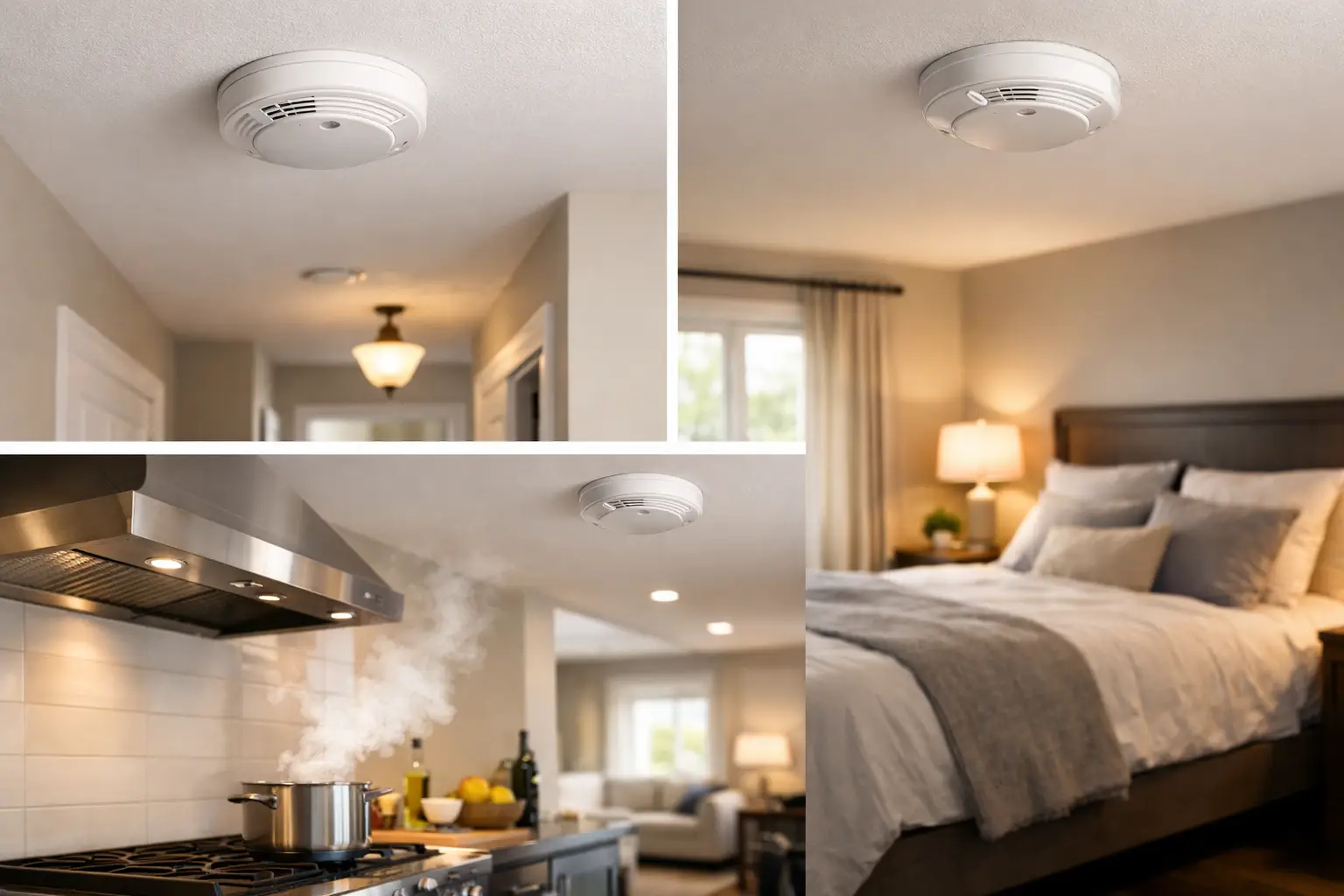
    A smoke alarm on the wrong ceiling can give you a false sense of security. We often see homes with alarms installed too close to kitchens, tucked into dead air corners, or missing from the very areas where people sleep. If you want the best smoke alarm locations, placement matters just as much as choosing a compliant alarm in the first place.

    Getting this right is not about overcomplicating a simple safety device. It is about giving your household the earliest possible warning, especially at night, when smoke can spread before anyone notices. For homeowners, landlords and property managers, correct placement is one of the most practical safety improvements you can make.

    Why the best smoke alarm locations matter

    Smoke alarms are designed to detect danger early, but they can only do that if they are installed where smoke will reach them quickly. A poorly placed alarm may activate too late, or go off so often from cooking fumes that people start ignoring it. Neither outcome is acceptable.

    The aim is straightforward. You want alarms close enough to sleeping areas to wake occupants, positioned in likely smoke paths, and far enough from nuisance sources to remain reliable. In real properties, that balance can vary depending on the floorplan, ceiling height, room use and whether the home is single or double storey.

    For many Australian homes, there is no single alarm that covers everything well. A layered approach is usually the safer option.

    Best smoke alarm locations in a typical home

    The best starting point is outside each bedroom area. If a fire starts in a living room, hallway or kitchen nearby, the alarm should sound before smoke enters sleeping spaces in dangerous amounts. In homes with a separate bedroom wing, that hallway is a priority location.

    Inside bedrooms, alarms are also worth serious consideration, particularly where doors are closed overnight or where occupants use heaters, charge devices, or have limited mobility. Closed doors can slow smoke travel, which means a hallway alarm may not always provide the earliest warning inside the room.

    Living areas are another strong candidate, especially if they include lounges, family rooms or spaces connected to the kitchen. These are high-use zones where electrical faults, chargers, heaters and other ignition sources can be present. If the living area is large or open plan, one alarm may not be enough to cover the full space effectively.

    If the home has more than one storey, there should be smoke alarm coverage on each level. Stairways can help smoke travel quickly between floors, but relying on one level to protect another is not a sound strategy.

    For larger homes, split-level homes or properties with long corridors, extra alarms are often needed. The best smoke alarm locations are the ones that reflect how the building is actually laid out, not just a minimum box-ticking exercise.

    Where alarms should generally go

    In practical terms, most homes should have alarms:

    • in the hallway or path of travel outside bedrooms
    • on every storey of the home
    • in or near living areas, depending on the layout
    • in bedrooms where added protection is sensible or required

    That does not mean placing them anywhere on the ceiling will do. Exact positioning matters.

    Ceiling placement makes a difference

    Smoke rises, so ceiling installation is generally preferred. Alarms should be mounted where smoke can reach them freely, away from corners where air may not circulate properly. Those tight joins between wall and ceiling can create dead air spaces, which may delay activation.

    If wall mounting is allowed for the product and the situation calls for it, the height and clearance need to follow the manufacturer’s instructions and relevant regulations. This is one area where guessing is not worth the risk.

    Hallways are common, but not always enough

    A hallway alarm is often essential, but it should not be the only line of defence if the home is spread out or compartmentalised. In a long floorplan, smoke may not reach the hallway quickly enough from a distant living area, garage-adjacent room or closed bedroom.

    That is why a proper assessment matters. The best smoke alarm locations are based on travel paths, room separation and likely fire sources, not just habit.

    Areas to avoid

    Some locations look convenient but create ongoing problems. Right outside a bathroom can be a poor choice if steam regularly triggers nuisance alarms. Near supply air vents or ceiling fans, airflow can push smoke away from the unit and affect performance.

    Kitchens need care as well. You want protection nearby, but not so close that normal cooking sets the alarm off every other night. Repeated false alarms frustrate occupants and can lead to tampering, removal or flat batteries being ignored.

    Garages can also be tricky. Vehicle exhaust, dust and temperature changes may affect some alarm types, while attached garages still present a real risk to the home. In these cases, selecting the correct alarm type and installation point is just as important as deciding whether the area needs coverage.

    You should also avoid placing alarms near windows or doors where drafts may interfere with smoke detection. The same goes for very dusty spaces or spots exposed to insects if the unit is not suited to that environment.

    Open-plan homes need a smarter approach

    Many newer Australian homes have open-plan kitchen, dining and living areas. These layouts are popular, but they make alarm placement more nuanced. If you place the alarm too close to the cooktop, nuisance alarms become likely. Too far away, and you may lose valuable response time.

    In open-plan spaces, the right position is often in the living zone or transition area rather than directly above food preparation. The exact distance depends on the alarm type, the ceiling design and the overall room size. Raked ceilings, bulkheads and voids can all affect smoke movement.

    This is where professional advice adds real value. A compliant install should account for the actual structure, not just the brochure diagram.

    Bedrooms, children and vulnerable occupants

    Not every household has the same risk profile. Families with young children, older residents, shift workers, or anyone who may sleep heavily should think carefully about bedroom coverage. The same applies in homes where bedroom doors are routinely closed for heating, cooling or noise.

    Interconnected alarms are especially useful here. When one alarm activates, all alarms sound together. That means a fire starting in a distant room can still alert the entire household immediately. For larger homes, this is often the difference between hearing an alarm early and hearing it too late.

    For property managers and landlords, dependable bedroom-adjacent coverage is not just a safety decision. It is part of delivering a well-maintained property that protects occupants properly.

    Compliance matters, but so does real-world performance

    Australian smoke alarm requirements vary by state and territory, and there can be extra obligations for rentals, sales, renovations or new builds. Compliance is essential, but minimum legal requirements are not always the same as best-practice protection.

    A home might technically meet a baseline requirement and still have blind spots. That is why we recommend looking beyond the minimum where practical. If one extra alarm improves response time to sleeping areas or covers a disconnected part of the house, it is usually money well spent.

    This is particularly true in older homes with extensions, converted garages or outdated wiring. Changes to the layout can alter where the best smoke alarm locations actually are.

    Hardwired or battery-powered?

    Placement and alarm type work together. Hardwired smoke alarms with battery backup are often the stronger long-term option because they are more dependable and better suited to interconnected systems. Battery-powered alarms can still be appropriate in some situations, especially where wiring access is limited, but they need proper selection and ongoing maintenance.

    Whatever the power source, maintenance cannot be an afterthought. Even a perfectly positioned smoke alarm is only useful if it is tested, cleaned and replaced at the right time. Dust, age and neglect can all reduce performance.

    When to get professional help

    If you are unsure whether your current alarms are in the right spots, that is reason enough to have them checked. The same applies if you are renovating, converting rooms, managing a rental, or upgrading to interconnected alarms.

    A licensed electrician can assess your layout, identify gaps, and recommend placements that suit both the building and current requirements. For homeowners and business operators, that means fewer assumptions and more confidence that the system will work when it matters.

    At Voltricity, we see smoke alarm work as part of a bigger safety picture. Good installation is not just about passing a quick check. It is about protecting people, reducing risk and making sure your property is set up properly from the start.

    The right alarm in the wrong place is still the wrong setup, so if there is any doubt, treat placement as a priority rather than a detail.